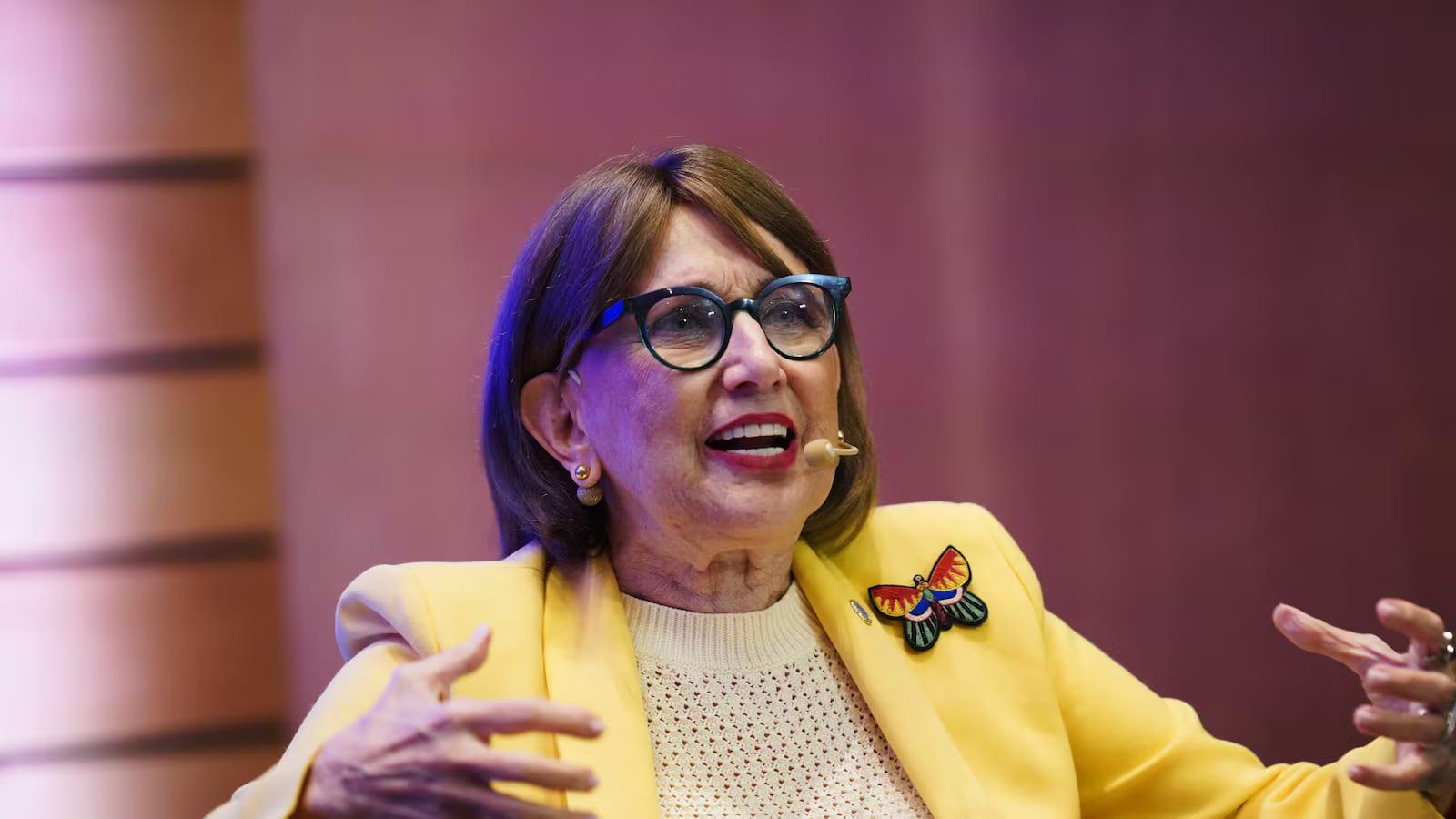
The imprisoned mayor of Ecuador's most populous city and main commercial port, Aquiles Alvarez, refused surgery on Wednesday, according to Interior Minister John Reimberg. Alvarez, who is a vocal critic of right-wing President Daniel Noboa, is currently in prison following a February arrest on charges of alleged money laundering.
Health Concerns and Political Tensions
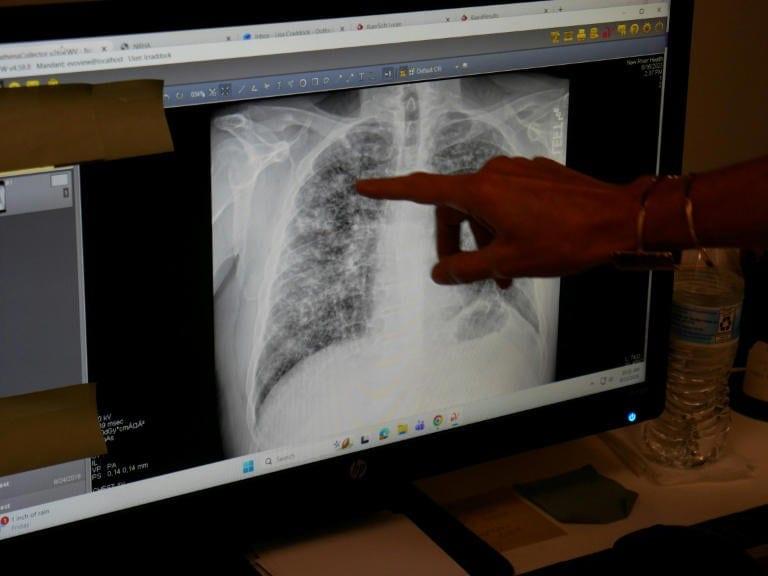
Alvarez was flown by helicopter to a private clinic for testing but rejected the treatment and gallbladder surgery, as stated by Reimberg. A lawyer for the mayor, Julio Cesar Cueva, confirmed that the decision to undergo surgery had been made but would not take place immediately. Alvarez, an ally of opposition socialist ex-president Rafael Correa, has been a vocal critic of Noboa's policies, particularly his war on gangs and decision to deploy soldiers to the streets.
Background and Allegations
Alvarez, who denies all allegations against him, argues that the charges are an attempt to disqualify him from running for reelection next year. He was previously fitted with an electronic ankle monitor in July of last year while being investigated for alleged fuel trafficking. The mayor's arrest is part of a broader crackdown on corruption, with five mayors from different Ecuadoran cities arrested ahead of the November local elections.
Significance and Implications
The refusal of medical treatment by Alvarez amidst his imprisonment highlights the complex interplay between politics and health care in Ecuador. Human rights groups and relatives of inmates have raised concerns about the management of the country's prison system. The situation underscores the challenges faced by political figures who find themselves entangled in legal battles while navigating a polarized political landscape.
What Happens Next
With Alvarez back in El Encuentro prison, a mega-security facility in neighboring Santa Elena province, the focus now shifts to his ongoing legal battles and potential political future. The broader implications for Ecuador's political climate and the management of its prison system remain significant, especially as the country prepares for local elections in November.