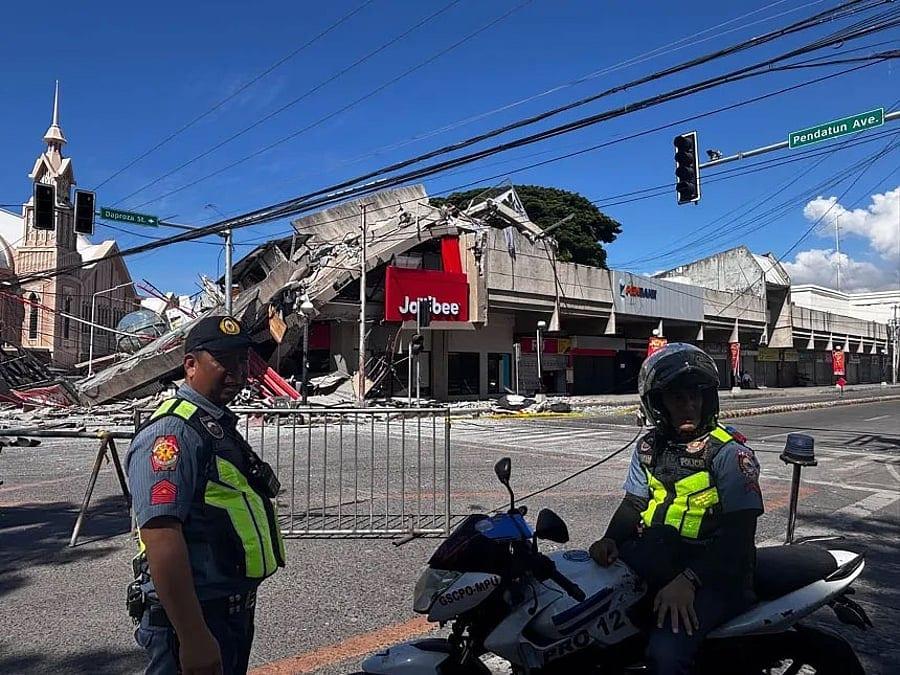
A powerful 7.8 magnitude earthquake struck the Mindanao region in the southern Philippines on Monday, resulting in at least 19 deaths and over 200 injuries. The United States Geological Survey (USGS) reported that the earthquake occurred at 7:37 AM local time, with its epicenter approximately 35 kilometers (21.7 miles) below the Earth's surface. The quake caused widespread panic and triggered emergency sirens across the island nation. Multiple buildings collapsed, and significant damage was reported in General Santos City, where around 720,000 people reside. The Philippine government has initiated rescue operations and urged residents to evacuate to higher ground due to the risk of tsunamis. This earthquake is one of the strongest to hit the Philippines in recent years, highlighting the country's vulnerability to seismic activity due to its location in the Pacific Ring of Fire.
Impact and Response
The earthquake caused widespread destruction, with numerous buildings collapsing and infrastructure damaged. In General Santos City, the local information office reported extensive damage, including collapsed shops and concrete roofs. Schools in the region, which had just started a new academic year, were also affected. Videos on social media showed students in Davao Occidental province and Davao del Sur scrambling for safety as the ground shook. President Ferdinand Marcos Jr. has directed immediate rescue efforts and urged residents to heed tsunami warnings and move to higher ground. The Pacific Tsunami Warning Center has indicated that while the main threat of a tsunami has passed, coastal areas should remain vigilant.