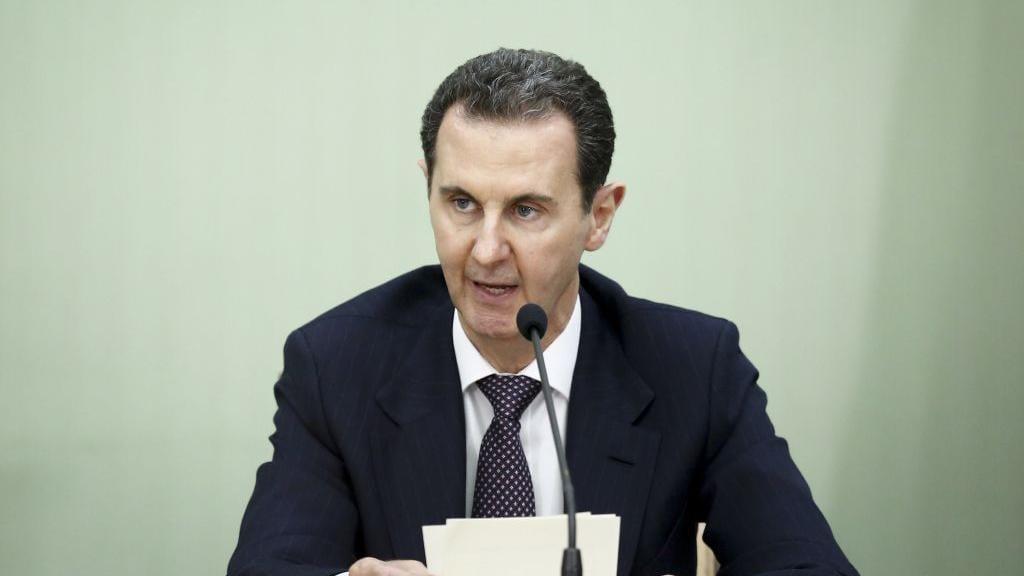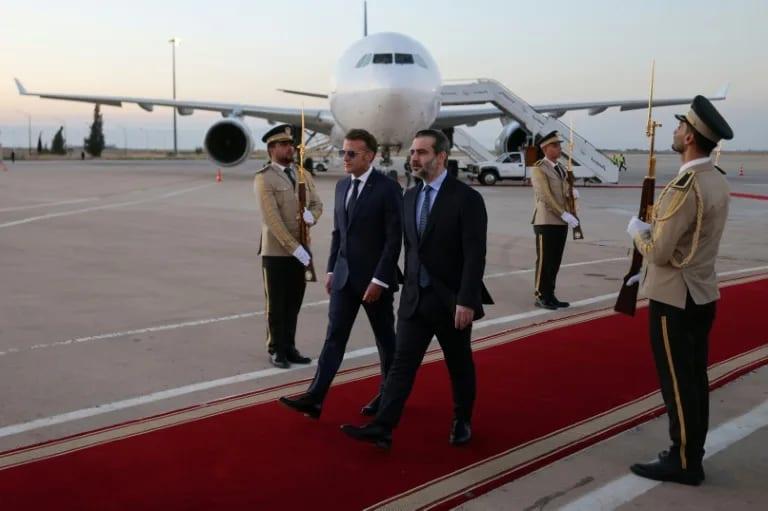
French President Emmanuel Macron arrived in Damascus on Monday, becoming the first Western European head of state to visit Syria since the new authorities took power in 2024. This historic visit signifies a significant step towards restoring Syria's international presence and re-establishing its role in the Middle East. Macron, who will depart on Tuesday, aims to advocate for 'a free, pluralist Syria that respects each of its components' and seeks to play a role in moderating regional tensions. Syrian Foreign Minister Asaad al-Shaibani welcomed Macron upon arrival.
Rebooting Syria's International Credentials
President Ahmed al-Sharaa has been working to reboot Syria's international credentials and revive the country's economy after the fall of longtime ruler Bashar al-Assad in December 2024. The last French president to visit Syria was Nicolas Sarkozy in 2009, before the brutal crackdown on pro-democracy protests in 2011 that led to a devastating civil war.
Security Challenges and Reconciliation
Despite efforts to reunify the country, Syria continues to face security challenges. A deadly bombing at a Damascus cafe last week underscores the ongoing instability. The new Islamist authorities are striving to bring peace and stability to a nation ravaged by over 13 years of conflict.
A New Phase in Syrian-French Relations
The Syrian state news agency SANA described Macron's visit as 'a pivotal step in the process of restoring Syria's international presence.' It added that with this visit, 'Syrian-French relations are entering a new phase based on mutual respect and a balanced partnership.' This marks a significant shift in diplomatic relations and could pave the way for further international engagement with Syria.
Why This Matters for Bangladesh
For Bangladesh, this visit highlights the changing dynamics in the Middle East and the potential for renewed diplomatic and economic ties with Syria. As a nation that values international cooperation and stability, Bangladesh stands to benefit from a more engaged and stable Syria, particularly in areas of trade, cultural exchange, and regional security.