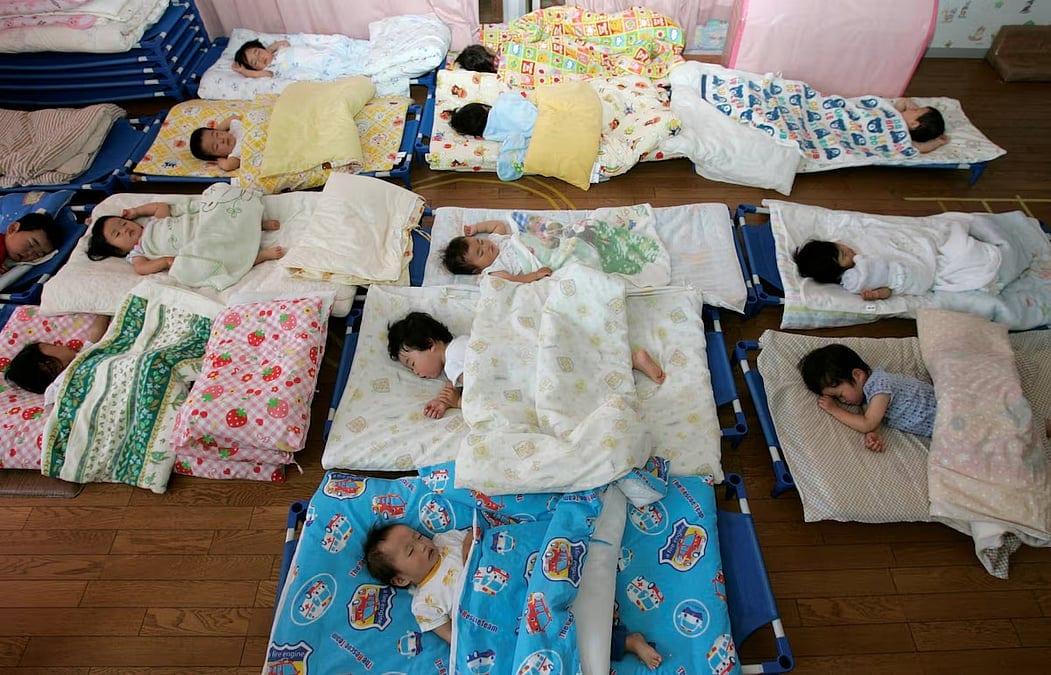
Japan's population has decreased by approximately 3.1 million over the past five years, marking the steepest decline in the country's history. The current population stands at 123,495,240, a 2.5% reduction from 2020. This decline has pushed Japan to the 12th most populous country globally. The birth rate has hit a record low, with only 671,236 children born in 2025, a decrease of 15,000 from the previous year. The fertility rate has fallen to 1.14, far below the 2.1 needed for population stability.
Causes and Consequences
Factors contributing to the decline include economic pressures, irregular employment, high education costs, and rising housing prices, which discourage young people from marrying and having children. Gender inequality and workplace culture also place the burden of child-rearing primarily on women, further impacting the birth rate. As a result, Japan is rapidly aging, with nearly 30% of the population currently over 65, projected to reach 40% by 2070. The average life expectancy has increased to 85 years, with nearly 100,000 centenarians.
Government Response
Prime Minister Sanae Takaichi has described the situation as a 'silent emergency,' promising to increase youth income and financial support for single parents. The government is promoting child allowances, maternity and paternity leave, and increasing automation, robotics, and AI in various sectors to address labor shortages. Efforts are also being made to keep those over 65 in the workforce and to employ foreigners in service, construction, and transportation industries. Despite these measures, public skepticism about the effectiveness of current policies is growing.