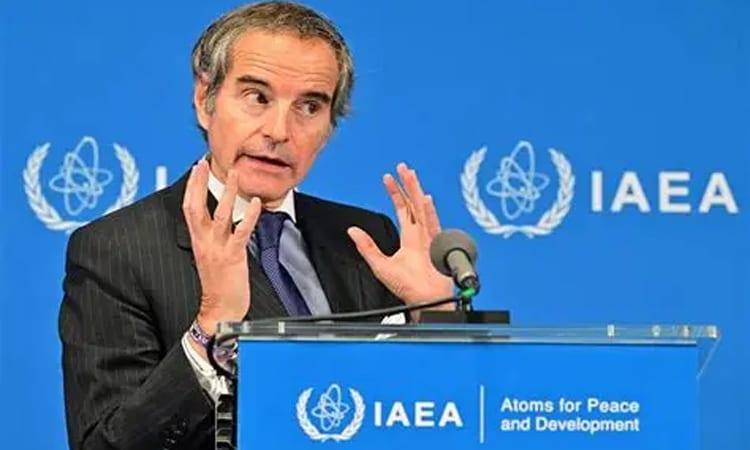
Rafael Grossi, the head of the International Atomic Energy Agency (IAEA), has called for a 'very strong' verification system in Iran to ensure the country does not develop nuclear weapons following the recent Middle East conflict. Speaking to reporters in Japan, Grossi highlighted the importance of this system despite Iran's declared intention not to pursue nuclear arms.
Strong Verification Needed
Grossi emphasized that while Iran's government has stated its intention not to develop nuclear weapons, intentions alone are not sufficient. He stressed the need for a robust and immediate verification system to monitor Iran's nuclear activities.
Post-Conflict Context
The call for strong verification comes in the aftermath of the Middle East conflict, which has heightened concerns over regional stability and the potential for nuclear proliferation. The recent agreement between the US and Iran aims to ensure that Iran does not pursue nuclear weapons.
IAEA's Role
The IAEA plays a crucial role in verifying that countries adhere to their commitments under the Nuclear Non-Proliferation Treaty (NPT). Grossi's remarks underscore the agency's commitment to maintaining global nuclear security.
International Implications
The situation in Iran has significant international implications, as any development of nuclear weapons in the region could lead to further instability and conflict. The international community is closely watching Iran's nuclear activities to ensure compliance with non-proliferation agreements.