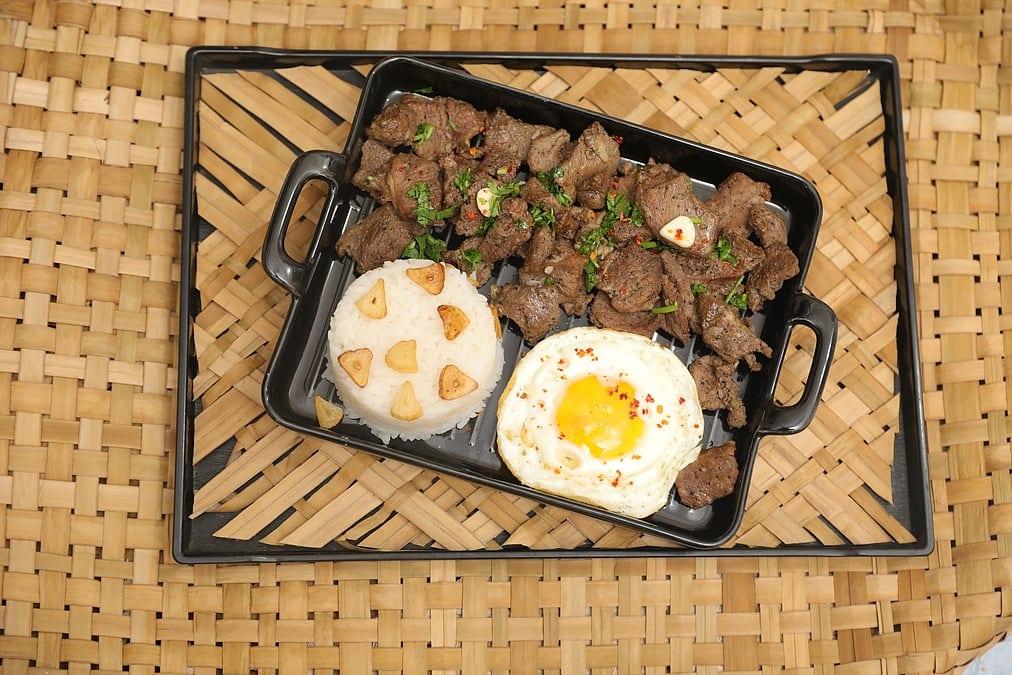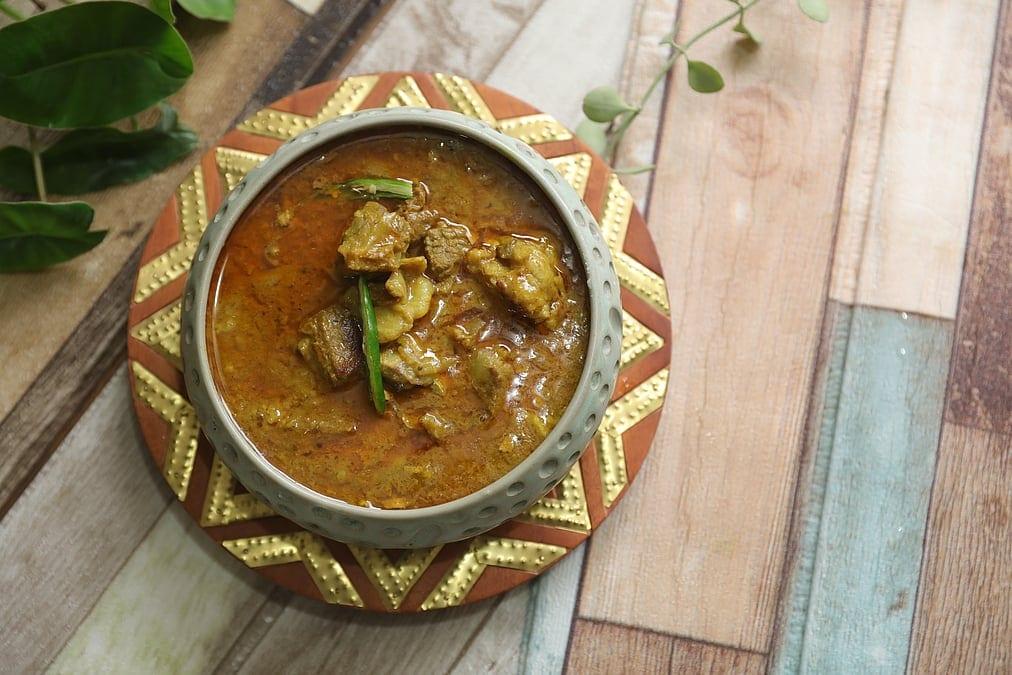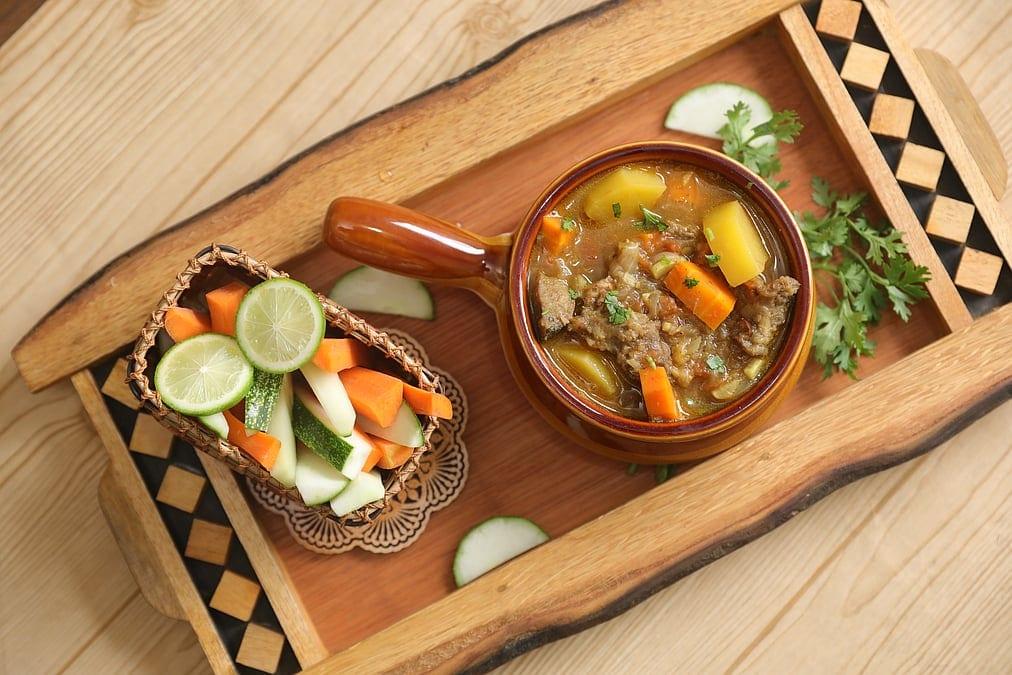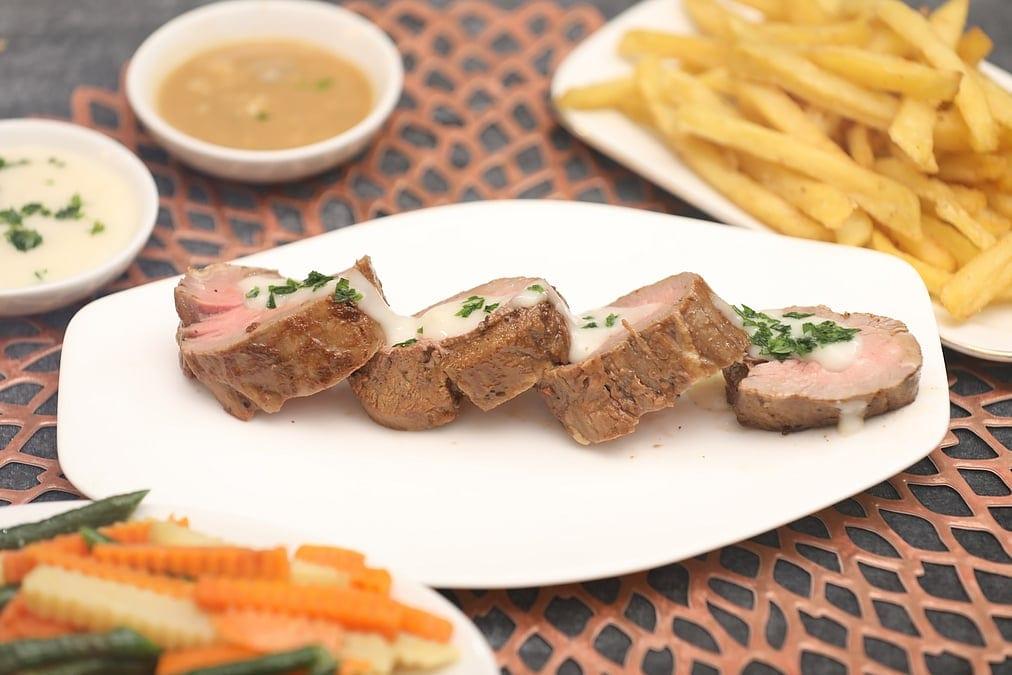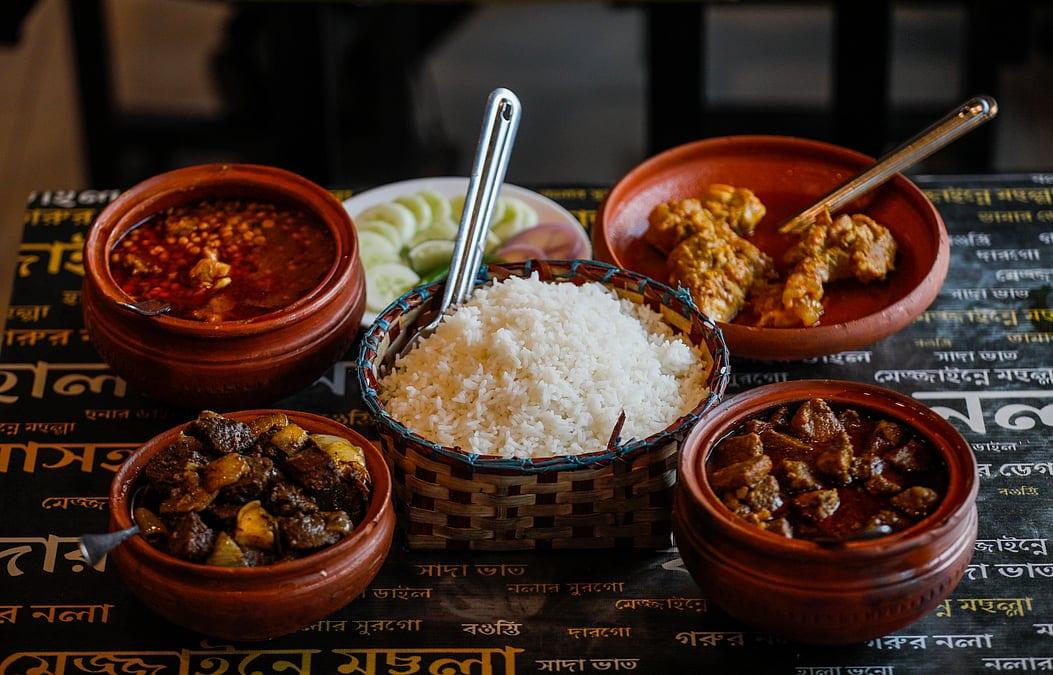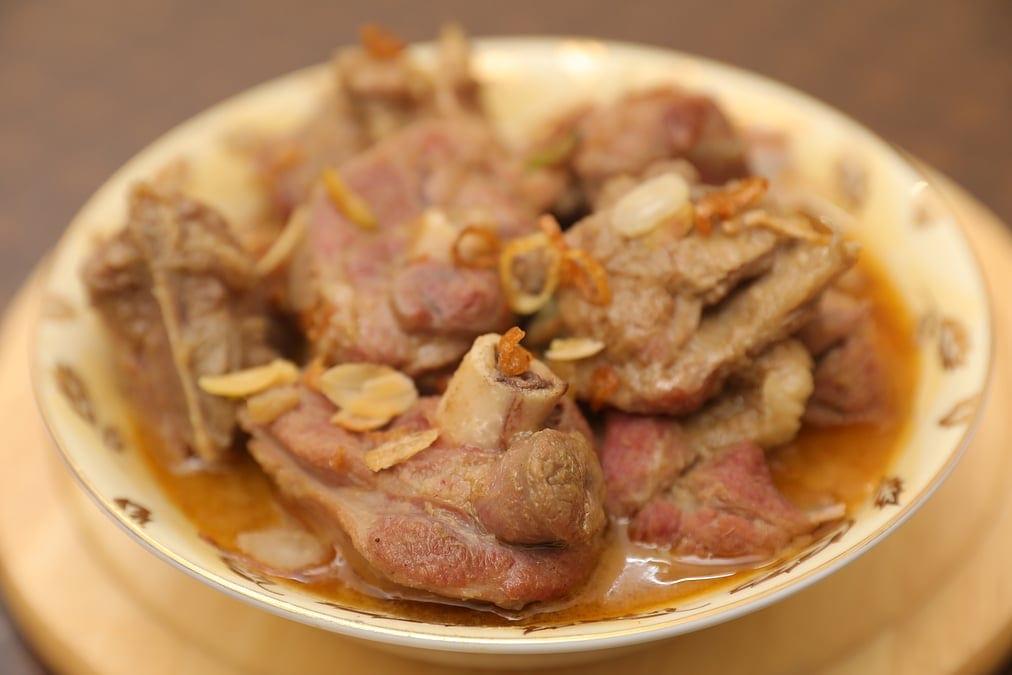
Red meat, rich in protein, iron, and essential nutrients, is beneficial for young adults. However, as one ages, the saturated fat in red meat can increase the risk of heart disease, stroke, and fatty liver. Therefore, it is advisable to reduce red meat intake after the age of 30, especially for those with a family history of heart disease or existing health conditions. Opt for leaner meats, fish, and plant-based proteins instead.
Benefits and Risks of Red Meat
Red meat is a good source of high-quality protein, iron, zinc, and vitamin B-12, which are crucial for muscle growth, blood formation, and overall health. However, its high saturated fat content can lead to increased bad cholesterol levels, raising the risk of cardiovascular diseases.
Age-Related Changes in Diet
As we age, our metabolism slows down, and physical activity decreases, making it harder to manage excess calories and fat. This is why limiting red meat intake becomes important after the age of 30.
Practical Tips for Reducing Red Meat
Instead of completely eliminating red meat, reduce its portion size and frequency. Choose lean cuts, trim excess fat, and cook using healthier methods like grilling or baking. Incorporate more fish, poultry, legumes, and vegetables into your diet.