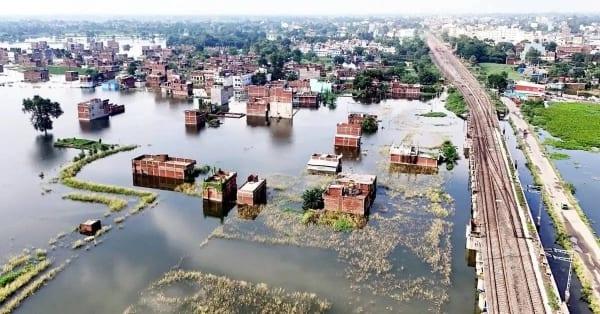
Dengue fever, once considered a seasonal issue primarily affecting Dhaka, has spread across districts, sub-districts, and even rural areas in Bangladesh. Factors such as climate change, unregulated urbanization, poor waste management, stagnant water, and lack of public awareness have made dengue a formidable threat. In 2023, over 321,000 people were infected, and 1,705 died—the highest in the country's history. In 2024, more than 100,000 cases and over 500 deaths were reported. The situation remains uncontrolled in 2025, with dengue becoming a year-round concern.
Understanding Dengue
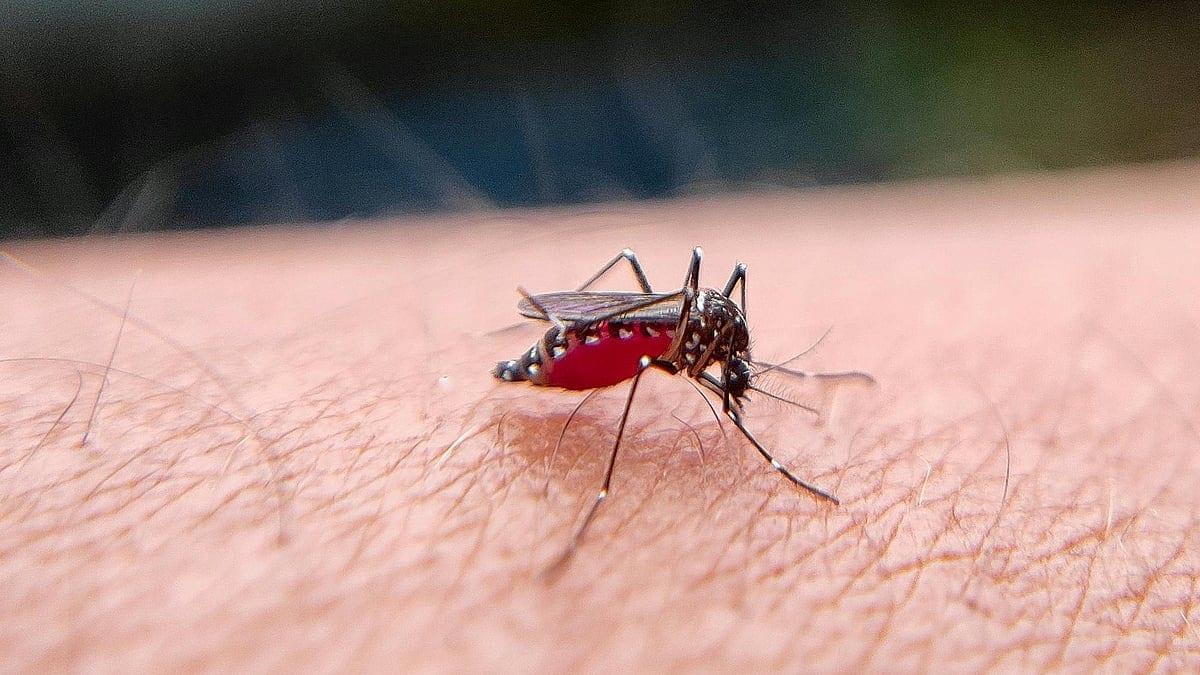
Dengue is a viral infection transmitted by the Aedes mosquito. Symptoms include fever, headache, pain behind the eyes, severe body and joint pain, nausea, and skin rashes. Without timely treatment, it can progress to dengue hemorrhagic fever or dengue shock syndrome, which can be fatal.
Prevention is Key
There is no specific medication for dengue, making prevention crucial. Eliminating mosquito breeding sites, maintaining cleanliness, using mosquito nets, applying repellents, wearing protective clothing, and community-level cleanliness campaigns are essential.
Immediate Medical Attention
If infected, rest, hydration, and prompt medical consultation are necessary. Patients should focus on overall physical condition, blood pressure, blood density, and warning signs rather than platelet count alone.
A Collective Responsibility
Combating dengue requires a united effort from citizens, families, local administrations, healthcare workers, educational institutions, and the media.