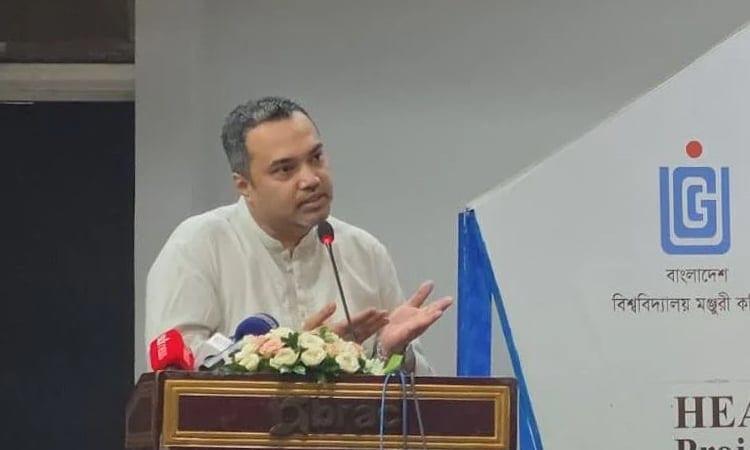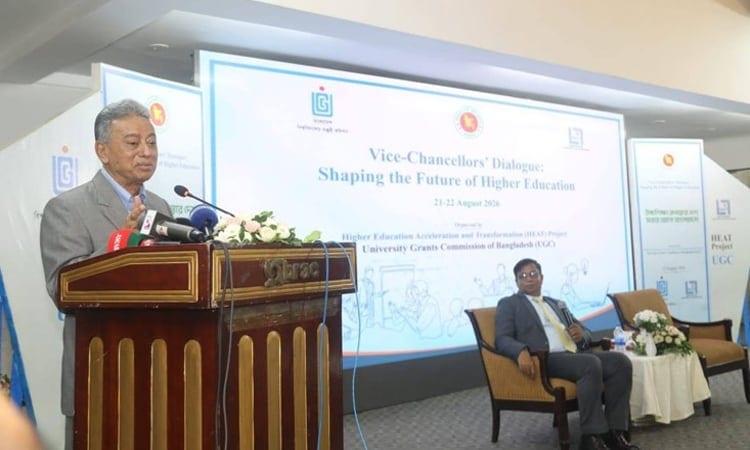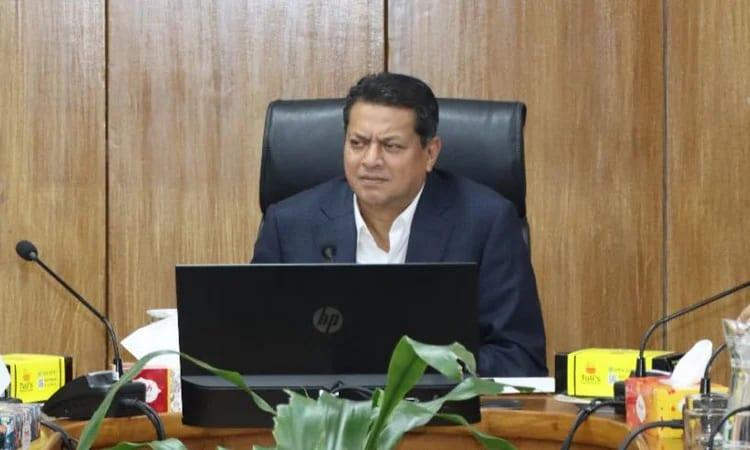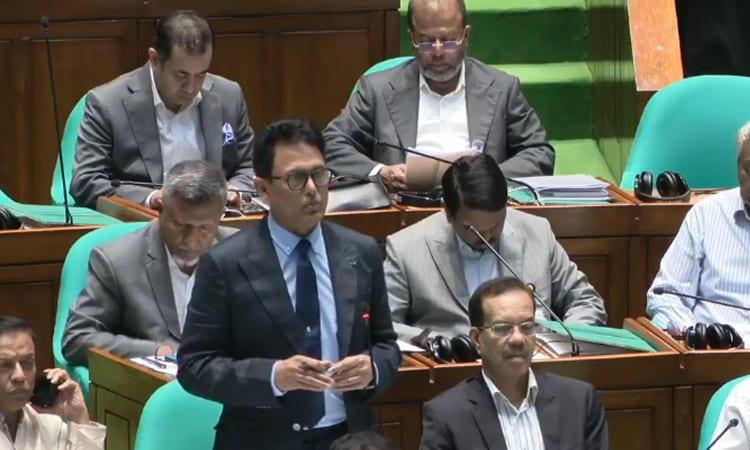
Education Minister Dr. A N M Ehsanul Hoque Milon announced today that the government is actively working to expand mother tongue-based education for indigenous communities, alongside measures to recruit and train local teachers. He made these remarks in response to a call attention notice raised by Anna Minj, a treasury bench member in the Jatiya Sangsad. The minister highlighted that pre-primary and primary level textbooks are being developed and distributed in five indigenous languages—Chakma, Marma, Tripura, Garo and Santal. The National Academy for Primary Education (NAPE) has incorporated instruction in these mother tongues into the weekly class routine of primary schools. Additionally, 450 teachers are being trained in teaching through indigenous languages in 15 batches at five Primary Teachers’ Training Institutes (PTIs).
Dr. Milon noted that during the tenure of Shaheed President Ziaur Rahman, various initiatives were taken to promote the education and culture of indigenous communities. Later, during the government of Prime Minister Begum Khaleda Zia in 2002, the International Mother Language Institute was established to preserve indigenous languages, including 30 endangered languages. The minister also mentioned that the National Curriculum and Textbook Board (NCTB) is publishing 37 new textbooks this year in the same five mother tongues. The government has decided to expand Multilingual Education (MLE) to other indigenous languages beyond Chakma, Garo, Marma, Tripura and Santal.
Addressing the shortage of teachers proficient in indigenous languages, the minister said the government is committed to ensuring the constitutional rights of indigenous communities by providing mother tongue-based education, textbooks and other facilities available at government primary schools. He added that the shortage of teachers in the Chattogram Hill Tracts remains a major challenge, and the government has taken initiatives to recruit teachers locally and provide them with the necessary training to improve the quality of education.
Indigenous communities are an integral part of Bangladesh, and the government’s efforts to promote mother tongue-based education underscore its commitment to preserving cultural heritage and ensuring educational equity for all citizens.