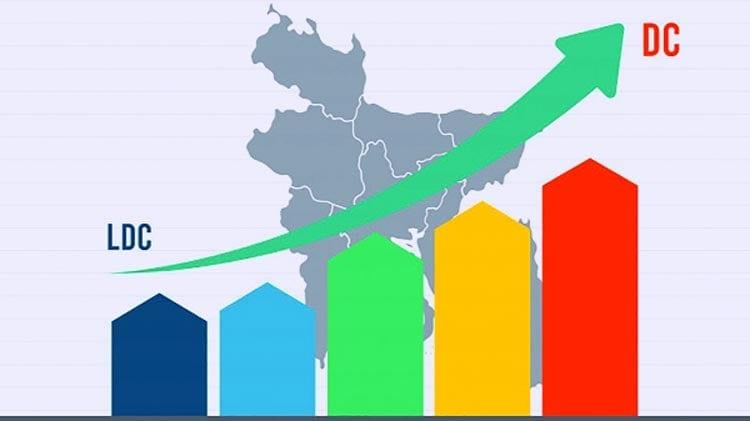
Bangladesh is set to implement a comprehensive five-year action plan to strengthen its trade capacity and enhance competitiveness in global markets as it prepares for graduation from the Least Developed Country (LDC) category. The initiative will be executed through the Country Programme Document (CPD) prepared for the third phase of the Enhanced Integrated Framework (EIF), a World Trade Organization (WTO)-led programme that supports LDCs in building trade capacity.
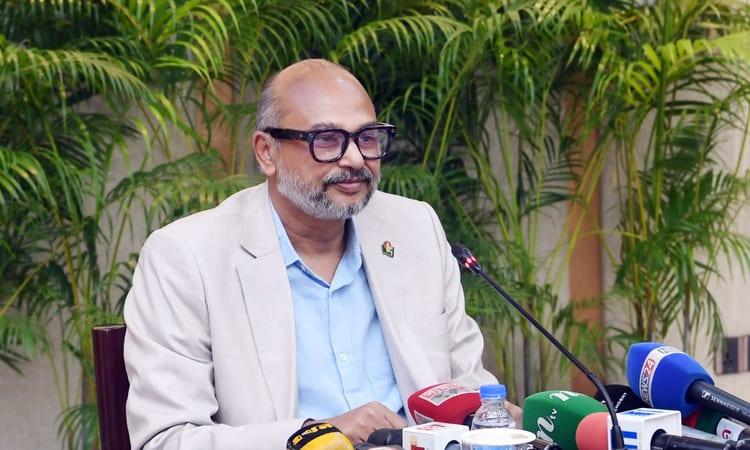
Commerce Secretary Ataur Rahman Khan announced the plan during a validation workshop on the CPD at the Ministry of Commerce in Dhaka. He highlighted that Bangladesh's economy is facing critical challenges as it prepares for LDC graduation, including non-tariff barriers, international compliance requirements, and the need to improve the investment environment.
The CPD outlines 12 priority activities aligned with Bangladesh's trade capacity development and reform agenda. These activities focus on export capacity development, trade facilitation, improvement of the investment climate, institutional capacity building, training, research, and the application of artificial intelligence (AI) in trade-related activities.
Khan emphasized that effective implementation of the reforms would be crucial for success. He stressed the importance of trade facilitation, trade liberalization, legal and regulatory reforms, and stronger coordination among ministries to improve Bangladesh's overall business environment.
Additional Secretary (WTO) of the Ministry of Commerce Khadiza Nazneen noted that the WTO's Enhanced Integrated Framework supports LDCs with financial assistance from development partners, including the United Kingdom, the European Union, and Sweden. She mentioned that Bangladesh had successfully implemented two phases of the EIF programme and is now set to begin the third phase.
Former Additional Secretary and EIF Consultant Md Hafizur Rahman explained that the CPD was prepared by incorporating recommendations from Bangladesh's existing policies, strategies, and previous studies. He added that the selected activities were identified based on the Diagnostic Trade Integration Study (DTIS), the Export Policy, Industrial Policy, Trade Policy, the WTO Trade Facilitation Agreement, and investment facilitation initiatives.
Participants at the workshop expressed optimism that the successful implementation of the third phase of the EIF programme would help Bangladesh maintain its competitiveness in international trade and attract new investment after its graduation from the LDC category.