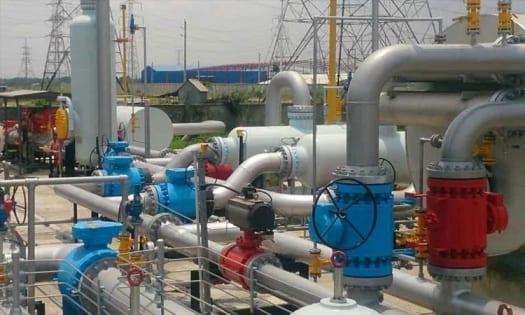
The popularity of Liquefied Petroleum Gas (LPG) as an eco-friendly cooking fuel has grown significantly in recent years. With prices within reach, the demand for LPG increased by over 20 percent annually. However, the rising cost of LPG cylinders, now almost double, is causing a decline in demand. Industry experts suggest that controlling prices could further boost the LPG market.
Today marks World LPG Day, with the theme 'LPG: Pass It Forward', aiming to promote this eco-friendly fuel to future generations. To achieve this, the overall cost of LPG needs to be reduced. The LPG Business Association (LOBA) has proposed reducing tariffs in the upcoming budget to make LPG more affordable. They argue that the current double taxation on LPG cylinders increases costs for consumers.
LPG consumption in Bangladesh has seen substantial growth, particularly after the ban on new gas connections in 2015. LOBA reports that the sector grew by 100 percent in 2016 and 123 percent in 2017, driven by lower global prices and increased competition. However, the Russia-Ukraine war has led to a sharp increase in LPG prices, making it less affordable for many households.
Approximately 80 percent of LPG in Bangladesh is used for household cooking, primarily in 12 kg cylinders. The price of these cylinders has more than doubled since 2020, leading many to switch to electric cooking, which puts additional strain on the electricity grid. Despite the challenges, industry stakeholders see potential for further expansion, especially as urbanization increases and more households adopt LPG for cooking.
LOBA reports that 56 companies hold LPG business licenses in Bangladesh, with 16 actively importing LPG. Major companies like Meghna Fresh, Omera, United AiGas, Jamuna, BM, Petromax, Delta, and JMI dominate the market. These businesses call for government support to reduce prices and increase LPG usage, emphasizing that higher prices naturally reduce consumer interest.