The United States has vowed to hold Iran accountable following attacks by Tehran's Houthi allies on Saudi oil tankers, sparking international alarm and driving up oil prices. President Donald Trump warned both Iran and the Houthis would soon face "major military punishment" for their actions. The strikes have sent the international oil benchmark Brent crude surging past $100 a barrel, prompting warnings from European leaders and United Nations Secretary-General Antonio Guterres about the escalating crisis.
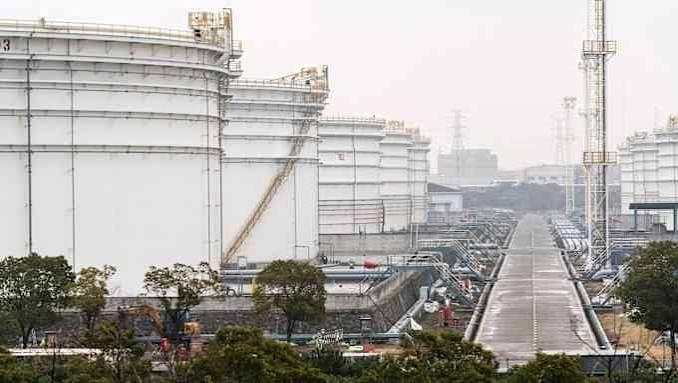
The Houthis, who joined the conflict this week, declared a blockade of Saudi ports and claimed responsibility for attacks on two Saudi tankers in the Red Sea. The new threat in the Red Sea, compounded by the closure of the Strait of Hormuz, endangers Riyadh's ability to export oil. Iran's Revolutionary Guards have stopped oil tankers from transiting Hormuz, intensifying the conflict over a route through which around one fifth of the world's oil once passed.
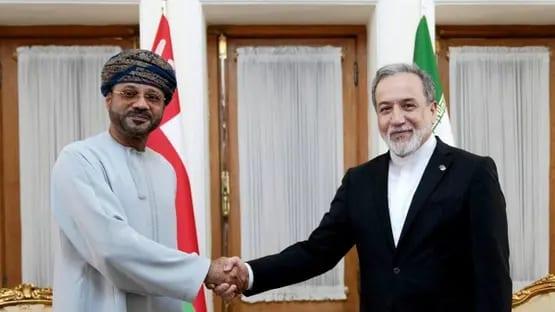
US Secretary of State Marco Rubio accused Iran of "suckering" the Houthis into attacking Red Sea shipping. Oman, a key mediator, expressed "great concern" and said it was working to resume talks between the Houthis and Saudi Arabia. The European Central Bank President Christine Lagarde warned that the energy shock could intensify further and push up inflation, feeding speculation about a September eurozone interest rate hike.
German Defence Minister Boris Pistorius warned of "dire consequences" for oil-importing economies, noting that "nothing -- absolutely nothing -- suggests that a ceasefire, let alone peace, could be reached". The war resumed this month after a short-lived ceasefire, throwing the region back into chaos as Iran and the United States battle for control of the Strait of Hormuz. Iran's army spokesperson Mohammad Akraminia vowed retaliatory attacks would continue as long as US strikes on the country's infrastructure and coastal areas continued.
The escalating tensions have significant implications for global oil markets and regional stability. For Bangladesh, which relies heavily on oil imports, the situation underscores the vulnerability of the country to global energy shocks and the importance of diversifying energy sources and strengthening economic resilience.