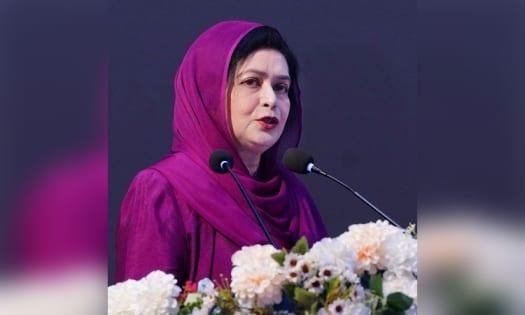
US Secretary of State Marco Rubio began a tour of the Gulf countries most affected by the Middle East war with a meeting in Abu Dhabi on Wednesday with UAE President Mohamed bin Zayed. Rubio's visit, which will also take him to Kuwait and Bahrain, is seen as a gesture of solidarity with the three nations, which were targeted by thousands of Iranian drones and missiles during the conflict.
Solidarity and Reassurance
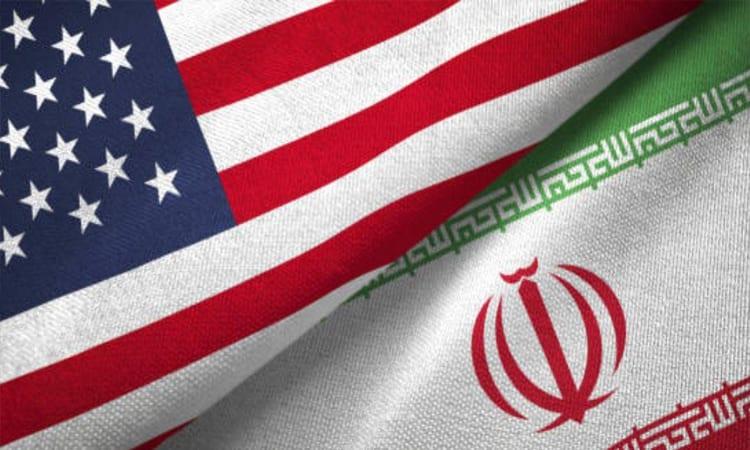
The trip aims to reassure Gulf leaders about the recent US-Iran memorandum of understanding, which experts say fell short of their expectations. Rubio intends to discuss the memorandum with Gulf leaders, though it does not address Iran's missile program and proxies—two long-standing concerns for the region.
International Law and the Strait of Hormuz
Upon arrival in Abu Dhabi, Rubio emphasized that no country is allowed to impose tolls on the Strait of Hormuz, a critical exit route for Gulf oil and gas. This statement comes after Oman and Iran, which border the waterway, considered charging "costs" for navigation.
"It's an international waterway. No country is allowed to charge tolls or fees on an international waterway. That's existing international law," Rubio asserted.
Gulf Concerns and US Reliability
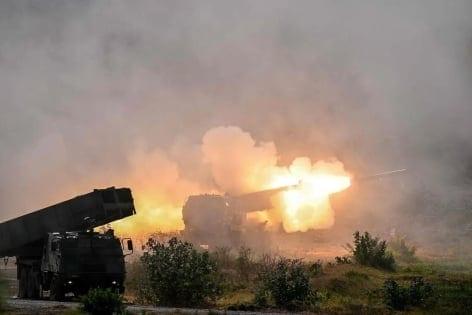
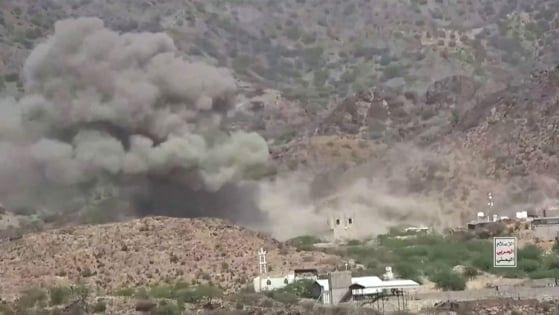
The energy-rich Gulf, home to several American military bases, bore the brunt of Iran's retaliatory attacks for US-Israeli strikes that sparked the war on February 28. The UAE, targeted by more than 2,800 missiles and drones, has repeatedly called for dealing with Iran's missile program and proxies. Regional leaders have long maintained close ties with President Donald Trump and have pledged to invest billions in the US economy. However, experts note that they have grown wary of an unreliable US partner that left them exposed during Iran's attacks.
Upcoming Gulf Cooperation Council Meeting
Rubio is scheduled to attend a Gulf Cooperation Council meeting in Bahrain on Thursday, where further discussions on regional security and the US-Iran memorandum are expected.