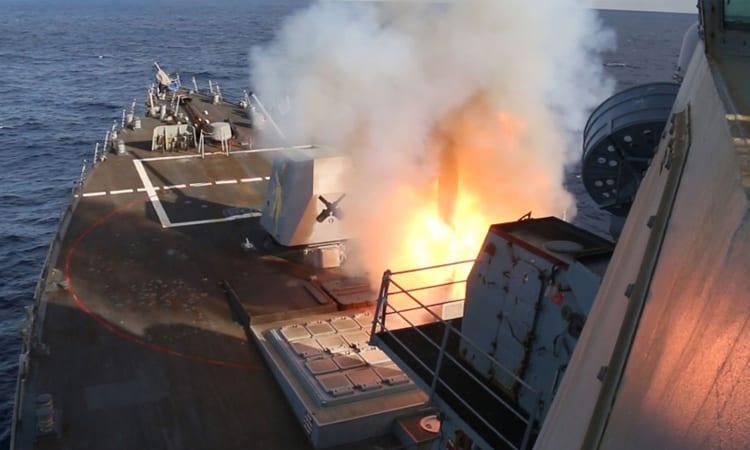
The US military has launched a new round of strikes against Iran after Tehran 'blatantly attacked' a container ship in the Strait of Hormuz. The latest strikes, which began at 7:15 pm in Washington (2315 GMT), followed an attack by Islamic Revolutionary Guard Corps forces on a Cyprus-flagged container ship transiting the strait, according to US Central Command.
US Response and Iranian Reaction
US Central Command stated that the United States is imposing a heavy cost by continuing to degrade Iran's ability to attack civilian mariners and commercial ships freely transiting the strait. The strikes were carried out at the direction of President Donald Trump. US defense secretary Pete Hegseth commented, 'Iran made a poor choice. Now they pay.'
Meanwhile, Iran's Revolutionary Guards announced that the Strait of Hormuz would be closed 'until further notice,' according to state media reports. The Guards had fired warning shots at a vessel using an unauthorized route.
Impact on Negotiations and Regional Stability
The move threatens to further complicate efforts to salvage US-Iran negotiations after both sides exchanged strikes over the past few days. A key roadblock to a final agreement is the future of the Strait of Hormuz, with Tehran insisting it will control shipping through the waterway and Washington demanding unrestricted navigation.
Significance for Bangladesh
The escalating tensions between the US and Iran have significant implications for Bangladesh, particularly concerning regional stability and potential impacts on global trade routes. The Strait of Hormuz is a critical chokepoint for oil shipments, and any disruption can affect global oil prices, which in turn can impact Bangladesh's economy. Additionally, the instability in the region may influence geopolitical dynamics in South Asia.