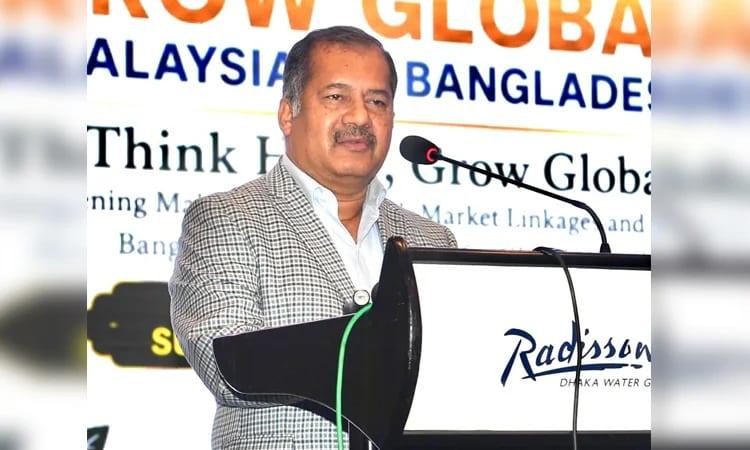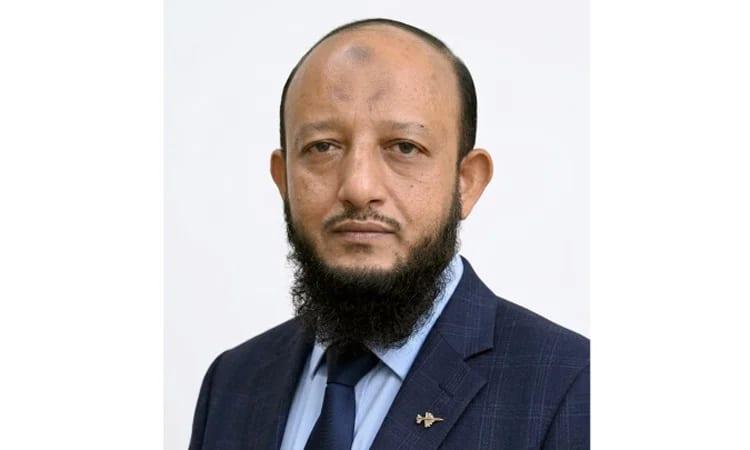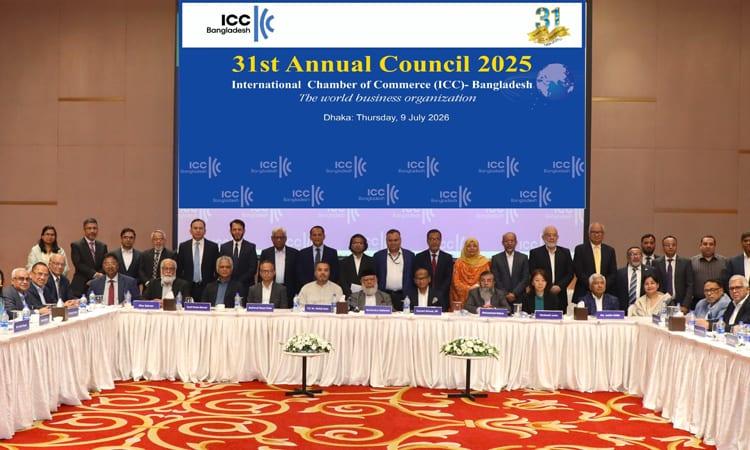
Bangladesh needs to speed up structural reforms, strengthen macroeconomic stability and deepen public-private collaboration to sustain growth and remain competitive after graduating from the Least Developed Country (LDC) category, ICC Bangladesh President Mahbubur Rahman said today. Speaking at the 31st Annual Council of the International Chamber of Commerce- Bangladesh (ICCB) at a hotel in the city, Rahman said the country is at a defining stage of its economic journey, requiring bold and timely policy measures to address mounting domestic and external challenges while capitalizing on emerging opportunities, said a press release.
Economic Growth and Challenges
Rahman noted that Bangladesh's economy grew by around 3.7 percent in 2025 amid weaker industrial activity, tighter macroeconomic policies, energy shortages and subdued private investment. However, resilient exports and record remittance inflows of US$32.8 billion helped support the external sector and domestic demand, while agriculture and services continued to underpin economic stability.
Future Growth Projections
Citing IMF projections, Rahman said Bangladesh's economy is expected to expand by about 4.7 percent in 2026, with stronger medium-term growth possible if macroeconomic stability is maintained and structural reforms continue. He identified the country's strategic location, expanding infrastructure, large domestic market and entrepreneurial base as key strengths, alongside emerging sectors such as the blue economy, renewable energy, green infrastructure, the digital economy and tourism.
Key Reforms and Initiatives
To unlock this potential, Rahman stressed the need to curb inflation, strengthen the banking and financial sector, ensure long-term energy security, mobilize domestic revenue, improve debt management and restore private-sector confidence. He also urged Bangladesh to conclude Economic Partnership Agreements (EPAs) and Free Trade Agreements (FTAs) to preserve export competitiveness after LDC graduation.
Infrastructure and Global Challenges
Highlighting infrastructure as a catalyst for growth, he proposed constructing a modern elevated expressway between Dhaka and Chattogram, describing it as a transformative project that could improve logistics efficiency, reduce transport costs, boost exports and attract greater domestic and foreign investment. He also called on the Asian Development Bank (ADB) to support the initiative through financing and technical assistance. Rahman warned that geopolitical tensions, supply-chain disruptions, rising protectionism and policy uncertainty continue to weigh on global trade and investment, reinforcing the need for Bangladesh to diversify exports and build resilience against external shocks.
Conclusion and Confidence
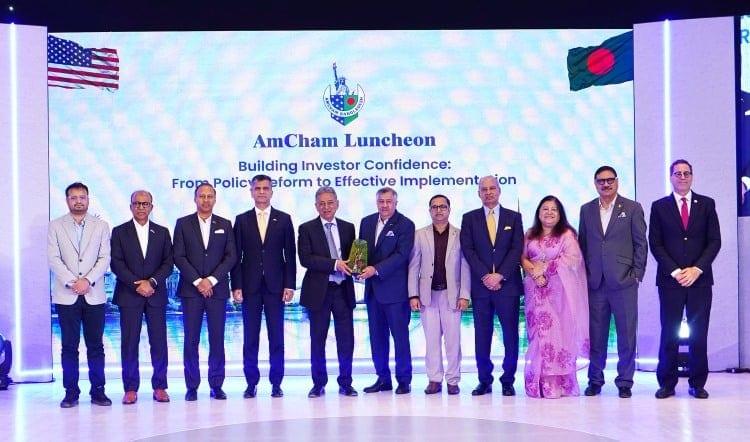
He expressed confidence that prudent macroeconomic management, stronger institutions, improved governance and closer government-private sector collaboration would enable Bangladesh to overcome current challenges and emerge as one of Asia's leading economic success stories. The ICCB annual council was attended by senior government representatives, diplomats, development partners, business leaders and executives from leading financial institutions and corporate organizations.