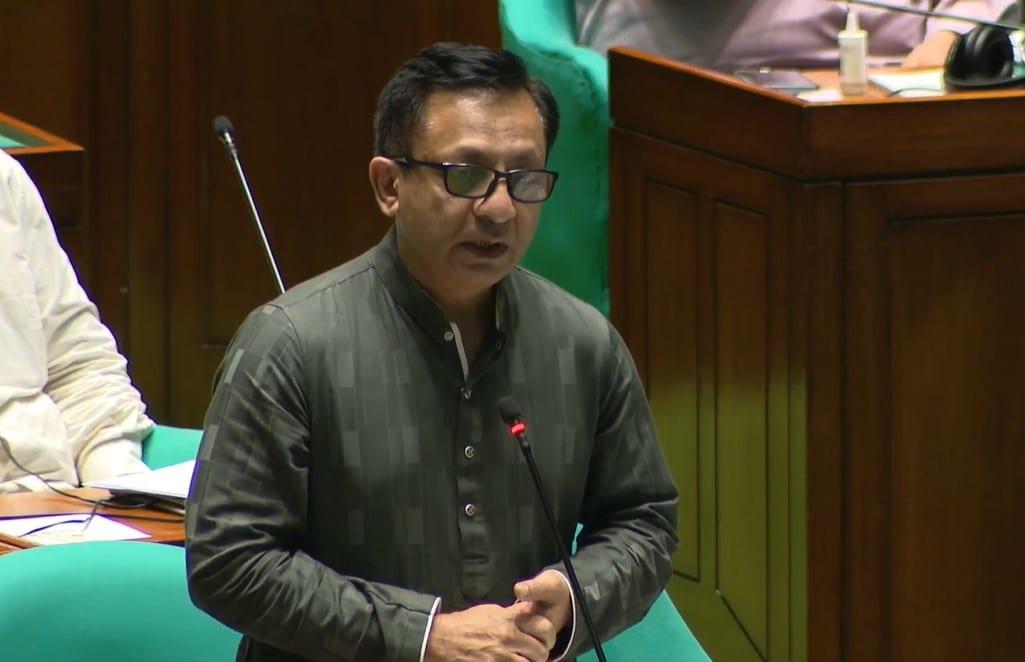
The government is actively pursuing Preferential Trade Agreements (PTAs) and Comprehensive Economic Partnership Agreements (CEPAs) with SAARC countries to enhance bilateral trade, Commerce Minister Khandakar Abdul Muktadir informed parliament today. These initiatives aim to reduce Bangladesh’s trade deficit and strengthen regional economic cooperation by removing non-tariff barriers, reducing sensitive lists, and lowering tariffs.
Removing Barriers and Reducing Tariffs
Muktadir highlighted that the government is working to eliminate existing non-tariff barriers to Bangladesh’s exports in SAARC markets. Efforts are also underway to reduce sensitive lists and lower tariffs to facilitate smoother trade. Regular meetings at the commerce secretary and working group levels are being held with different SAARC countries to expand bilateral trade and resolve trade-related issues.
Bilateral Trade Agreements
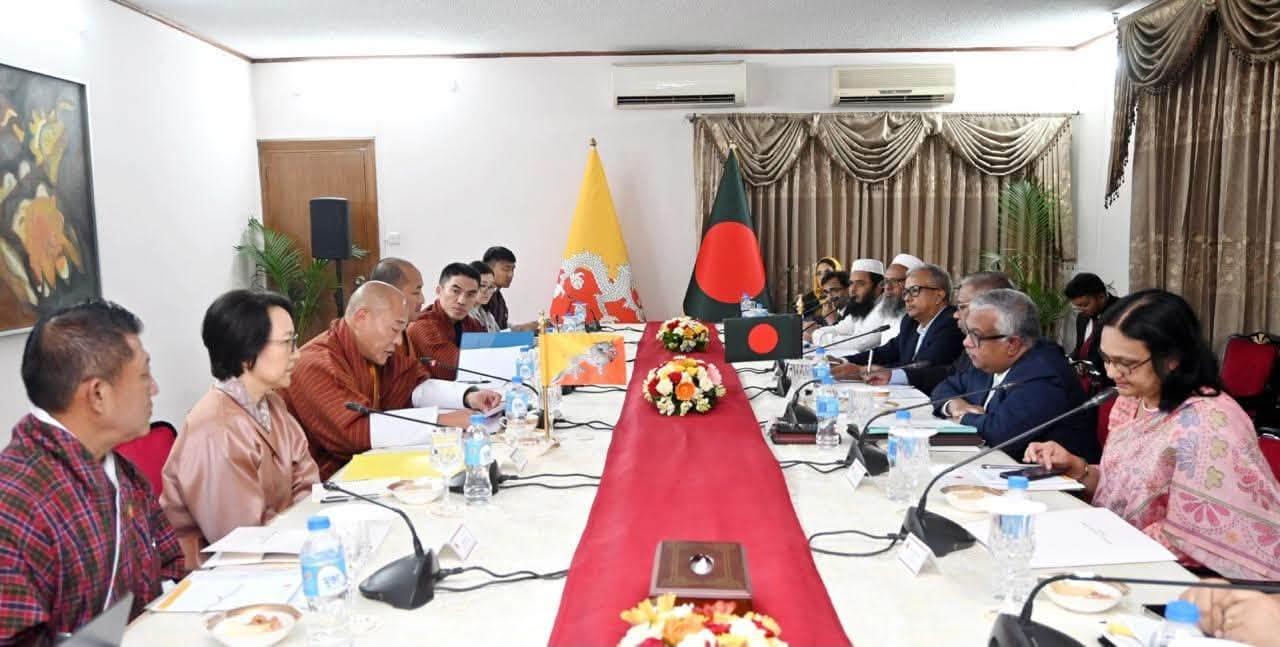
Bangladesh has taken steps to conclude PTAs, FTAs, and CEPAs with SAARC member states. For instance, the 10th Commerce Secretary-level meeting with Bhutan was hosted in Dhaka on March 9-10 this year to enhance bilateral trade cooperation. The first meeting of the Joint Trade Committee under the Bangladesh-Bhutan Preferential Trade Agreement is scheduled to be held in Dhaka soon to facilitate effective implementation of the agreement.
Trade Relations with India
Regarding India, Muktadir noted that Bangladesh enjoys duty-free market access for least developed countries under the SAFTA and APTA frameworks. Both countries agreed in 2018 to conduct a feasibility study for signing a Comprehensive Economic Partnership Agreement (CEPA). Following the recommendations of the joint feasibility study, the Bangladesh-India summit on September 6, 2022, decided to launch CEPA negotiations. As part of this process, both sides exchanged trade data on February 20, 2024, to facilitate formal negotiations.
Progress with Other SAARC Countries
Bangladesh and Sri Lanka have completed three rounds of negotiations on a Preferential Trade Agreement (PTA) and exchanged request lists. Preparations are underway for the fourth meeting of the Trade Negotiating Committee (TNC), where the Margin of Preference (MoP) and offer lists are expected to be finalised. Similarly, Bangladesh and Nepal have completed three rounds of PTA negotiations, with plans for the fourth round in progress.
Reducing Sensitive Lists
SAARC member countries have already reduced their sensitive lists by 20 percent in the second phase under the SAFTA process, effective from January 1, 2012. Efforts continue to further reduce these lists in the third phase. India has granted duty-free market access to all products from least developed SAARC countries, including Bangladesh, except tobacco and narcotic products, contributing to higher Bangladeshi exports to India and other SAARC markets.
Duty-Free Access
Under the Bangladesh-Bhutan Preferential Trade Agreement, 100 Bangladeshi products now enjoy duty-free access to the Bhutanese market, while 34 Bhutanese products receive duty-free access to the Bangladesh market. These measures are expected to boost trade volumes and economic cooperation between the two nations.