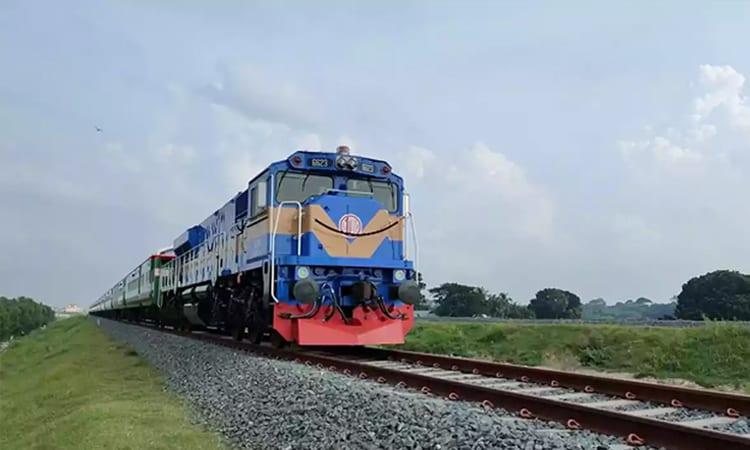
The government has announced a significant initiative to expand the national railway network, aiming to bring modern rail services to people's doorsteps. Under this plan, 10 districts that have long been deprived of railway services will be connected to the national rail network. This expansion will add 10 new districts to the existing 49, resulting in 59 out of 64 districts being directly connected by rail. The districts initially considered for new rail connections include Meherpur, Sherpur, Magura, Satkhira, Barishal, Barguna, Patuakhali, Jhalakathi, Pirojpur, and Lakshmipur.
Significance of the Expansion
The implementation of this initiative is expected to ease travel for millions of people in the southwestern, southern, and northern regions. It will also create positive impacts on agriculture, industry, tourism, fisheries, import-export activities, and regional trade. Transport experts highlight that railway transportation is more cost-effective, fuel-efficient, and safer compared to road transport. Additionally, rail transport is considered more environmentally friendly due to lower carbon emissions.
Government's Comprehensive Plan
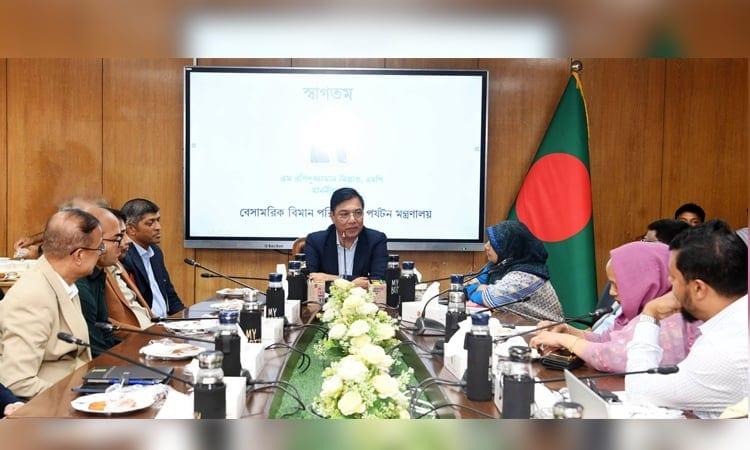
Road Transport and Bridges, Shipping and Railways Minister Shaikh Rabiul Alam stated that a recent meeting chaired by the Prime Minister discussed the expansion of railway connectivity in detail. The government's goal is to gradually bring all 64 districts under the railway network. New projects will focus not only on railway track construction but also on procuring necessary locomotives, passenger coaches, freight wagons, modern signaling systems, and manpower recruitment.
Current Railway Network and Future Projects
The total length of Bangladesh Railway's network is currently around 3,360 kilometers, including broad gauge, meter gauge, and dual gauge railway lines. Although 49 out of the country's 64 districts currently have railway connectivity, 15 districts are still outside the network. The government aims to connect every district with the national railway network gradually. Projects such as the Akhaura-Sylhet and Sirajganj-Bogra railway projects, Inland Container Depot (ICD) at Dhirashram, and the construction of dual gauge double lines on the Tongi-Akhaura and Laksham-Sylhet routes are part of this plan.
Modernization and Future Prospects
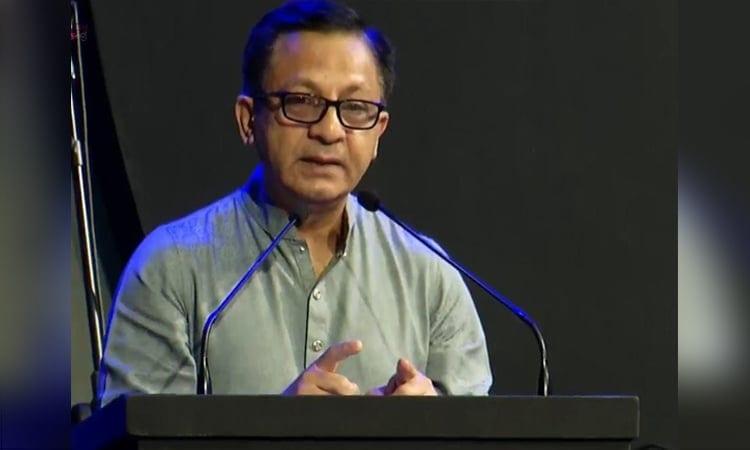
Railways state minister Habibur Rashid emphasized that the government is focusing on both constructing new railway lines and ensuring effective and quality services on those routes. The objective is to build a modern and reliable railway system where necessary trains, coaches, and locomotives will be available immediately after a railway line is opened. The government is also working on plans to expand commuter train services, modernize important stations, improve railway level crossings, construct new underpasses and overpasses, and gradually convert the railway network into broad gauge in the long term.
Expected Benefits and Regional Impact
The expansion of the railway network is expected to reduce regional disparities in the country's communication system, lower transport costs, and bring new momentum to agriculture, industry, tourism, and trade sectors. Establishing rail connections in Barishal, Barguna, Patuakhali, Jhalakathi, and Pirojpur will enhance communication with the capital and other parts of the country. Similarly, rail connectivity in Meherpur, Magura, and Satkhira will further strengthen the agriculture, industry, and economy of the southwestern region. Rail connectivity in Lakshmipur and Sherpur will create new opportunities for regional communication.