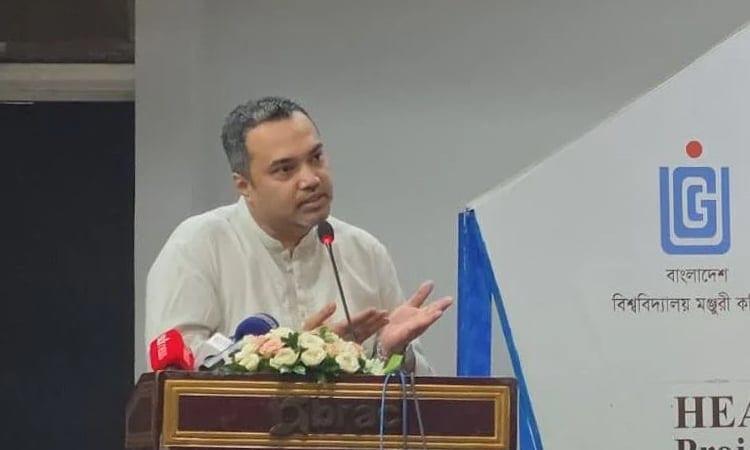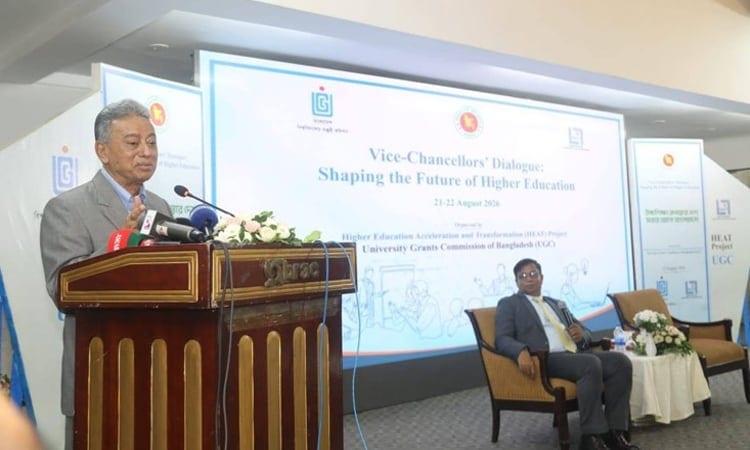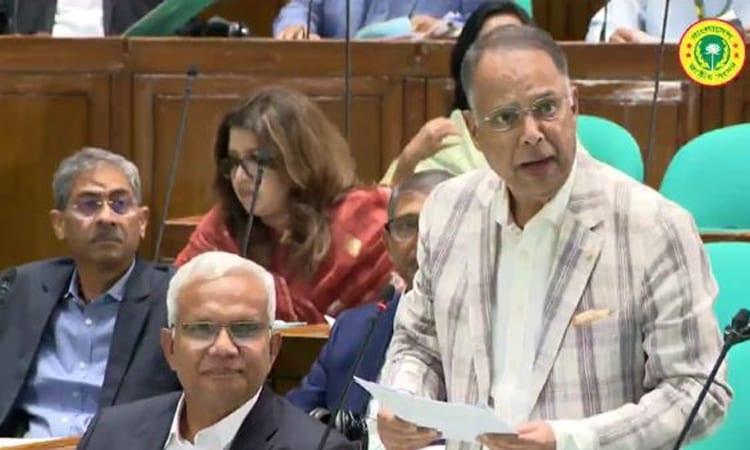
The government of Bangladesh has set a target to meet 20 percent of the country’s total electricity demand from renewable energy sources by 2030 and 30 percent by 2040. This announcement was made by Minister for Power, Energy and Mineral Resources Iqbal Hassan Mahmood during a session in the Jatiya Sangsad. The minister also revealed that a target has been set to achieve 10,000 MW of solar power generation capacity.
Current Electricity Demand and Supply
The country’s daily electricity demand currently ranges between 16,500 MW and 17,500 MW. On average, 15,500 MW to 17,200 MW of electricity is being generated and transmitted to the national grid every day. On May 20, 2026, Bangladesh achieved a new milestone by generating a record 17,200 MW of electricity, the highest in the country’s history.
Government Initiatives for Renewable Energy
To achieve these ambitious targets, the government is implementing several initiatives. Rooftop solar power systems are being installed on government offices, educational institutions, and healthcare facilities under the National Rooftop Solar Programme. The government is also modernizing the country’s power generation, transmission, and distribution systems to improve the quality and reliability of electricity services.
Measures to Prevent Electricity Wastage
Initiatives have been taken to install prepaid meters to prevent electricity wastage and illegal consumption. Old distribution lines and substations are being regularly maintained alongside the construction of new distribution lines and substations. Measures are also being implemented to reduce system losses in electricity distribution.
Electricity Supply in Keshabpur
Regarding electricity supply in Keshabpur under Jashore-6 constituency, Mahmood said the area has a total electricity demand of 22 MW, while 19 MW is currently being supplied. Electricity is being supplied to Keshabpur Upazila from the Nowapara Grid and the Jashore Grid.
Significance and Future Outlook
These targets are part of the government’s long-term strategy to ensure a reliable and sustainable power supply. By increasing the share of renewable energy, Bangladesh aims to reduce its dependence on fossil fuels, lower greenhouse gas emissions, and contribute to global efforts to combat climate change. The successful implementation of these initiatives will not only enhance energy security but also promote sustainable development in the country.