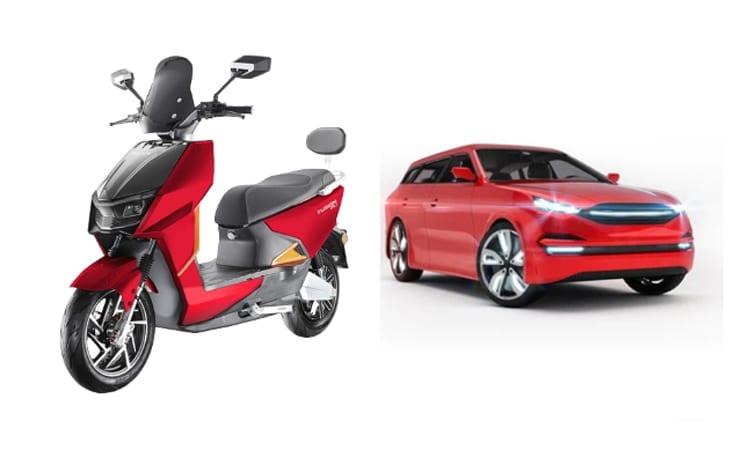
Bangladesh is moving to establish itself as an electric vehicle (EV) manufacturing nation through a comprehensive industry policy aimed at boosting local production, attracting investment and accelerating the country's transition to sustainable transport. The initiative was highlighted at a stakeholder consultation on the proposed Electric Vehicle Industry Development Policy 2026, jointly organised by the Ministry of Industries and GIZ Bangladesh.
Targeting 30% EV Penetration by 2030
The consultation focused on developing an industrial and regulatory framework to support the government's target of achieving 30 percent EV penetration across transport modes by 2030, in line with the Electric Motor Registration and Operation Guideline 2023. Industries Secretary Abdun Naser Khan emphasized the need for Bangladesh to prepare now to capitalize on the rapidly expanding global EV market.
Incentives for Local Manufacturing
The proposed policy seeks to create a formal, standards-compliant EV ecosystem through stronger legal, institutional and administrative frameworks while promoting domestic manufacturing and assembly. As part of the proposed incentives, the Total Tax Incidence (TTI) on imported Completely Built-Up (CBU) electric motorcars will remain at 37 percent until 2030. The TTI on all categories of Completely Knocked-Down (CKD) EVs will be fixed at 15.25 percent until 2035 to encourage local assembly and manufacturing.
Support for Charging Infrastructure
The policy also proposes a 10-year income tax exemption for institutions establishing EV charging stations to accelerate the expansion of charging infrastructure. Representatives of the German Embassy and GIZ Bangladesh reaffirmed Germany's support for Bangladesh's transition to sustainable mobility through the Transition to Sustainable e-Mobility (Trans2SMo) project, which is providing technical assistance to the Ministry of Industries in formulating the policy.
Power Sector Preparedness
The consultation also reviewed the country's power sector preparedness for increased EV adoption. Participants were informed that the national power grid would be able to accommodate rising electricity demand through targeted grid planning, smart charging systems and gradual deployment of smart grid technologies. Officials from the Ministry of Industries said the Power Division and the National Board of Revenue are working on complementary measures to encourage public and private investment in EV infrastructure and manufacturing.
Stakeholder Involvement
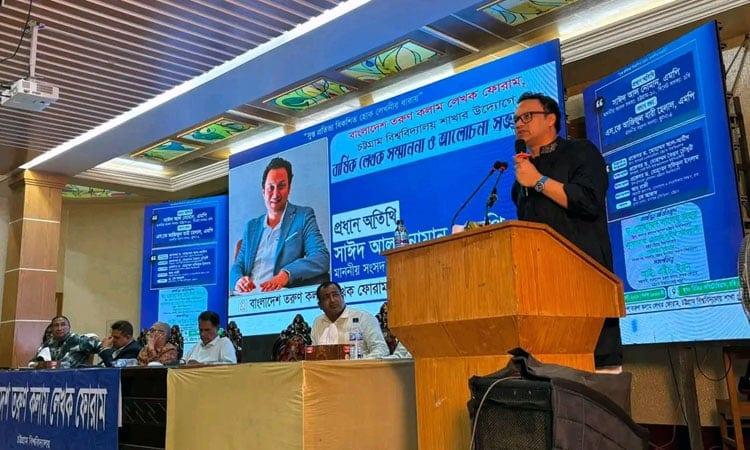
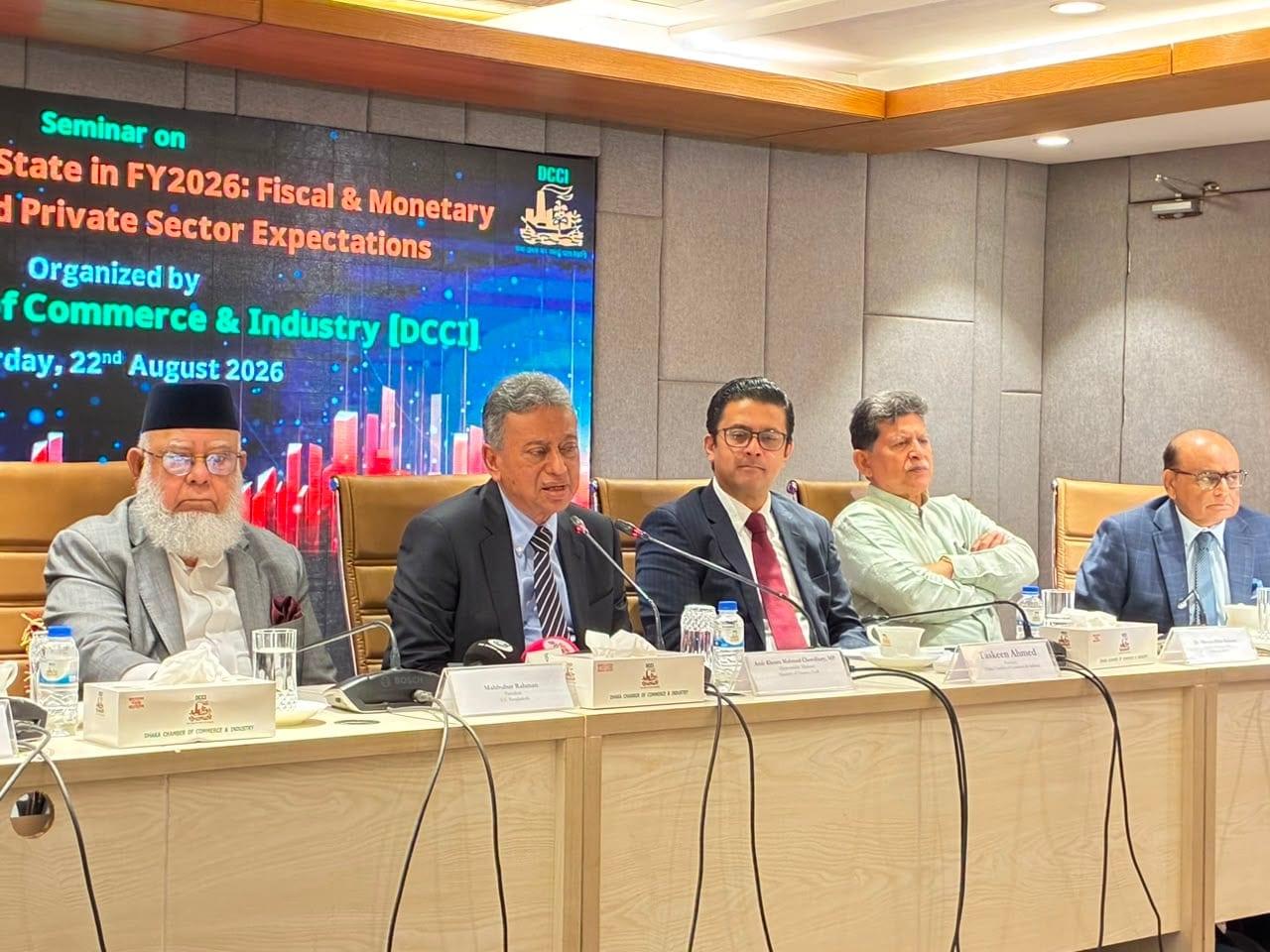
The workshop was attended by representatives from government agencies, the automotive industry, climate experts and international development partners. Additional Secretary (Policy, Law and International Cooperation) AKM Benjamin Riazi and Additional Secretary (Administration) Md. Nuruzzaman also addressed the workshop.