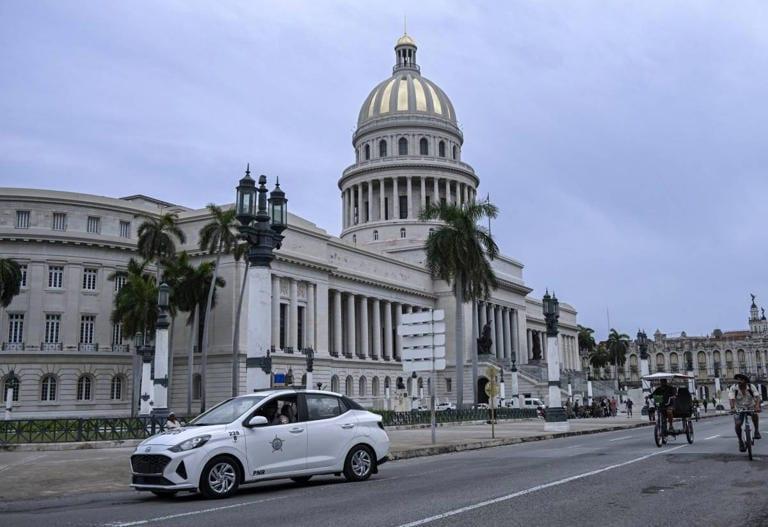
Cuba is grappling with the slow restoration of its electrical grid following a second nationwide blackout in less than a week. The ongoing fuel shortage, exacerbated by the US blockade, is complicating repair efforts. As of midday Saturday, only about seven percent of households in Havana had power, according to the state UNE electricity utility.
Repeated Blackouts Strain the Nation
This marks the fourth nationwide blackout in less than six months and the ninth since late 2024. The grid failure on Friday came just two days after the system was reconnected following a blackout on Monday. Cuba's population of 9.6 million is experiencing frequent total or partial blackouts due to aging infrastructure and fuel shortages.
Impact of the US Blockade
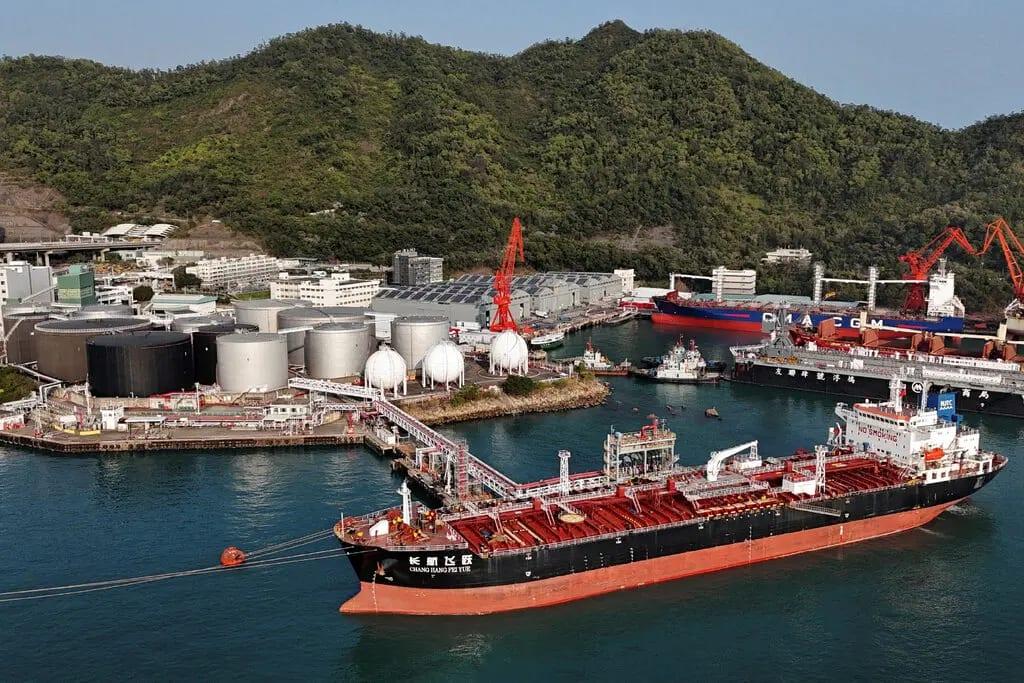
President Miguel Diaz-Canel attributed the current situation to the 'genocidal oil blockade' imposed by Washington. Since January, the US has authorized the arrival of only one Russian tanker carrying 100,000 tons of crude, which arrived in March and has since been exhausted.
Economic Crisis and Fuel Dependency
Cuba is in the midst of its worst economic crisis in decades, worsened by the fuel blockade. The nation's reliance on imported fuel and the strain on its aging infrastructure contribute to the recurring power outages. The situation is further complicated by the limited availability of fuel, which is crucial for restoring and maintaining the grid.
Why This Matters
The repeated blackouts highlight the severe impact of the US blockade on Cuba's energy infrastructure and overall economy. For Bangladesh, understanding these challenges can provide insights into the broader implications of international sanctions and the importance of energy security.