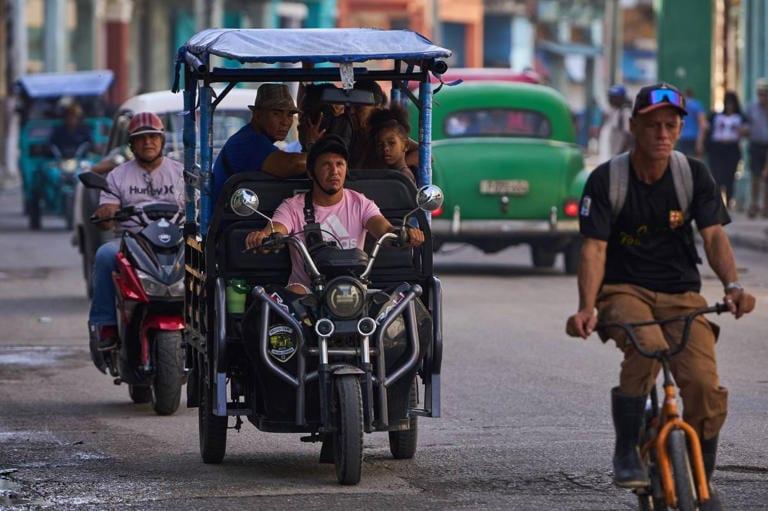
The US government has issued the first ever compensation payments to personnel affected by so-called 'Havana Syndrome,' the mysterious ailment reported by American diplomats in Cuba's capital. In a statement, the Department of Defense said it is prioritizing the care of affected personnel and has disbursed nearly $3 million in compensation, representing the first HAVANA Act payments made under any presidential administration.
Background of Havana Syndrome
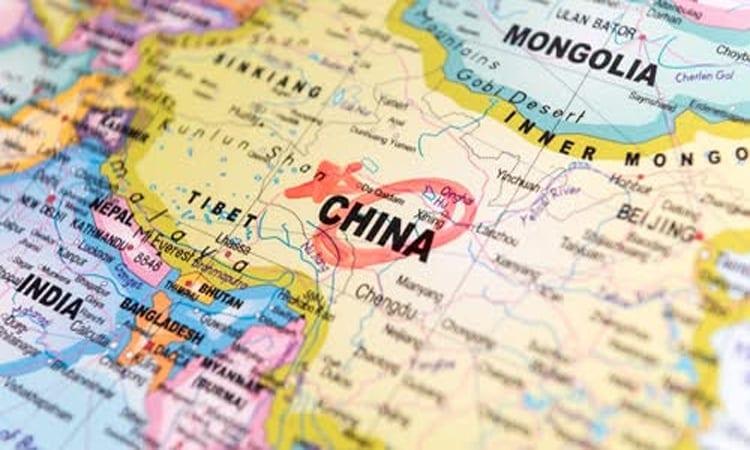
Havana Syndrome was first publicly reported in 2016 when US diplomats in Cuba reported falling ill and hearing piercing sounds at night. Other symptoms, including nose bleeds, headaches, and vision problems, were later reported by embassy staff in China, Europe, and Washington, DC. The US withdrew non-essential employees from its embassy in Havana and expelled Cuban diplomats over the illnesses, speculating that microwave or other electronic warfare was responsible.
Shift in US Policy
In a sign of easing concerns along with policy priorities, President Joe Biden's administration in 2023 reopened the US immigration office in Havana that had been shuttered during the scare. In early 2025, a US intelligence assessment said it was 'very unlikely' that a foreign adversary was behind the symptoms.
Commitment to Care and Transparency
The Department of Defense emphasized its commitment to transparency and scientific integrity to achieve validated outcomes, improve care for affected individuals, and adapt to a dynamic operational environment. The Department of War's commitment to mitigating non-kinetic threats remains absolute.
Significance for Bangladesh
While Havana Syndrome primarily affects US personnel, the issue highlights the importance of addressing mysterious health incidents that may have geopolitical implications. For Bangladesh, this underscores the need for vigilance and preparedness in dealing with similar unexplained health phenomena that could impact diplomatic and security personnel.