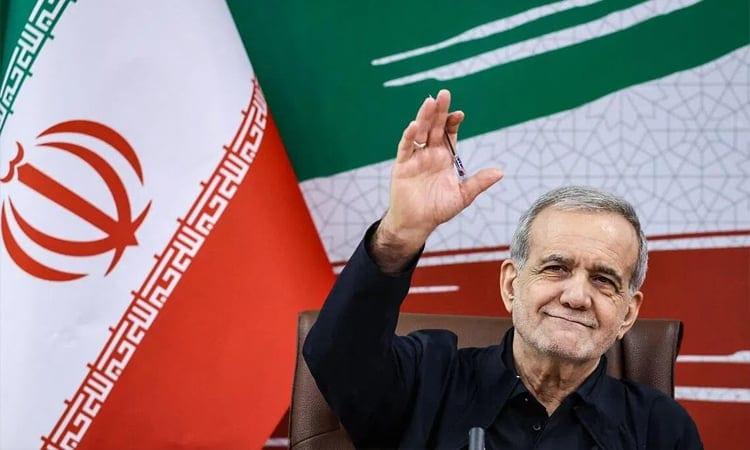
Iranian Foreign Minister Abbas Araghchi declared that Tehran has upheld its end of the ceasefire agreement with the United States. This statement comes after former President Donald Trump claimed the truce had ended but expressed willingness to engage in further negotiations with Iran.
Iran's Commitment to Ceasefire
Araghchi emphasized Iran's adherence to the ceasefire, contrasting it with what he described as the United States' failure to comply with the memorandum of understanding (MoU). Specifically, he accused the US of violating Paragraph 9 of the MoU, which stipulates that the US should not deploy additional forces in the region.
US Stance on the Truce
Former President Trump announced that the ceasefire was over but indicated a readiness to continue talks with Iran. This development raises questions about the future of the agreement and the potential for renewed tensions between the two nations.
Background of the Ceasefire
The ceasefire between Iran and the United States was initially brokered to de-escalate tensions in the region. The MoU included several provisions aimed at maintaining peace and preventing military confrontations.
Implications for the Region
The adherence to or violation of the ceasefire has significant implications for regional stability. Any breakdown in the agreement could lead to increased military activity and heightened tensions, affecting not only Iran and the US but also neighboring countries.
Why This Matters for Bangladesh
For Bangladesh, the stability of the Middle East is crucial as it impacts global oil prices, trade routes, and regional security. Any escalation between Iran and the US could have ripple effects on the global economy, influencing Bangladesh's import costs and overall economic stability.