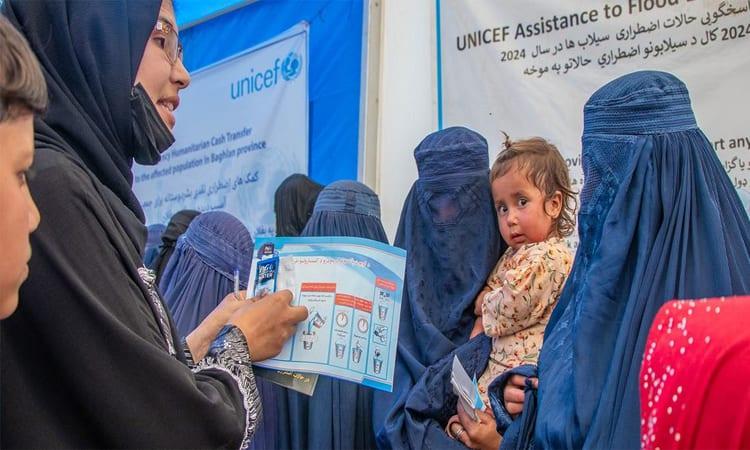
The United Nations has warned that at least one million women and girls have lost access to critical support due to significant cuts in foreign aid spending since January 2025. In a recent report, the UN Women agency highlighted the collapse of women's organizations at a time when needs are soaring.
Impact of Aid Cuts
US President Donald Trump slashed foreign aid after taking office last year, and other key donor countries have also reduced their contributions. Sofia Calltorp, UN Women's head of humanitarian action, stated that the organizations at risk of shutting down are on the frontlines of the world's most severe humanitarian crises. Every dollar withdrawn from these organizations is a dollar withdrawn from survivors of conflict-related sexual violence, displaced mothers, girls forced from school, and communities struggling to survive.
Rising Demand and Limited Resources
UN Women's report, based on responses from 855 women-led and women's rights organizations across 52 crisis-affected countries, found that 84 percent of these groups have seen an increase in demand for their services since January 2025. Nearly nine in ten organizations say they can no longer meet current levels of need, and two in five expect to shut down, temporarily or permanently, within the next year.
Staff Sacrifices and Burnout
To keep these organizations afloat, leaders and employees are making significant personal sacrifices. A full 65 percent of women-led organizations reported staff working without pay to maintain services, while nearly half reported rising burnout among their staff.
Increase in Gender-Based Violence
The UN Women statement warned that conflict-related sexual violence doubled in 2025, just as the systems designed to protect survivors are collapsing. The report found that 86 percent of women's organizations report an increase in gender-based violence in the communities they serve.
Long-Term Consequences
The consequences of these cuts extend beyond the immediate humanitarian response. The dismantling of women's organizations is occurring against a global backlash on the rights of women and girls. One in five organizations has already suspended work advancing women's leadership and gender equality, while over half reported witnessing declining participation of women in community leadership and local decision-making.