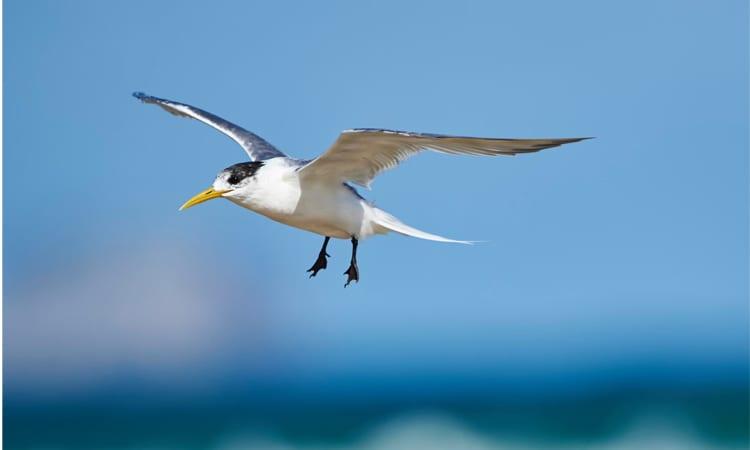
Scientists have detected the highly contagious H5 bird flu in an Australian seabird for the first time, the government announced on Friday. This marks the first confirmed case in local wildlife, although 12 cases have been reported in migratory seabirds since June. Agriculture Minister Julie Collins stated that while this development is concerning, it was not unexpected given the virus's presence in migratory birds.
Background on H5 Bird Flu
The H5 bird flu, also known as avian influenza, is a highly contagious viral infection that primarily affects birds. It can spread rapidly among bird populations and has the potential to infect humans, although such cases are rare. The virus is known to cause severe illness and death in birds, and its spread can have significant economic and health implications.
Implications for Australia
The detection of H5 bird flu in a local seabird raises concerns about the potential spread of the virus within Australia's bird populations. Authorities are likely to increase surveillance and implement measures to prevent the virus from spreading to poultry farms and other bird habitats. This could include culling infected birds, restricting movement of birds, and enhancing biosecurity measures.
Global Significance
The spread of H5 bird flu is a global concern due to its potential to cause significant economic losses in the poultry industry and its threat to public health. Countries around the world are monitoring bird populations for signs of the virus and implementing measures to control its spread. The detection in Australia underscores the need for continued vigilance and cooperation among nations to manage the risk of avian influenza.
Why This Matters for Bangladesh
For Bangladesh, the detection of H5 bird flu in Australia serves as a reminder of the importance of maintaining robust surveillance and biosecurity measures within the country's poultry industry. Bangladesh has previously dealt with outbreaks of avian influenza, and the re-emergence of the virus in other parts of the world highlights the need for preparedness and rapid response to prevent significant economic and health impacts.
Next Steps
Australian authorities are expected to conduct further investigations to determine the extent of the virus's spread and implement appropriate control measures. International organizations, such as the World Health Organization and the World Organisation for Animal Health, will likely monitor the situation closely and provide guidance to affected countries. Continued research into the virus and development of effective vaccines and treatments remain critical to managing the threat of avian influenza.