Three workers were injured in a drone attack on Tibu Airport in Colombia, near the Venezuelan border, according to the Colombian military. The attack, which occurred on Thursday, is attributed to the National Liberation Army (ELN), the country's largest active guerrilla group. The military reported that the three workers sustained injuries from the blast. This incident highlights the escalating use of attack drones by armed groups in Colombia, which have increasingly targeted both security forces and civilian targets. The ELN, known for funding its activities through drug trafficking, extortion, and other illegal means, is the oldest surviving guerrilla group in the Americas.
Background on the ELN
The National Liberation Army (ELN) has been active in Colombia for decades, primarily funding its operations through illicit activities such as drug trafficking and extortion. Despite peace talks and efforts to negotiate with the Colombian government, the ELN continues to engage in violent activities, particularly in regions affected by cocaine-trafficking related violence.
Escalating Drone Use
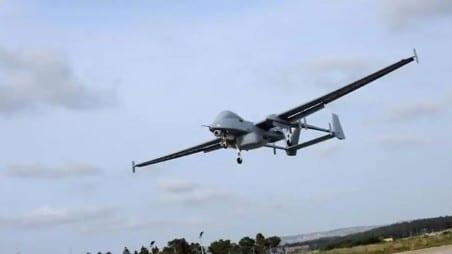
The use of drones by armed groups in Colombia has become more frequent in recent years. These drones are used for both surveillance and attacks, posing a significant threat to both military and civilian targets. The Tibu Airport attack is a stark reminder of the evolving tactics employed by these groups.
Political Context
The attack comes amid a tense political climate in Colombia. Hard-right president-elect Abelardo de la Espriella has vowed to break off peace talks with armed groups and adopt a more militaristic approach to dealing with guerrillas once he takes office on August 7. This shift in strategy could further escalate the violence in the region.
Implications for Regional Security
The drone attack at Tibu Airport underscores the ongoing security challenges in Colombia, particularly in areas near the Venezuelan border. The incident raises concerns about the safety of both local populations and international travelers, as well as the effectiveness of current security measures in place to combat guerrilla activities.
Why This Matters
For Bangladesh, this incident serves as a reminder of the global nature of security threats and the importance of robust counter-terrorism measures. As Colombia grapples with guerrilla violence, Bangladesh can draw lessons on how to strengthen its own security infrastructure to prevent similar incidents. The attack also highlights the need for international cooperation in combating cross-border criminal activities and terrorism.