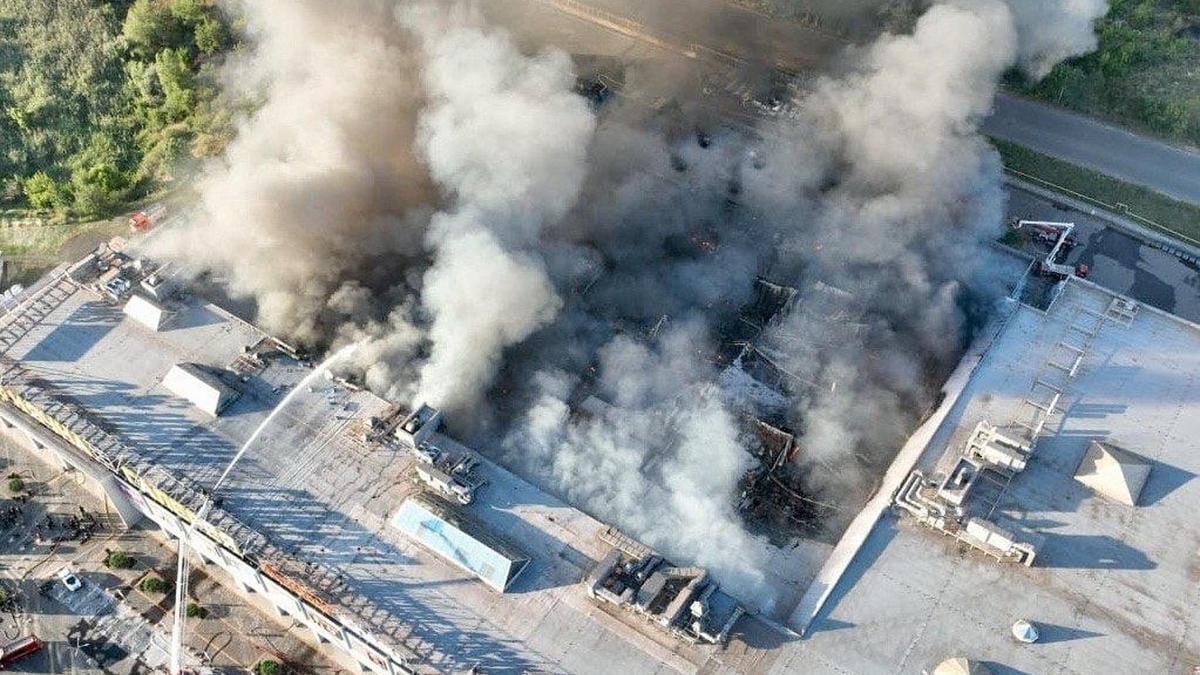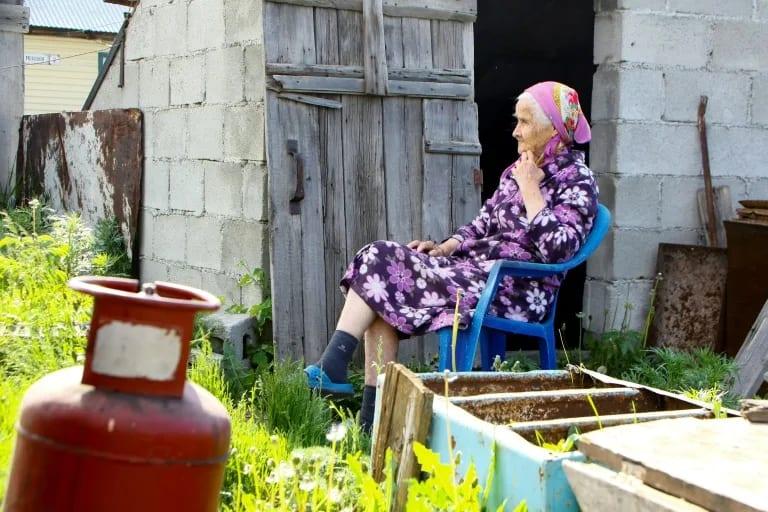
In Shchuchinsk, a town in northern Kazakhstan, a gas cylinder explosion in February 2026 killed 12 people and injured many more, reigniting concerns about the country's domestic energy difficulties. Despite being rich in natural gas, Kazakhstan's distribution network is fragmented, forcing a third of its 20 million people to rely on gas cylinders, similar to the one that exploded in Shchuchinsk.
The Dangers of Gas Cylinders
The gas cylinder that exploded in Shchuchinsk was one of around 350,000 Soviet-era cylinders still in circulation, manufactured in the 1970s and 1980s. These outdated cylinders increase the risk of explosion. Hundreds of people have been injured and killed in gas cylinder accidents in Kazakhstan in recent years.
Government Response and Future Plans
After the Shchuchinsk blast, the government ordered a review of the use of gas cylinders but did not elaborate on details. The Kazakh government, supported by its Russian ally, has promised to build gas pipelines to achieve 65 percent connectivity by 2030. However, the immense geography and low population density of Kazakhstan make such projects complicated and economically uncertain.
Alternative Energy Sources
Some residents of Shchuchinsk have switched to electricity for their power needs, considering it a safer and more practical alternative. However, Kazakhstan's electricity grid is weak and underfunded, making a complete switch to electricity expensive and challenging.
Why This Matters
The gas cylinder explosions in Kazakhstan highlight the urgent need for a reliable and safe energy distribution network. As the country works towards building gas pipelines and improving its energy infrastructure, the safety and well-being of its citizens remain paramount. The situation underscores the broader challenges faced by countries with abundant natural resources but inadequate infrastructure to harness them effectively.