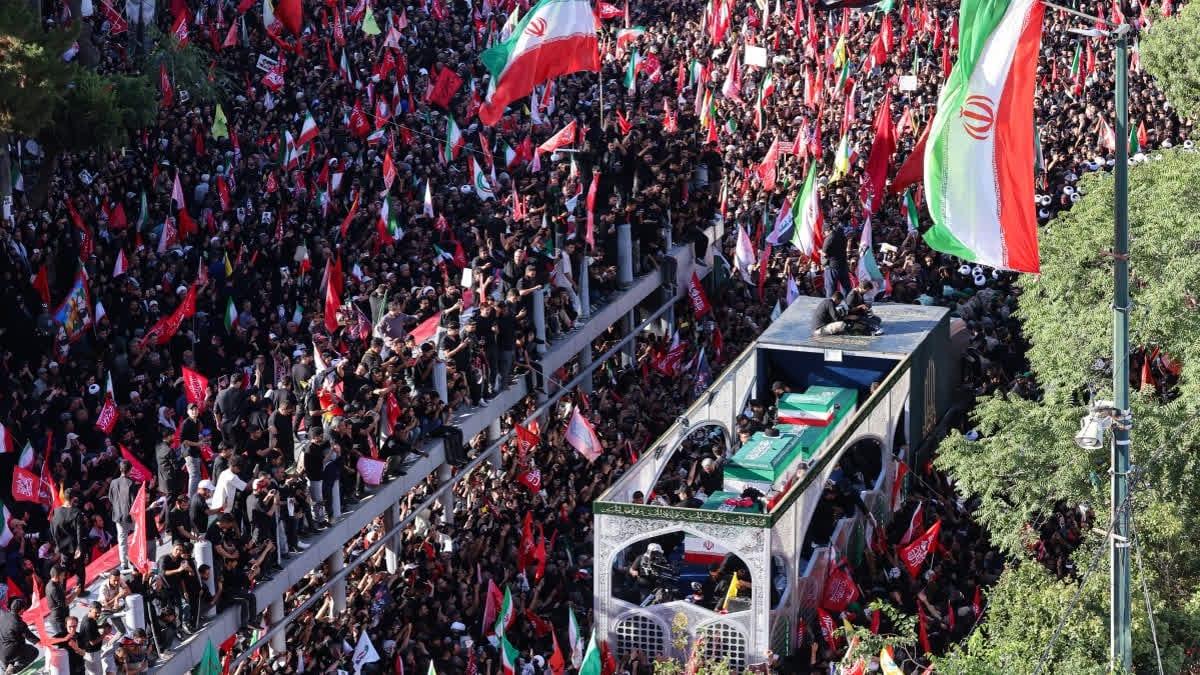
Iran laid to rest its former supreme leader Ali Khamenei in Mashhad on Friday, over four months after his death in an airstrike. The burial took place as US and Iranian forces engaged in a second day of tit-for-tat attacks, raising fears of a return to all-out war.
Ceremony and Tensions
Khamenei's flag-covered coffin was carried into the shrine of Imam Reza in Mashhad, with a large crowd gathered outside. Despite the presence of parliament speaker Mohammad Bagher Ghalibaf, chief justice Gholamhossein Mohseni Ejei, and Khamenei's eldest son Mostafa Khamenei, there was no public appearance by Mojtaba Khamenei, the appointed successor who has yet to be seen since the February 28 strikes.
Escalating Conflict
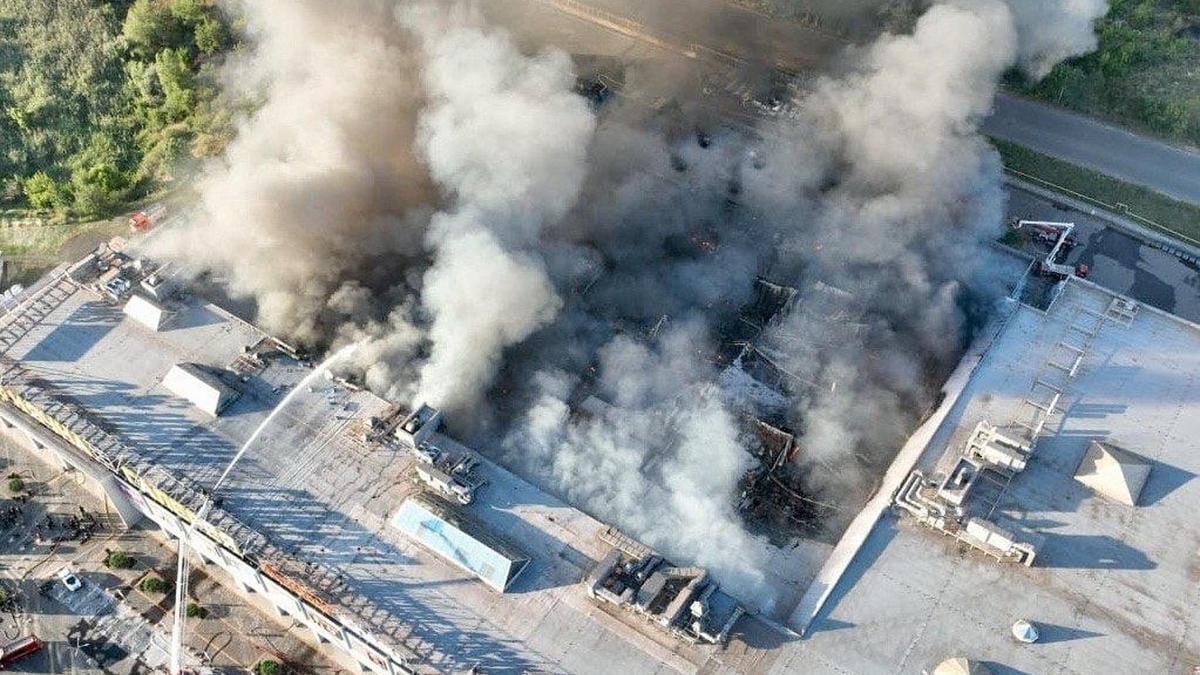
The burial occurred amid ongoing hostilities between Washington and Tehran. Iranian officials reported that US strikes killed 17 people, including targeting a railway line between Tehran and Mashhad. In response, Iran resumed attacks on US assets in Kuwait, Bahrain, and Qatar, while Jordan intercepted eight missiles launched from Iran.
Background and Context
Khamenei was killed on February 28 during the initial US-Israeli war against Iran. His burial marks the end of a six-day funeral ceremony. The ongoing conflict has seen significant military engagements, with both sides targeting each other's assets and infrastructure.
Implications for Bangladesh
The escalating tensions between the US and Iran have global implications, including for Bangladesh. The conflict could affect oil and gas supplies, given the strategic importance of the Strait of Hormuz. Additionally, the geopolitical instability may influence regional security dynamics, impacting trade and diplomatic relations.