China's economic growth likely slowed in the second quarter of the year, according to an AFP survey of experts. The world's second-largest economy is increasingly reliant on foreign trade to expand as a prolonged property-sector slump and weak consumer demand continue to pose problems.
Impact of Global Tensions
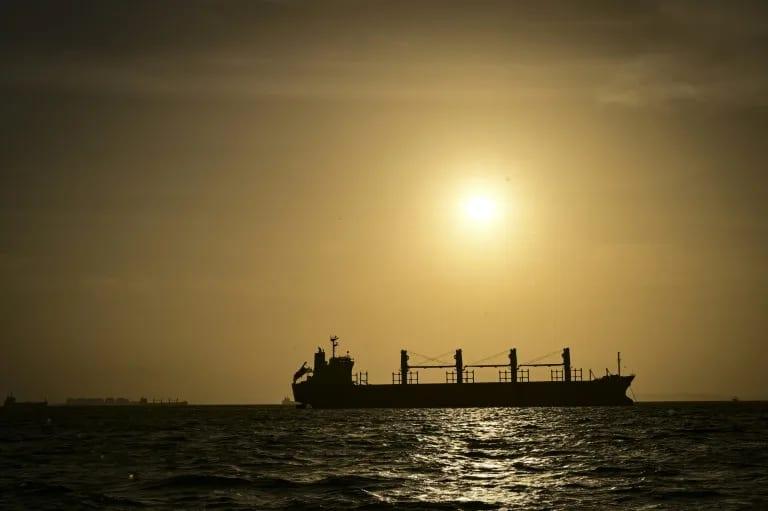
The US-Israeli war on Iran has threatened China's growth by choking off shipping through the Strait of Hormuz, through which a fifth of global oil and natural gas normally passes. This has sparked fears of a downturn that would hit demand for Chinese exports.
Export Strength and Domestic Challenges
Despite these challenges, data is expected to show the country's economy expanded 4.5 percent year-on-year in April-July, according to the median forecast of an AFP survey of experts. High-tech sectors, particularly those related to artificial intelligence and renewable energy, have seen stellar performance.
However, weak domestic demand and subdued business and household sentiment have been further weighed down by uncertainty stemming from the Iran conflict. Retail sales fell for the first time in three years in May, while fixed-asset investment has also slumped.
Property Sector Woes
The debt crisis in China's massive property sector, which began in 2020, has also dragged on economic growth. Home prices across the country have stagnated, dissuading potential buyers from investing.
Future Outlook and Policy Measures
Analysts expect new measures will be needed to support growth in the second half of the year, especially if the AI export wave subsides. Policymakers may pivot to re-prioritize growth, with potential policies to step up investment and support services and employment.
Continued trade frictions with the United States and the European Union could threaten Beijing's exports and require new efforts to rebalance the economy. With domestic demand subdued, Chinese manufacturers are pinning their hopes on overseas expansion to boost profits.