US President Donald Trump said Friday he had agreed to further negotiations with Iran, even as he repeated his assertion that the ceasefire between the long-time foes was over. This comes just over three weeks after Washington and Tehran signed an agreement aimed at turning a months-long ceasefire into a durable peace. The exchange of fire for two days this week threatened a return to full-scale regional war.
Ceasefire Declared Over
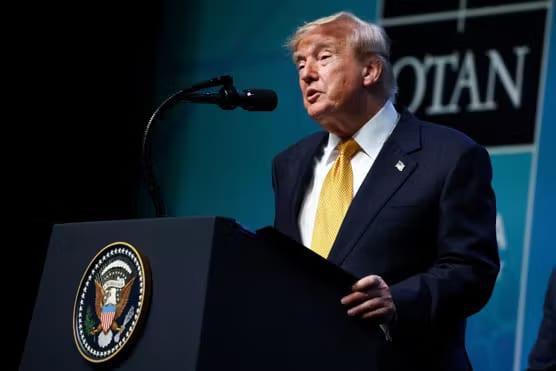
Trump posted on his Truth Social platform: "The Islamic Republic of Iran has asked us to continue 'talks.' We have agreed to do so, but the United States has stated to them, in no uncertain terms, that the Cease Fire is OVER!" Earlier this week, at a NATO summit, Trump also declared the ceasefire over, saying of Tehran: "It's just a waste of time dealing with them."
Mediation Efforts Continue
While there have been no direct talks between Iran and the United States since last month, Iranian media reported that a delegation from mediator Qatar was in Tehran after the warring sides exchanged strikes again this week. Doha in a call with Cairo on Friday backed continued diplomacy, despite Iran saying it had launched attacks on US assets in Qatar, and the Gulf state accusing Tehran of attacking one of its tankers in the Strait of Hormuz.
Regional Tensions Rise
The war began on February 28 when the United States and Israel launched a massive wave of surprise attacks on Iran that killed much of Tehran's senior leadership, including supreme leader Ali Khamenei. Iran retaliated by effectively closing the Strait of Hormuz and launching strikes on Israel and US interests across the Gulf. The war also spilled over into Lebanon after Hezbollah launched rockets at Israel, prompting it to invade.
Implications for Bangladesh
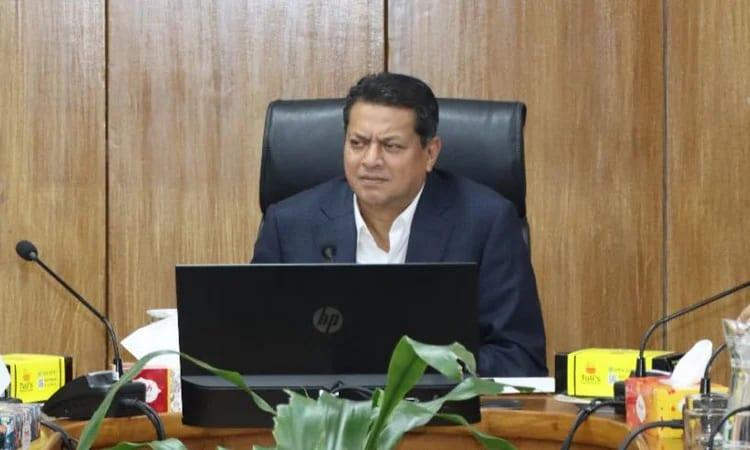
The ongoing conflict between the US and Iran has significant implications for Bangladesh, particularly concerning energy security and regional stability. Bangladesh relies heavily on imported oil and gas, and any disruption in the Strait of Hormuz could lead to increased energy prices. Additionally, the instability in the region could affect trade routes and economic partnerships, impacting Bangladesh's economy. The country must stay vigilant and adapt to the changing geopolitical landscape to mitigate potential adverse effects.