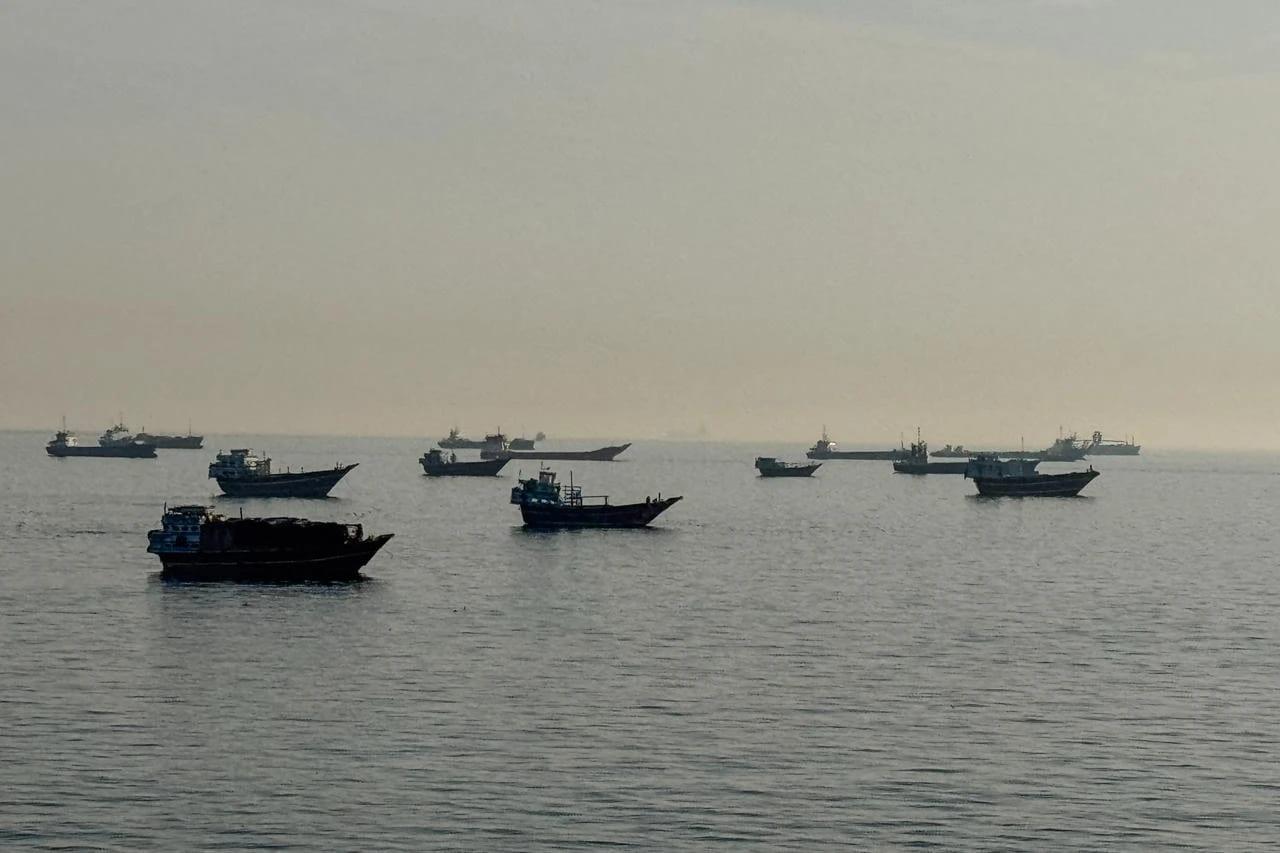
Iran announced the closure of the Strait of Hormuz on Sunday 'until further notice' after firing on a vessel it said was taking an unauthorized route, prompting US retaliatory strikes that further undermine an already shaky ceasefire.
Escalation of Tensions
The closure of the strategic waterway marks the latest escalation in a dispute that has become one of the main roadblocks to a final US-Iran agreement. Tehran insists it will regulate shipping through Hormuz, while Washington demands unrestricted navigation through a route that carries roughly a fifth of global oil and liquefied natural gas trade.
Iran's Revolutionary Guards said they struck and stopped a vessel ignoring repeated instructions to use an approved shipping corridor. 'Following this incident... the Strait of Hormuz will be closed until further notice and until the end of American interventions in this region and no vessels will be allowed to pass through,' the Guards said.
US Retaliatory Strikes
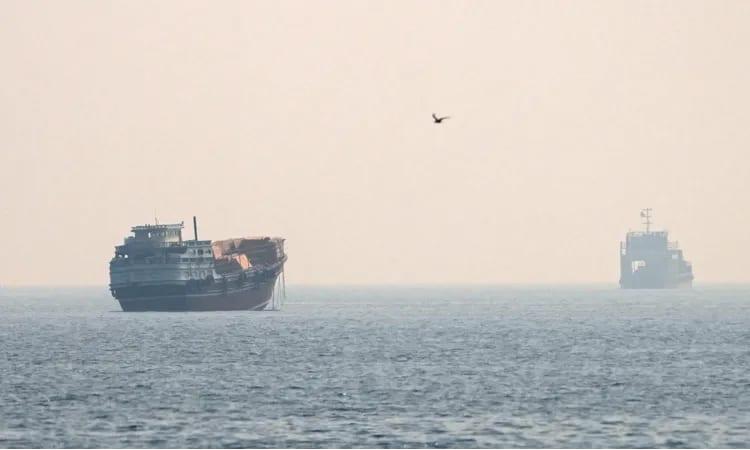
Although Iran called the strike on the ship 'warning shots', the US military said Tehran 'blatantly attacked' a Cyprus-flagged container ship transiting the Strait of Hormuz. A crew member was missing and the vessel had been disabled by fire and damage to its engine room.
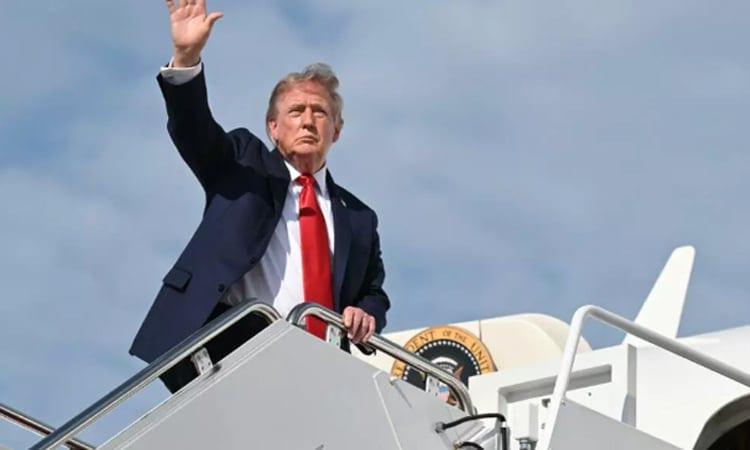
'In response, the United States is imposing a heavy cost by continuing to degrade Iran's ability to attack civilian mariners and commercial ships freely transiting the strait,' US Central Command (CENTCOM) said on X. The strikes, which began at 7:15 pm (2315 GMT) Saturday in Washington, were the third round carried out this week and were taking place at the direction of President Donald Trump.
Impact on Global Trade
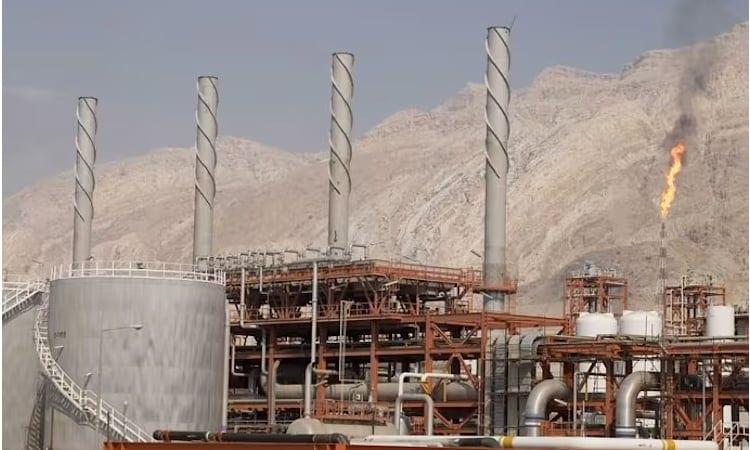
The Strait of Hormuz is a key conduit for oil and gas exports out of the energy-rich Gulf, and its closure has heavily impacted the world economy. Iran insists on controlling the passage of ships and has announced plans to charge fees, saying there will be no return to the free navigation of the pre-war era -- a stance Washington has rejected.
Diplomatic Efforts
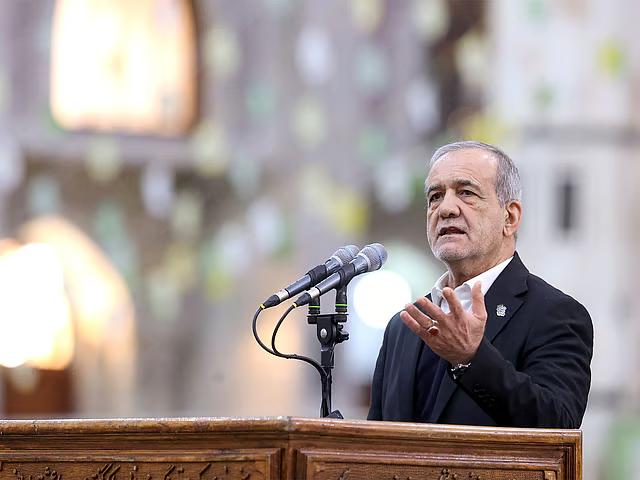
The latest strikes came as Iran's supreme leader vowed revenge for the US-Israeli killing of his father and predecessor, hours after Trump threatened severe reprisals in the event of any attempt on his life. Trump has declared their ceasefire over while leaving the door open for talks, and mediators have been trying to salvage a diplomatic solution, with Iranian media reporting that a delegation from Qatar travelled to Iran on Friday.
Significance for Bangladesh
The escalating tensions between the US and Iran have significant implications for global trade and energy markets, which in turn affect Bangladesh's economy. As a nation heavily reliant on imported oil and gas, any disruption in the Strait of Hormuz could lead to increased energy prices and supply chain disruptions. Additionally, the geopolitical instability may impact Bangladesh's trade relations and economic stability.