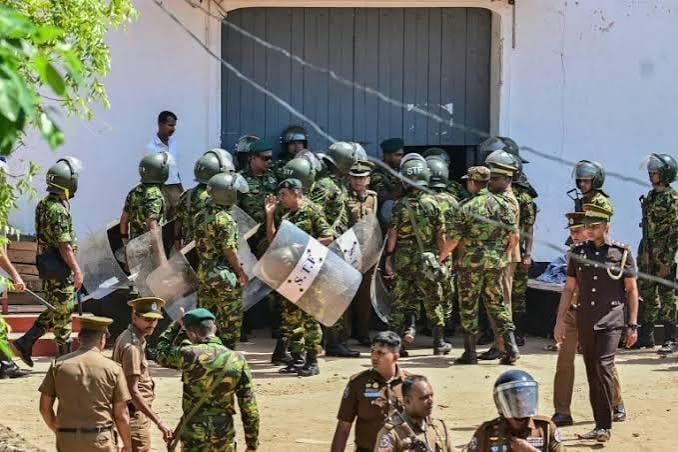
A violent riot at Negombo Prison in Sri Lanka has resulted in 26 deaths, including seven guards, and over 100 injuries, marking the country's deadliest prison disturbance in years. The clashes, which began on Sunday evening, were between inmates from two rival drug gangs. Victims with gunshot wounds, cuts, and severe bruises were rushed to Negombo Hospital and Colombo National Hospital.
Immediate Response and Casualties
Hospital director Pushpa Gamlath confirmed 23 bodies were brought to Negombo Hospital, with more than 100 wounded inmates and guards receiving treatment. Justice Minister Harshana Nanayakkara later announced three additional deaths, raising the total to 26. Nanayakkara expressed profound shock and grief, stating that authorities were working to separate the rival gangs within the prison.
Escalation and Attempts to Escape
As the fighting spread, women inmates in an adjoining section climbed onto a roof and demanded their release. Part of the roof collapsed, injuring some of the women. Prison spokesman Chaminda Gajanayake reported that inmates attempted a breakout on Monday morning during breakfast, but were held back by guards. Armed police and commandos were deployed to guard the prison perimeter.
Government Investigation and Relocation
The government has announced the formation of a three-member investigative team, headed by a retired Supreme Court justice, to examine the riot. Gajanayake confirmed that no foreign inmates were affected, including a 22-year-old British woman held since May last year on drug charges. Some inmates were transferred to other prisons for safety.
Background and Context
This riot follows a similar incident in December 2020, where rioting at another Sri Lankan prison killed 11 inmates and wounded 117 during the Covid-19 pandemic. Overcrowding remains a significant issue, with official data showing that Sri Lanka's prisons hold about four times their capacity, housing 41,250 inmates as of Sunday.
Significance and Next Steps
The Negombo Prison riot underscores the urgent need for prison reform and better management of inmate populations in Sri Lanka. The government's immediate response includes an investigation and efforts to relocate inmates, but long-term solutions are required to prevent future incidents. The international community will be watching closely as Sri Lanka addresses these critical issues.