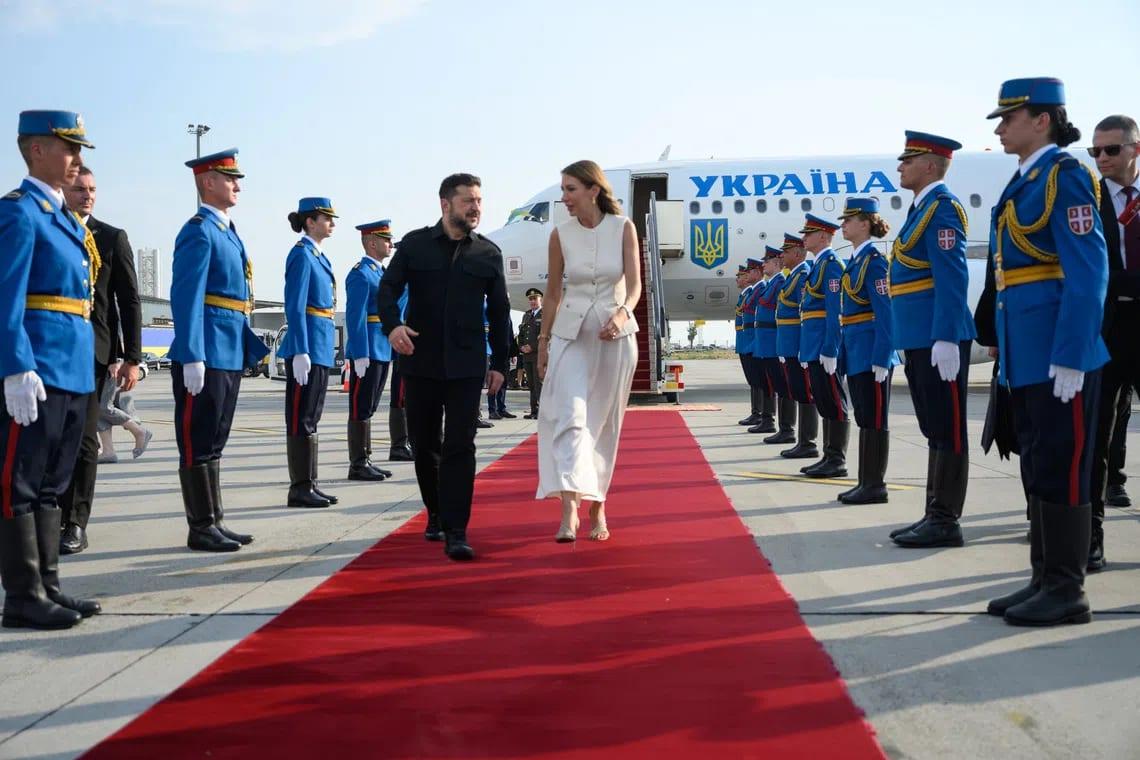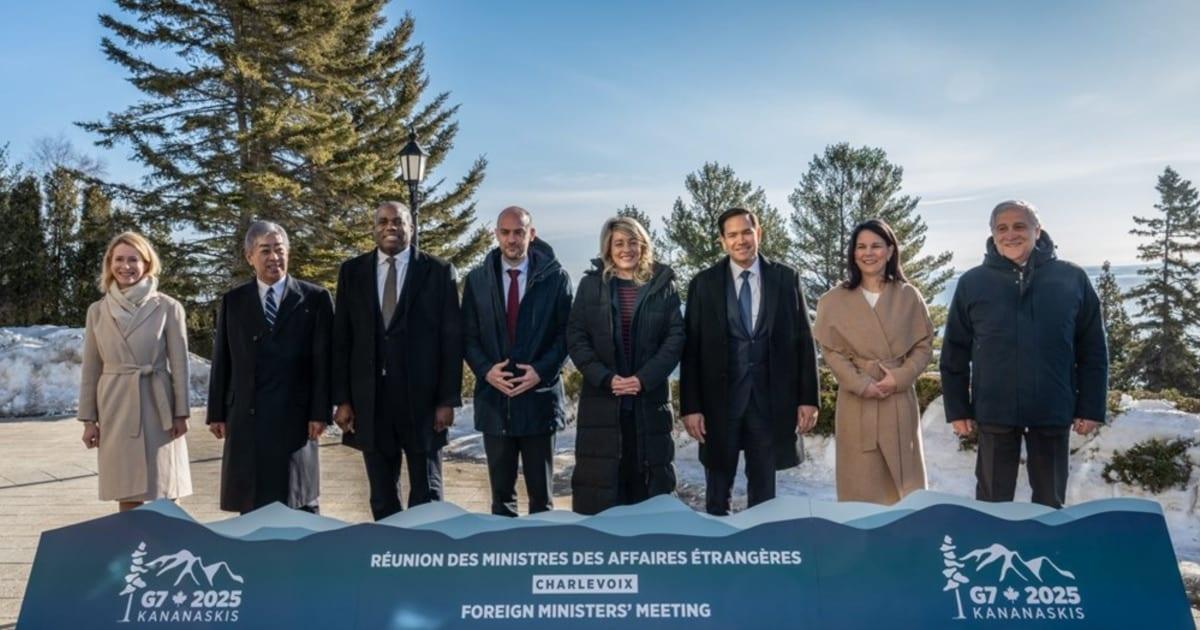
The G7 group of top diplomats has called on Russia to accept a US-proposed ceasefire in the ongoing Russia-Ukraine war. In a joint statement after discussions in Canada, the diplomats urged Russia to respond positively to the ceasefire proposal and fully implement it. They warned that failure to do so would result in further sanctions, including increased oil prices, additional aid to Ukraine, and other measures.
US Diplomat Meets with Putin
The White House has confirmed that US President Donald Trump's special envoy, Steve Wittkoff, met with Russian President Vladimir Putin on Thursday to discuss the ceasefire proposal. Canada's Foreign Minister Melanie Joly stated that all G7 foreign ministers agree that the US ceasefire proposal has Ukraine's support and are now waiting for Russia's response. She added, 'The ball is now in Russia's court.'
Britain Echoes the Call
British Foreign Secretary David Lammy echoed the call, stating that everyone agrees it is time for an unconditional ceasefire. He noted that Ukraine has made its position clear and it is now up to Russia to accept it. Lammy also mentioned that there is a collective will to provide Ukraine with the necessary 'security infrastructure' and to monitor the ceasefire.
Kremlin's Response
The G7's joint statement comes as the Kremlin indicates that there is more to be done regarding a ceasefire agreement with Ukraine, suggesting Russia's reluctance to fully accept the US proposal. Kremlin spokesman Dmitry Peskov said Putin is waiting for answers to many questions before implementing a ceasefire.
Ukraine's President Reacts
Ukraine's President Volodymyr Zelensky dismissed Putin's response, stating that it is a deliberate attempt to impose conditions that would complicate the issue and 'take it out of the process.'
Other Discussions
During the closed-door meeting, the G7 foreign ministers also discussed China's role in global security, the stability and security of navigation in the Indian and Pacific Oceans, and the strategic challenges posed by China, North Korea, Iran, and Russia. Many foreign policy analysts and military officials refer to these four countries' anti-Western alliance as the 'axis of unrest.'