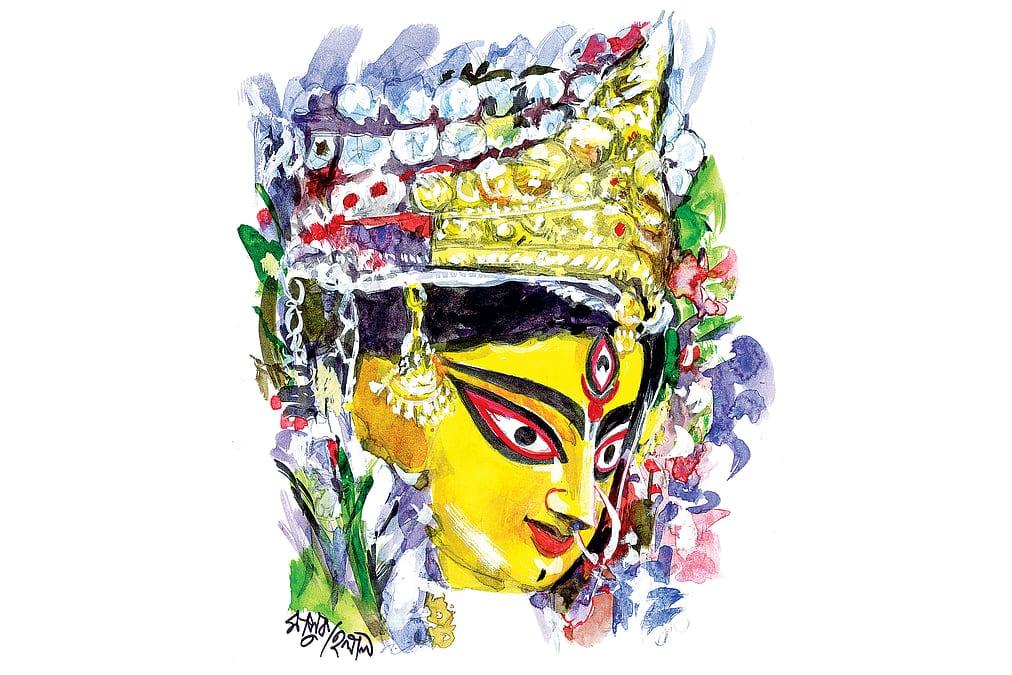
The worship of God in the form of a mother is a deeply rooted tradition in human history. From ancient civilizations to modern times, the concept of a divine mother figure has been prevalent across various cultures and religions. This tradition is evident in the Vedic literature, where goddesses like Aditi, Ushas, Ambika, Uma, Saraswati, Durga, Savitri, and Prithvi are revered. The worship of goddesses such as Kali and Chandi also highlights this tradition. The practice is not limited to India but is seen in various ancient civilizations, indicating a universal human tendency to perceive the divine in a maternal form.
Historical Context
The Rigveda, one of the oldest sacred texts, contains hymns dedicated to goddesses, emphasizing their role as the primordial power. The Devi Sukta in the Rigveda describes the goddess as the creator and sustainer of the universe. Similarly, the Indus Valley Civilization, one of the oldest urban civilizations, has archaeological evidence of goddess worship. The tradition continued through the Vedic, Tantric, and Puranic periods, with goddesses like Durga and Kali becoming central figures in Hindu worship.
Cultural Significance
The worship of God in the form of a mother is significant as it reflects the deep-seated human need for protection, nurturing, and unconditional love. The mother figure symbolizes these qualities, making her an ideal representation of the divine. This tradition has evolved over time, incorporating various cultural and religious influences, yet maintaining its core essence. Today, the worship of goddesses like Durga and Kali remains a popular practice, especially in regions like Bengal, where it is an integral part of cultural and religious identity.