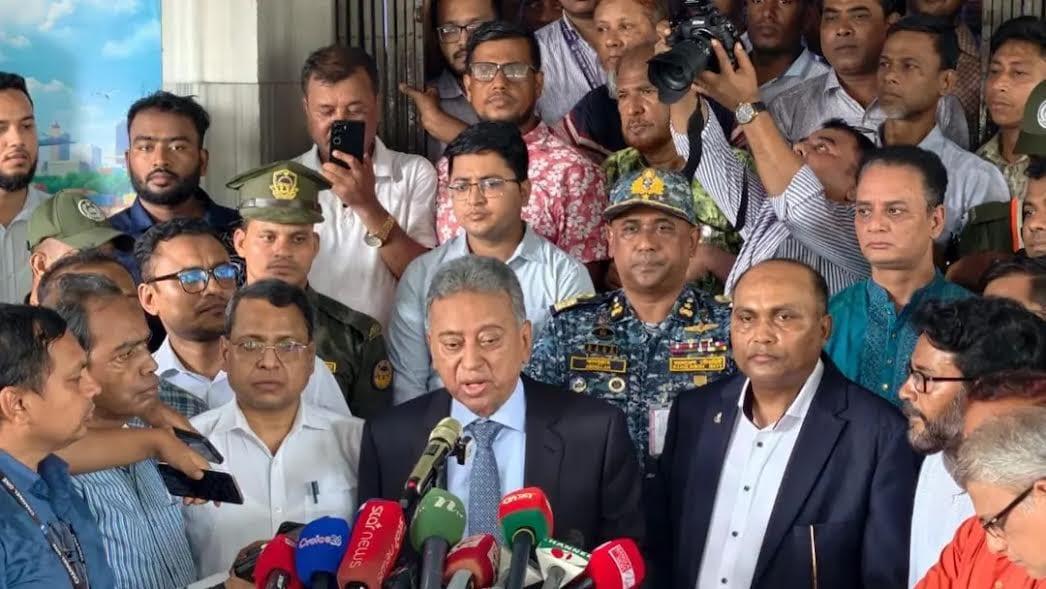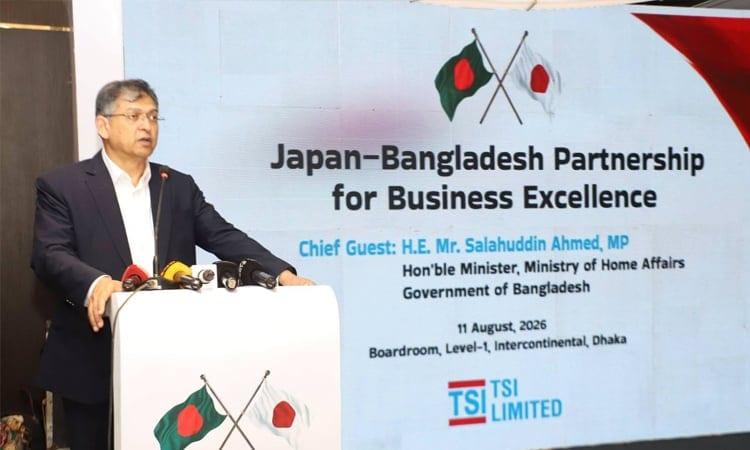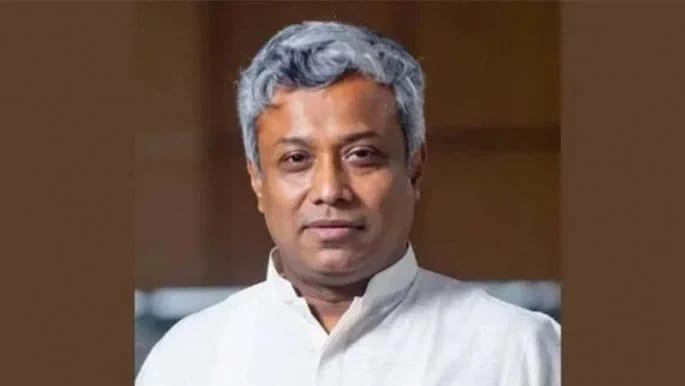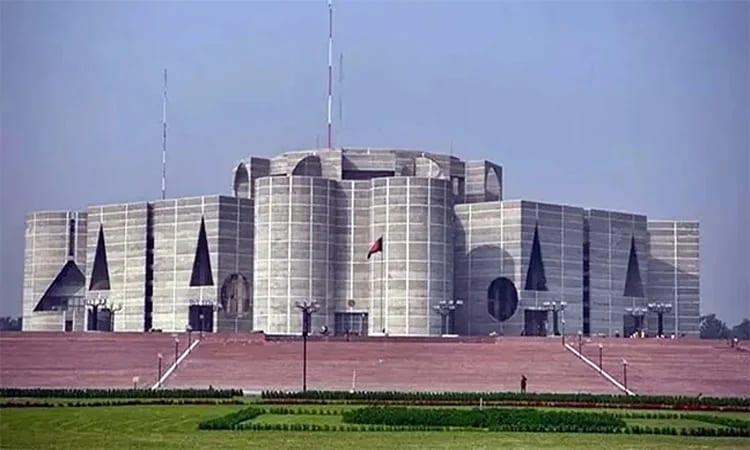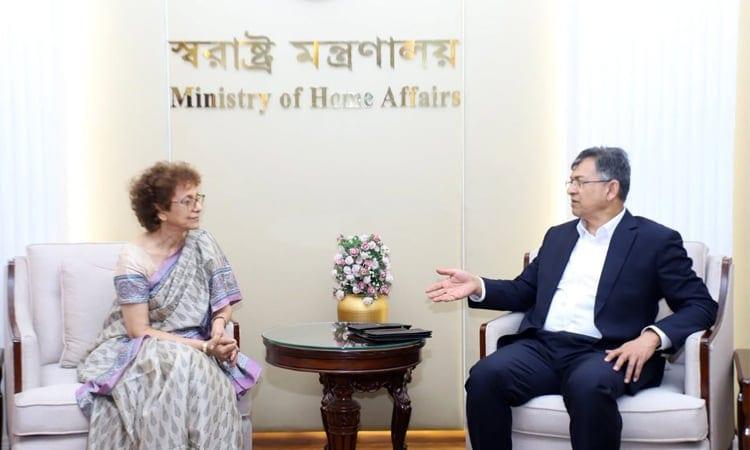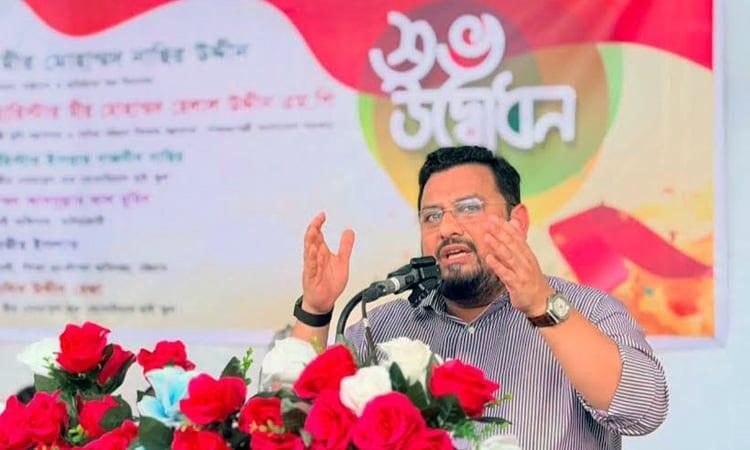
Home Minister Salahuddin Ahmed today said the government has formulated a people-oriented, reform-based and future-focused budget despite inheriting an economy weakened by prolonged corruption, money laundering, irregularities in the banking sector and global uncertainties. The minister described the proposed budget as a roadmap for rebuilding the country's economy on a new foundation during the general discussion on the proposed national budget for the 2026-27 fiscal year in the Jatiya Sangsad.
Economic Challenges and Global Crises
The minister highlighted that the budget had been prepared within only a few months amid a fragile domestic economic situation and global crises, including the aftermath of the COVID-19 pandemic, the conflicts in Gaza, Ukraine and Syria, and the recent Iran-Israel confrontation. Despite volatility in the international energy market, the government refrained from increasing fuel prices until April 14 to protect the interests of ordinary people.
Alleged Economic Plunder and Corruption
Salahuddin Ahmed alleged that the absence of democratic accountability during the previous government's tenure had given rise to a plunder-based economy, crony capitalism and an oligarchic economic order. He pointed out large-scale loan scams in the banking sector, politically motivated bank takeovers, overpriced mega projects, political extortion, misuse of tax exemptions and widespread waste of state resources as factors that had severely damaged the economy.
White Paper Findings and Illicit Transfers
Referring to the White Paper prepared under the leadership of economist Dr Debapriya Bhattacharya, the minister said an average of US$16 billion had been illicitly transferred abroad every year between 2009 and 2023, with nearly Tk 30 lakh crore siphoned off during the period. He also mentioned that the cost of development projects had been inflated by as much as 70 percent, while politically influenced loan disbursements involved funds that could have financed the construction of several Padma Bridges and metro rail systems.
New Economic Order and Budget Priorities
Describing the proposed budget as one for a "New Economic Order", Salahuddin Ahmed said the government had moved beyond conventional economic thinking to prioritise public welfare, productivity, social protection and long-term macroeconomic stability. He noted that no new taxes had been imposed on essential commodities, preventing the price hikes that had often followed budget announcements in previous years and bringing relief to consumers.
Focus on Education, Health and Social Protection
The minister said the government had attached the highest importance to the education and health sectors, recognising them as the foundation of long-term economic growth, while social safety net programmes had also been expanded. The Annual Development Programme (ADP) for the new fiscal year had been formulated on five key pillars: reforming state institutions, ensuring equitable socio-economic development, rebuilding the fragile economy, promoting balanced regional development, and fostering religious, social, sports and cultural development.