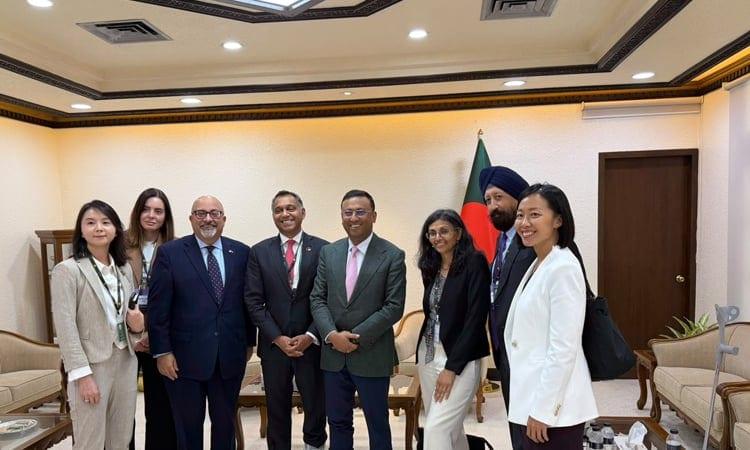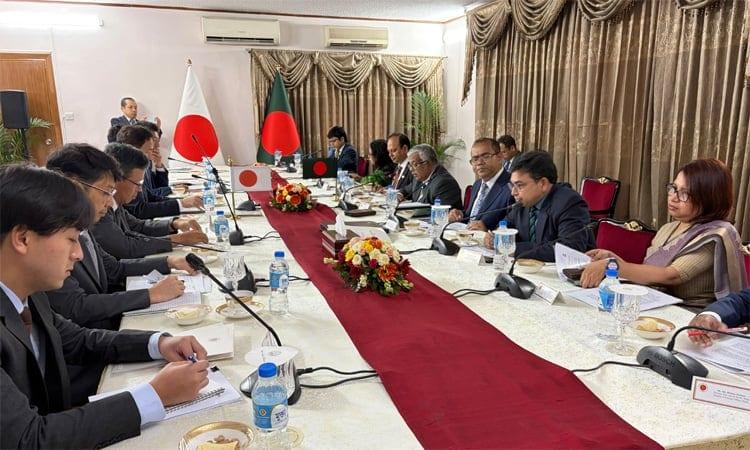
Pakistan has expressed a strong interest in expanding bilateral trade with Bangladesh by increasing exports of agricultural commodities and enhancing cooperation in the jute sector. This interest was conveyed by Asim Azim Siddiqui, Chairman of the Trading Corporation of Pakistan (TCP), during a meeting with Commerce, Industries and Textiles & Jute Minister Khandakar Abdul Muktadir at the Ministry of Industries. Siddiqui highlighted Pakistan's intent to export rice, lentils, chickpeas, fertilizer, and edible oil to Bangladesh, while also seeking to increase imports of high-quality Bangladeshi jute and jute products to meet growing demand in the Pakistani market.
Government Support and Reforms
Minister Muktadir welcomed the initiative, emphasizing that stronger trade relations would contribute to the sustainable economic development of both countries. He noted that the government is undertaking necessary reforms to facilitate trade, promote industrialization, and create a more business-friendly environment. These reforms aim to streamline processes and reduce barriers to trade, making it easier for both nations to engage in mutually beneficial economic activities.
Memorandum of Understanding (MoU)
A significant outcome of the talks was the announcement that a Memorandum of Understanding (MoU) between the Trading Corporation of Bangladesh (TCB) and the Trading Corporation of Pakistan (TCP) has reached its final stage and is expected to be signed in the first week of July. This agreement will facilitate government-to-government food trade, ensuring a steady supply of essential commodities between the two nations.
Joint Working Group and Business Delegations
Both sides agreed to reactivate the Bangladesh-Pakistan Joint Working Group, exchange business delegations, and strengthen cooperation in the agricultural and industrial sectors. This collaborative approach is expected to open new avenues for investment, trade, and industrial collaboration, fostering a deeper economic partnership between the two countries.
Sourcing Mechanism for Essential Commodities
The Pakistani delegation also proposed a mechanism for sourcing essential commodities from international markets at competitive prices whenever direct exports are not feasible. This proposal aligns with Bangladesh's existing policies and legal framework, ensuring that both countries can access necessary goods efficiently and cost-effectively.