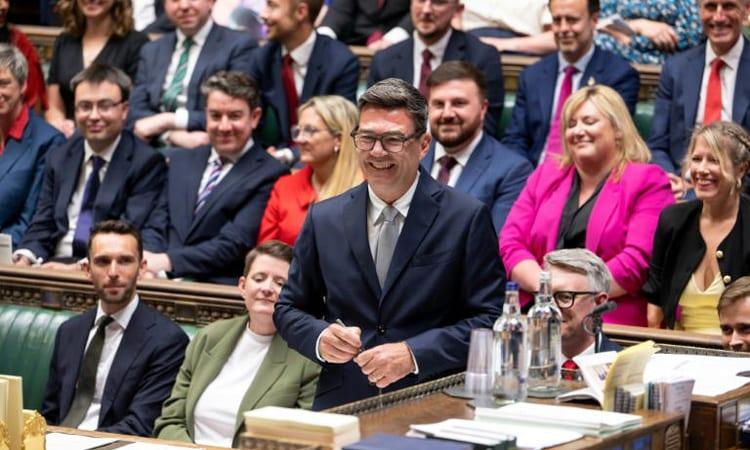
Andy Burnham, the frontrunner to become Britain's next prime minister, plans to lay out his economic agenda on Monday. This will be his first major policy announcement since Keir Starmer resigned last week. Burnham, currently the only candidate to replace Starmer, could become prime minister as early as mid-July if unchallenged.
Devolution and Local Empowerment
Burnham's economic policy is expected to focus on devolution, or empowering local authorities to make decisions on various issues such as transport and housing. His press office stated that the speech's central proposal is the biggest transfer of power out of Whitehall in modern times, with decision-making pushed to regions and local communities.
He will propose the creation of a 'No. 10 North' to coordinate this devolution, aiming to replace a centralized, top-down model with locally driven economic growth. Lucy Powell, Labour Party's deputy leader and a Burnham ally, told the BBC that Andy wants to see communities across Britain able to seize their own agenda.
Business-Friendly Socialism
Burnham, a pro-business socialist, has coined the phrase 'Manchesterism' to describe his approach, which he defines as business-friendly socialism. He has criticized trickle-down economics and neo-liberalism, advocating for greater 'public control' over services like transport, water, and energy.
During his campaign, Burnham positioned himself as a champion for small businesses and proposed cutting business rates for pubs and music venues. He has also sought to calm markets by committing to the government's current borrowing limits.
Speculation and International Reaction
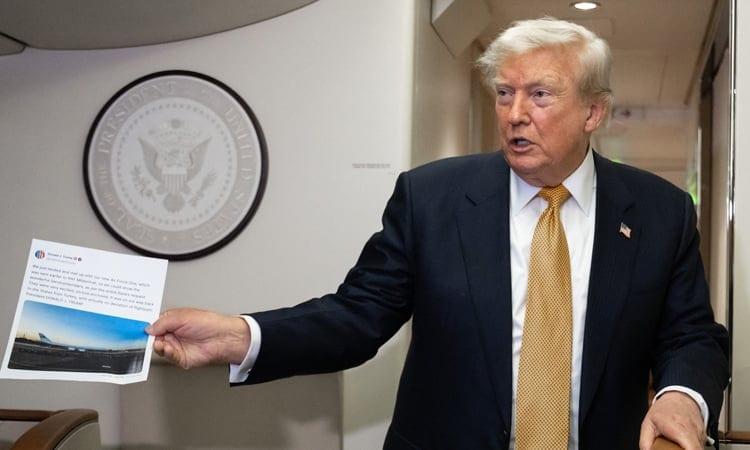
Since Starmer's resignation, there has been widespread speculation about who Burnham will appoint as his finance minister, which could influence the left-wing and pro-nationalism stance of his government. US President Donald Trump has commented on Burnham, calling him an 'extremely liberal' politician who likely 'won't open up' the North Sea to oil and gas drilling.