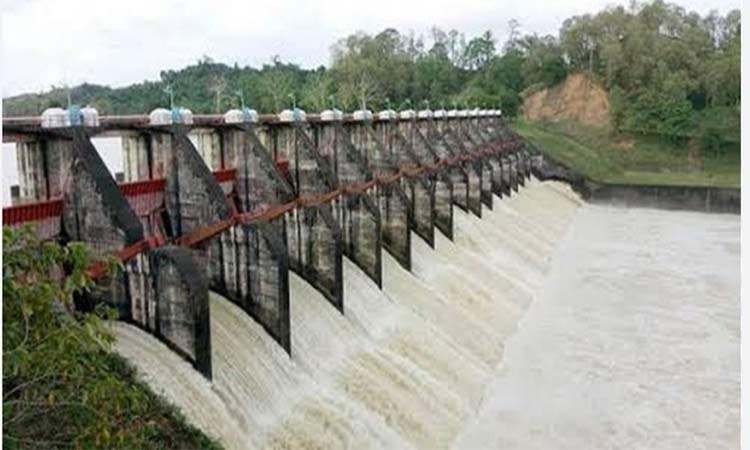
The Karnaphuli Hydroelectric Power Station has increased its electricity generation to 206 megawatts (MW) as the water level in Kaptai Lake rose due to incessant rainfall and runoff from upstream hilly areas. The water level of Kaptai Lake, which had remained below 100 feet Mean Sea Level (MSL) until Sunday, crossed the 100 feet mark this morning, leading to a significant increase in power generation from the plant's five units.
Increased Water Levels Boost Generation
Engineer Mahmud Hasan, Manager of the Karnaphuli Hydroelectric Power Station, told BSS that the lake's water level stood at 100.60 feet MSL at 9 am today, compared to 99.15 feet MSL at the same time on Sunday. The plant's five generating units produced a total of 206 MW of electricity by 9 am today, marking the highest generation level recorded so far this year.
Unit Performance and Capacity
An engineer at the plant's control room explained that Units 1, 3, 4, and 5 are each generating 40 MW, contributing a combined 160 MW, while Unit 2 is producing 46 MW. The hydropower station has a total installed generation capacity of 240 MW.
Impact of Rainfall and Runoff
Higher water inflows into Kaptai Lake, triggered by heavy rainfall and hill runoff over the past several days, have boosted power generation at the hydropower plant. Officials said all five units could not be operated simultaneously over the past three months due to inadequate water levels in the lake.
Future Projections and Significance
The power generation is expected to increase further if rainfall continues and the lake's water level rises further. Established in 1960, the Karnaphuli Hydroelectric Power Station depends entirely on water stored in Kaptai Lake. Under favourable conditions, the station can generate between 230 MW and 242 MW of electricity when all five units operate simultaneously.
Why This Matters
The increase in hydroelectric power generation is significant for Bangladesh as it helps meet the growing energy demands and reduces reliance on thermal power plants. Hydroelectric power is a renewable and clean energy source, making it an essential component of the country's energy mix. The enhanced generation capacity also contributes to grid stability and supports the national goal of achieving energy security.