In a significant move to bolster aviation security, the Bangladeshi government has decided to install Anti-Drone Systems at the country's airports. This decision aims to prevent unauthorized drone operations, addressing rising concerns about potential risks to aircraft operations and passenger safety.
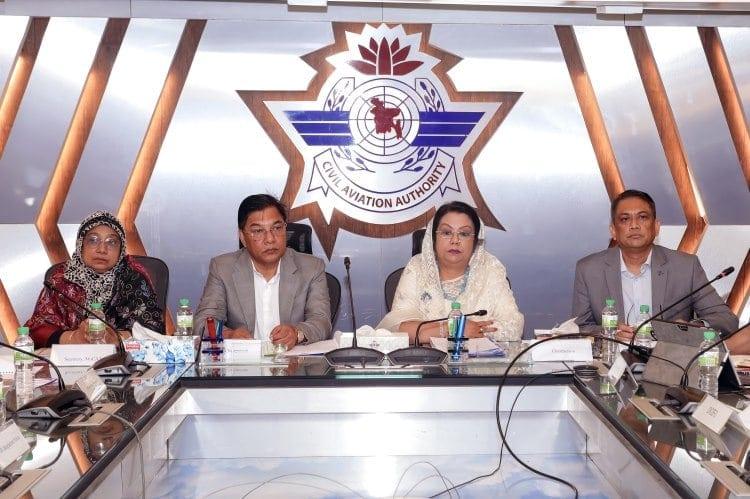
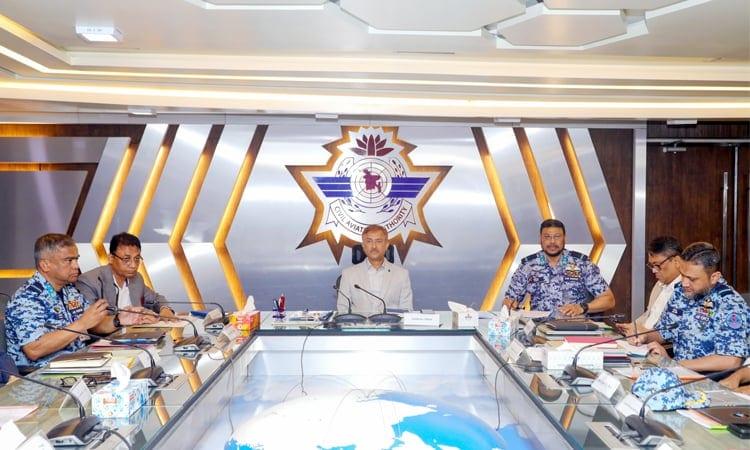
State Minister for Civil Aviation and Tourism M. Rashiduzzaman Millat revealed this initiative during the first meeting of the National Civil Aviation Security Committee. The installation of these systems is expected to help in preventing illegal drone flights around airport areas, which could interfere with aircraft during take-off and landing.
What are Anti-Drone Systems and how will they work?
Anti-Drone Systems are technology-based measures designed to detect, track, and potentially neutralize unauthorized drones in sensitive areas, particularly around airports. These systems utilize various technologies such as radar, radio frequency detectors, and visual identification to monitor and intercept drones that pose a risk to aviation security.
Why is the government taking this step now?
The decision to install Anti-Drone Systems comes as a response to repeated incidents of unauthorized drone activity near airports, which have raised significant safety concerns. The government aims to enhance airport security and comply with international standards to protect aircraft operations and passenger safety.
What are the potential risks posed by unauthorized drones?
Unauthorized drones can pose serious risks to aviation safety by interfering with aircraft during critical phases such as take-off and landing. They can disrupt airport operations, create security vulnerabilities, and potentially cause collisions with aircraft, leading to accidents and injuries.
What measures are being taken to enforce drone regulations?
The Civil Aviation Authority of Bangladesh (CAAB) has adopted a tougher stance against illegal drone flights. The authority is tightening enforcement and urging drone operators to comply with existing regulations, particularly in restricted zones around airports. CAAB has also called for the maintenance of adequate security equipment, including scanners, to ensure uninterrupted security operations.