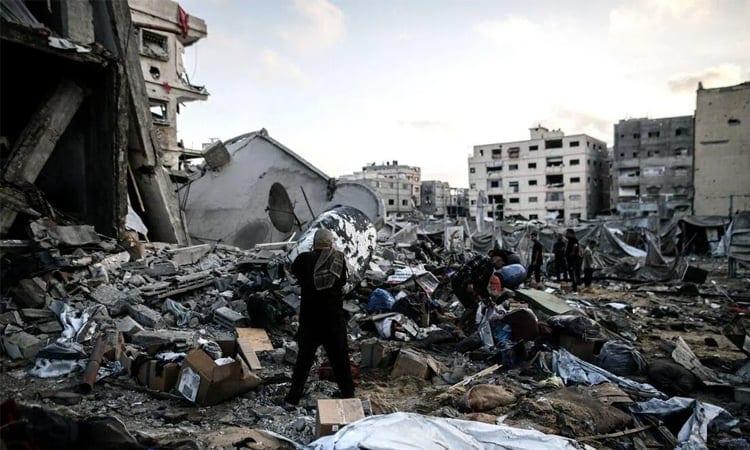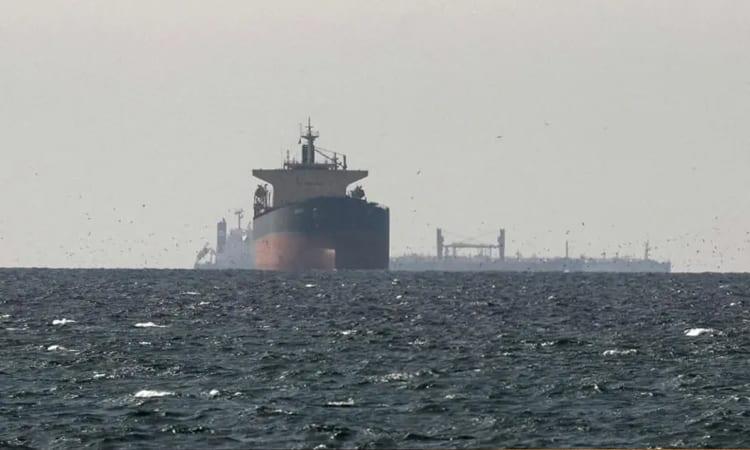
US forces struck Iranian missile and drone storage sites and coastal radar positions on Friday in response to what Washington described as an unwarranted aggression against commercial shipping by Iranian forces. The US Central Command stated that the strikes were a direct response to an attack on a commercial ship transiting the Strait of Hormuz, which they claim violated the ceasefire. Iranian state television reported an explosion at Taherouyeh pier in the southern port city of Sirik, attributing it to a projectile impact.
Background of the Incident
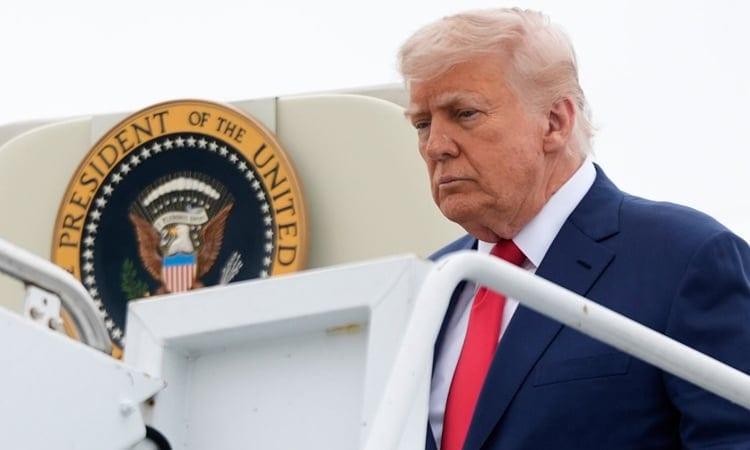
US President Donald Trump condemned the attack, labeling it a foolish violation of the ceasefire agreement. This incident has raised concerns about the ongoing efforts to keep the Strait of Hormuz open for shipping while negotiations between Washington and Tehran continue. Iran has previously warned vessels not to enter or leave the Gulf through the Strait of Hormuz without permission, though many ships have continued to use an unauthorized southern route along the coast of Oman.
Impact on Maritime Traffic and Oil Prices
The UN maritime agency reported that an evacuation operation had freed 115 vessels and 2,500 seafarers trapped by the dispute before the attack forced its suspension. Despite the latest flare-up, oil prices fell sharply, reflecting hopes that traffic through the strategic strait, which normally sees around a fifth of the world's oil and gas exports, would continue to recover.
Regional Peace Efforts
In a separate development, Israel and Lebanon, alongside the United States, signed an agreement aimed at paving the way towards peace. US Secretary of State Marco Rubio described the trilateral accord as the beginning of a framework for lasting peace and security. Israeli Prime Minister Benjamin Netanyahu welcomed the agreement, viewing it as a victory against Iran, while Hezbollah warned that the deal would thwart broader conflict resolution efforts.
Nuclear Safeguards and Future Settlements
The chief of the UN nuclear watchdog, Rafael Grossi, emphasized the need for strong safeguards in any final US-Iran settlement to ensure Tehran does not develop nuclear weapons. Iran's nuclear program remains a central issue in the talks, with conflicting accounts from Tehran and Washington regarding UN inspectors' access to Iranian facilities.