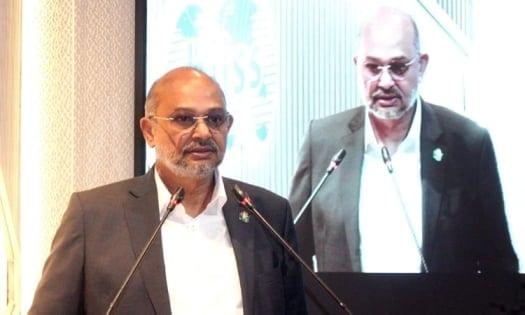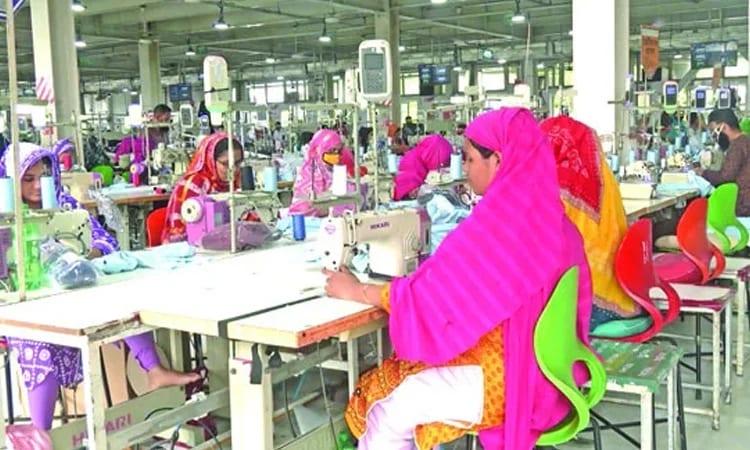
Bangladesh has the potential to capture 12 percent of the projected US$375 billion global man-made fibre (MMF) apparel market by 2030 through policy reforms, investment promotion and industrial upgrading, Bangladesh Foreign Trade Institute (BFTI) Chief Executive Officer (Additional Charge) Dr Saif Uddin Ahammad said. The global apparel industry is rapidly shifting from cotton-based products to man-made fibre garments, creating significant opportunities for Bangladesh to diversify its export basket and strengthen its position in the international market.
FAQ
Why is capturing the MMF market important for Bangladesh?
Dr Ahammad stated that capturing a meaningful share of the global MMF market is essential for sustaining export growth, strengthening competitiveness and securing the future of the country's apparel industry. As the world's second-largest apparel exporter, Bangladesh's export basket remains heavily dependent on cotton products, while global demand is increasingly shifting towards synthetic and blended fibre garments.
What steps is the government taking to achieve this goal?
The government has identified tariff rationalisation on MMF raw materials, faster approval of foreign direct investment (FDI), expansion of domestic polyester staple fibre and synthetic yarn production, access to affordable financing and development of a skilled workforce as key priorities to accelerate the sector's growth.
What challenges does Bangladesh face in this transition?
Dr Ahammad stressed that stronger policy support and coordinated implementation would enable Bangladesh to compete more effectively with leading MMF-producing countries. He also emphasised the need to extend bonded warehouse facilities, introduce dedicated credit schemes for MMF manufacturers, encourage technology transfer and promote higher-value products such as activewear, sportswear and technical textiles to diversify the country's export basket.
What is the expected outcome of these efforts?
Expressing optimism, Dr Ahammad said timely implementation of the government's roadmap and close collaboration between the public and private sectors would position Bangladesh as a major global supplier of man-made fibre apparel in the coming decade.