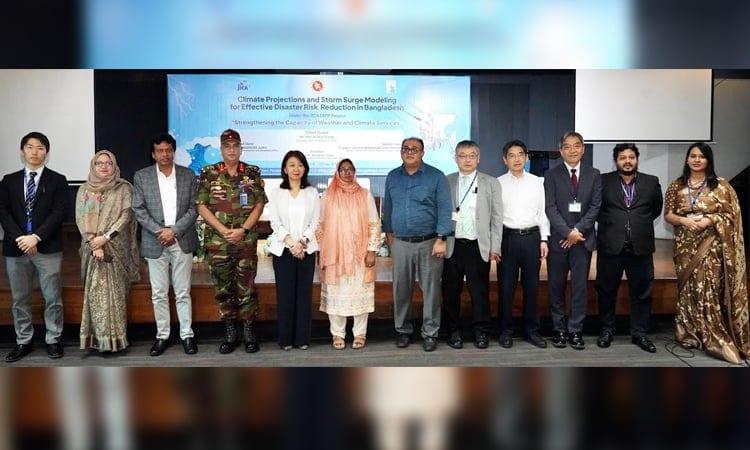
The Bangladesh Meteorological Department (BMD) has launched high-resolution climate projection data and an advanced storm surge forecasting model to improve the nation's disaster preparedness and public safety. This initiative aims to strengthen the country's capacity to tackle climate change-induced disasters. The announcement was made at a national seminar titled "Climate Projection and Storm Surge Modelling for Effective Disaster Risk Reduction in Bangladesh".
Enhanced Climate Projections
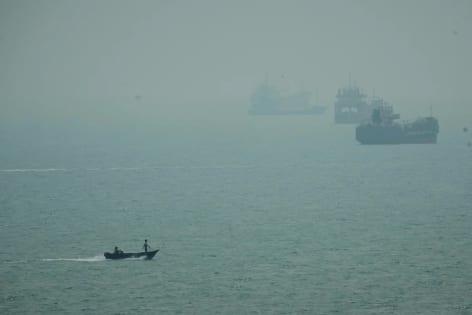
The new climate projections indicate that Bangladesh's northeastern region may experience increased monsoon rainfall, raising the risk of flash floods due to more frequent extreme rainfall events. Additionally, heatwaves may continue with greater intensity even after the onset of the monsoon, while dense fog may increase during winter and the post-monsoon period.
Advanced Storm Surge Model
The advanced storm surge forecasting model is designed to provide more accurate advance information on surge height, possible inundation areas, and surge patterns. This model will enhance daily forecasts of sea wave heights and is already operational, with forecasts being published on the BMD's official website. The initiative aligns with the World Meteorological Organization's (WMO) "Early Warnings for All (EW4All)" global programme.
The climate projection data and forecasting tools were developed under the JICA-funded Technical Assistance Project (TAPP) titled "Strengthening the Capacity of Weather and Climate Services." A series of capacity-building training programmes were conducted in July, with scientists from the Meteorological Research Institute (MRI) of the Japan Meteorological Agency (JMA) providing scientific and technical training to BMD officials.