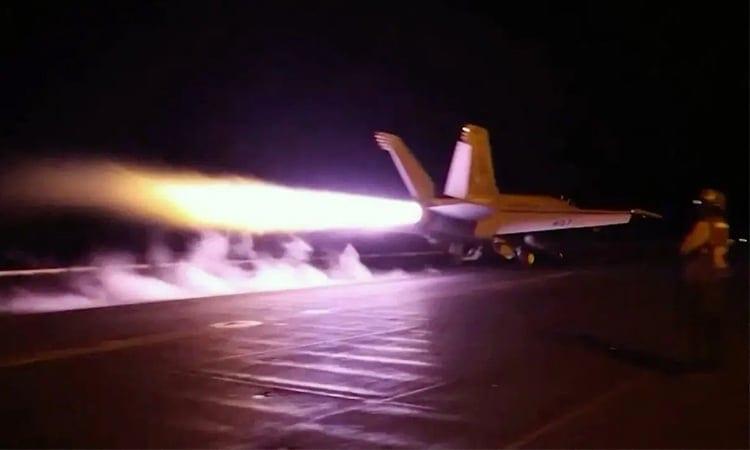
The US military struck Iran's Larak Island in the Strait of Hormuz, following President Donald Trump's warning that the war is far from over. The conflict, which has cost Washington $37.5 billion, shows no signs of abating as November legislative elections approach. The fighting over the strategic strait has led to the collapse of a preliminary deal between the United States and Iran.
Diplomatic Efforts Continue
Despite the escalating hostilities, top US diplomat Marco Rubio reiterated Washington's willingness to find a negotiated agreement with Tehran. 'We remain open to working it out in a negotiated way. But right now, they don't seem to be serious about that,' Rubio said at a Southeast Asia ministers' meeting in Manila. Iranian foreign ministry spokesman Esmaeil Baqaei confirmed that diplomatic exchanges with Washington through mediators were ongoing.
Rising Costs and Regional Tensions
The war, now nearing the five-month mark, has seen the US military repeatedly target Iran's islands in the Gulf and the strait. Pentagon chief Pete Hegseth defended a request for additional funding, citing the $37.5 billion cost of the conflict. Trump has resisted political pressure to end the war, stating, 'We're not finished at all... we're not leaving right now.'
Iran has threatened reprisals, particularly if the US targets the underground complex known as Pickaxe Mountain, suspected to be an undeclared enrichment facility. The Iranian military has also targeted US assets in Kuwait, Bahrain, and Jordan, while Tehran's Houthi allies in Yemen have threatened to blockade Saudi ports, causing global oil prices to surge. The situation remains volatile, with significant implications for regional and global stability.