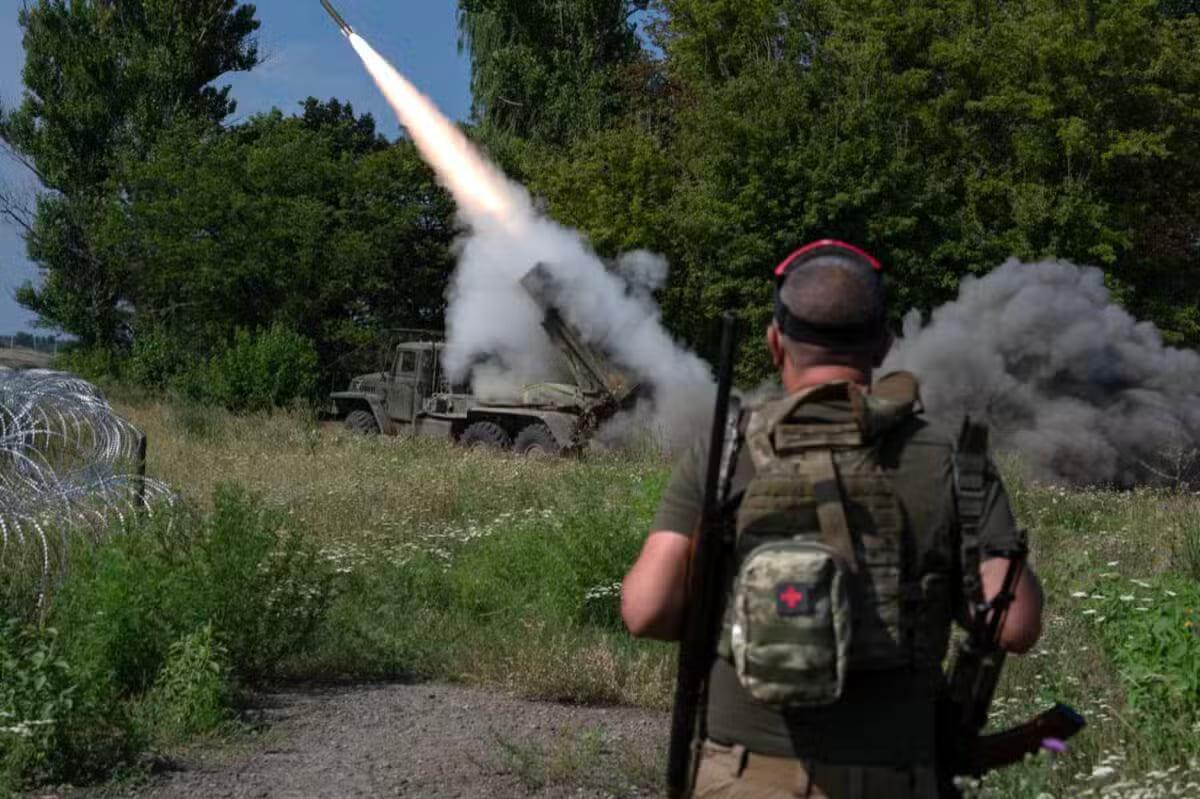
The United States has conducted strikes on Iran, leading to heightened tensions in the Middle East. Tehran has accused US forces of targeting civilian sites and has threatened reprisals against regional infrastructure. The conflict, centered around the strategic Strait of Hormuz, has seen both sides exchange fire for six consecutive days.
The US military reported hitting "dozens of Iranian military targets" in response to attacks on commercial shipping. This comes after a preliminary deal with Tehran fell apart. Early on Friday, Iran announced attacks on an airport, a railway station, and two bridges, resulting in seven fatalities.
Iranian state TV quoted a senior armed forces spokesperson as saying, "If the Americans strike the infrastructure of the Islamic Republic, then all infrastructure across the region will become legitimate targets for Iran." The renewed fighting follows the breakdown of a preliminary deal signed a month ago aimed at ending the conflict, which began in late February with US-Israeli strikes on Iran.
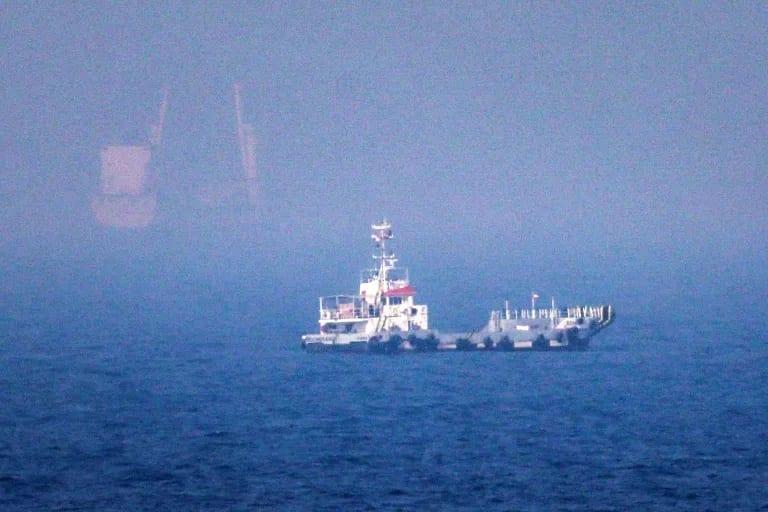
Tehran claims control over the Strait of Hormuz, a vital shipping route for global oil supply, despite it being open to free passage before the war. The Islamic republic responded to the US attacks on its infrastructure with strikes on US allies in the Gulf. Qatar and Kuwait reported missile attacks, while Bahrain faced strikes on a US air base.
The US has reimposed its blockade of Iran's ports, and Pakistan's foreign office continues to encourage all sides to end violence and resume talks. However, Iran's top negotiator has warned that a deal "only has meaning when its clauses are valid and being implemented." The White House remains open to diplomacy but has held Iran accountable for its actions.