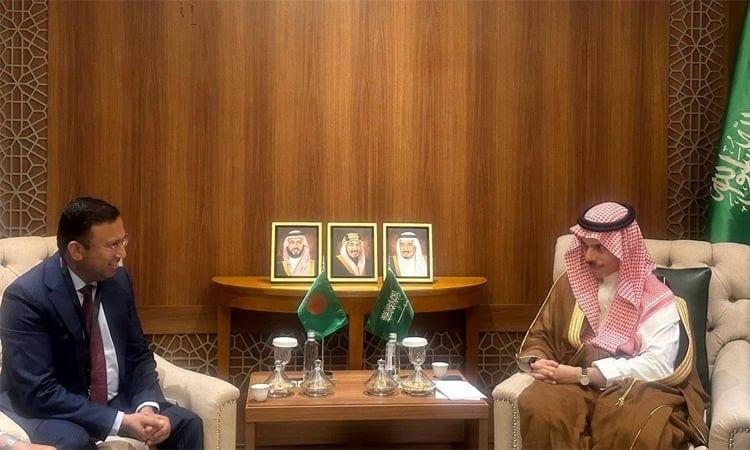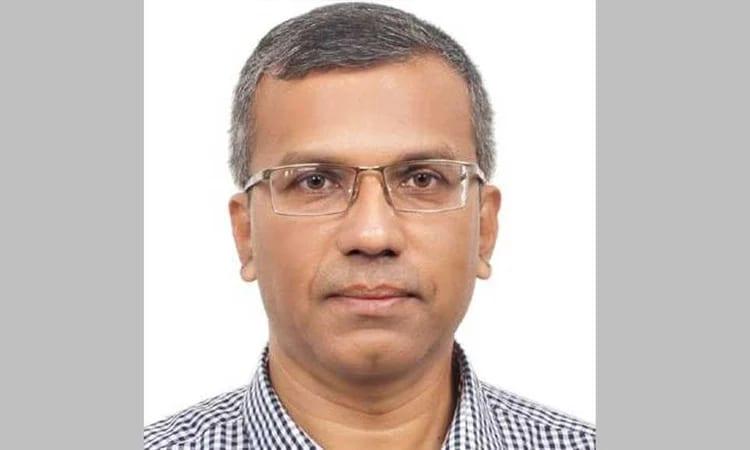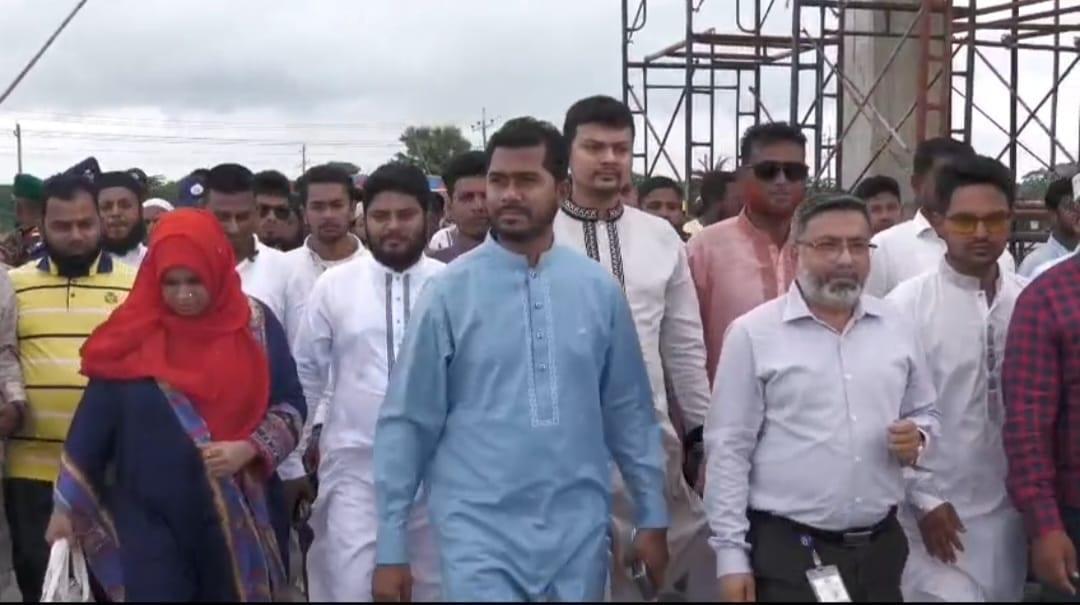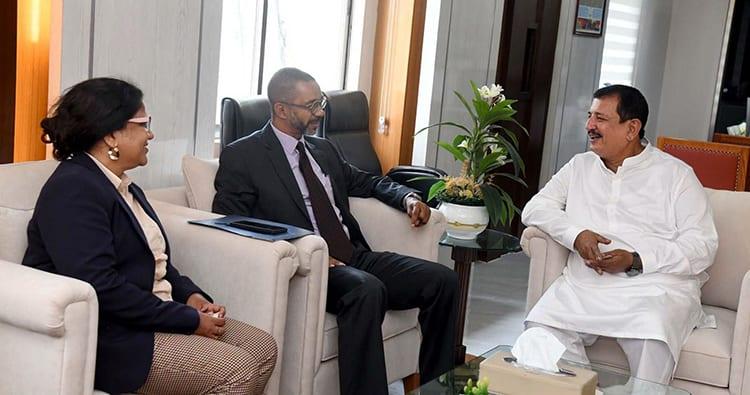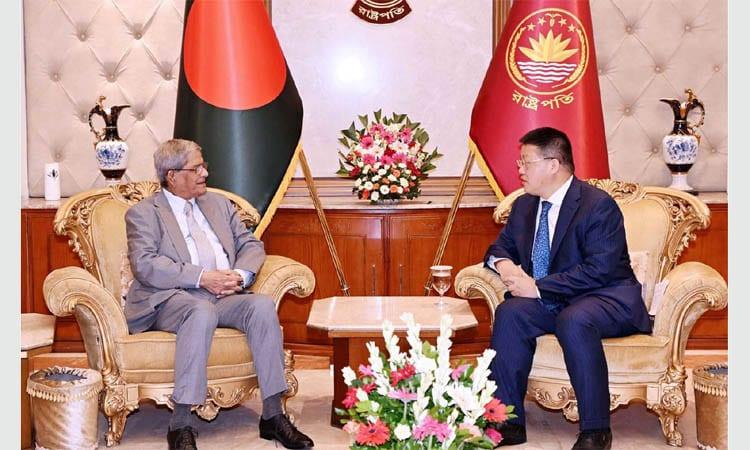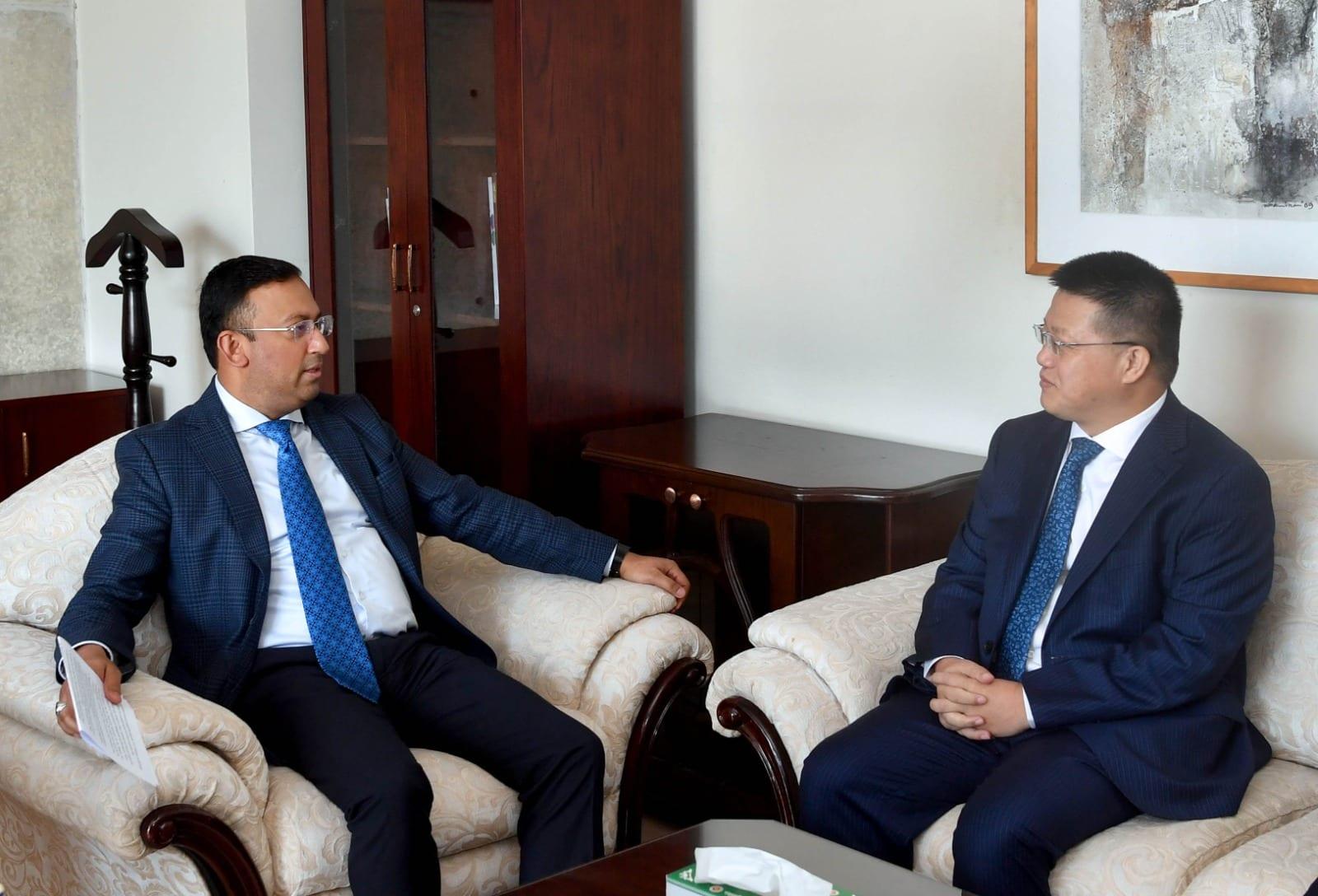
The European Union (EU) and the Group of 77 and China (G77) have reaffirmed their support for Bangladesh's efforts to ensure a smooth, sustainable and irreversible graduation from the Least Developed Country (LDC) category. The assurances came during separate meetings held at the United Nations Headquarters in New York between Commerce Minister Khandakar Abdul Muktadir and Head of the European Union Delegation to the UN Ambassador Stavros Lambrinidis, and Chair of the Group of 77 and China and Permanent Representative of Uruguay to the UN Ambassador Laura Dupuy Lasserre. The commerce minister was accompanied by several high-ranking officials and industry representatives. During the meetings, the minister explained the rationale behind Bangladesh's request for a three-year extension of the LDC graduation preparatory period, citing the country's ongoing economic and political transition, global economic uncertainties, energy challenges and the need to consolidate wide-ranging structural reforms. He reiterated the government's commitment to strengthening governance, improving the financial sector, expanding infrastructure, enhancing domestic resource mobilisation and creating a more investment-friendly business environment. The minister said the additional time would help consolidate reforms, address infrastructure constraints, strengthen industrial competitiveness and ensure that Bangladesh's graduation remains smooth, sustainable and irreversible. Ambassador Lambrinidis praised the government's commitment to good governance and sustainable development, welcomed the launch of discussions on a Bangladesh-EU Free Trade Agreement (FTA), and reaffirmed the EU's continued support for Bangladesh's LDC graduation. He also stressed the importance of stronger public-private cooperation to facilitate the transition. Ambassador Lasserre acknowledged the strength of Bangladesh's case for an extension, welcomed the government's pragmatic reform agenda and reaffirmed the G77's support. She also proposed a dedicated briefing for G77 member states on Bangladesh's graduation strategy, which was welcomed by the Bangladesh delegation. Following the meetings, ERD Secretary Md. Shahriar Kader Siddiky described the discussions with the EU delegation as highly productive, saying the bloc had reaffirmed its continued support for Bangladesh's smooth, sustainable and irreversible graduation from the LDC category.
Background on LDC Graduation
Graduation from the Least Developed Country (LDC) category is a significant milestone for any nation, signifying substantial progress in economic development, governance, and human development indicators. However, the process also poses challenges, as countries must adapt to new economic realities and maintain momentum in their development efforts. Bangladesh, one of the world's most populous and fastest-growing economies, has been on the path to LDC graduation for several years. The country's graduation is expected to bring both opportunities and challenges, as it seeks to integrate more fully into the global economy while maintaining its development gains.
Why This Matters for Bangladesh
Bangladesh's graduation from the LDC category is a critical step in its development journey. It will allow the country to access new markets, attract foreign investment, and enhance its global standing. However, the transition also requires careful planning and execution to ensure that the benefits are widely shared and that the country's development gains are sustained. The support from the EU and G77 is therefore crucial, as it provides both political and technical backing for Bangladesh's efforts to navigate this complex process.