A record-breaking heat wave has scorched the central United States, shattering temperature records from the northern plains to the Rocky Mountains region. In Salt Lake City, Utah, and Billings, Montana, temperatures peaked at 109F (43C), marking all-time highs since record-keeping began over 150 years ago. These temperatures surpassed previous records of 107F and 108F (42C), respectively.
Impact on Wildfires
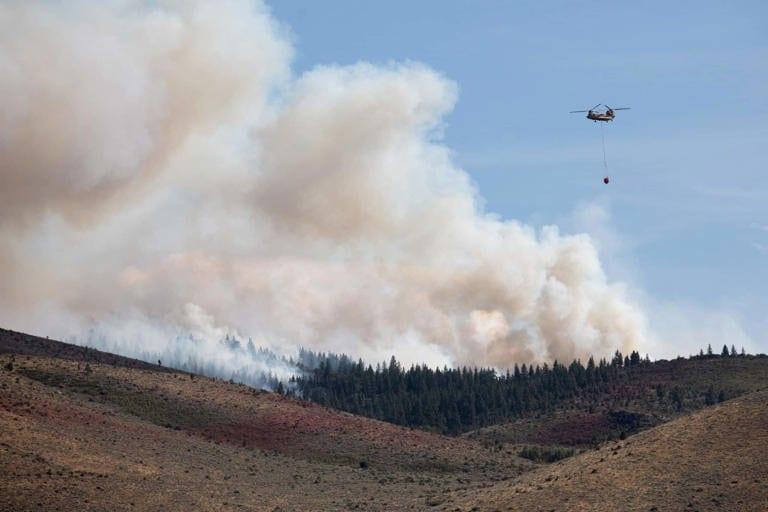
The extreme heat has complicated efforts to combat massive wildfires in Colorado and Utah. High temperatures are expected to persist through Tuesday, further straining firefighting resources and increasing the risk of new fires.
Recent Heat Waves
Just over a week ago, the eastern United States experienced its own heat wave, with temperatures reaching around 104F in New York and Philadelphia. These events underscore a growing trend of more frequent and intense heat waves globally.
Climate Change Connection
Around the world, heat waves are becoming more common and severe due to climate change, primarily driven by the burning of fossil fuels and the emission of greenhouse gases. Western Europe recently experienced its hottest June on record, resulting in over 1,300 deaths, according to the World Health Organization.
Why This Matters for Bangladesh
The increasing frequency and intensity of heat waves have significant implications for Bangladesh. The country is particularly vulnerable to climate change impacts, including rising temperatures, sea-level rise, and extreme weather events. Understanding and preparing for these changes is crucial for the nation's resilience and future planning.