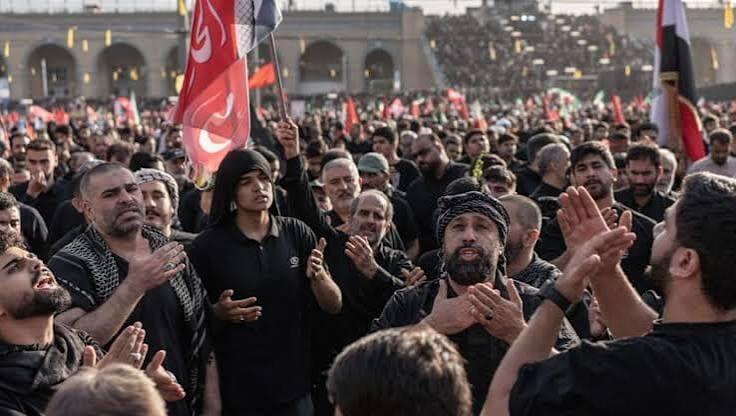
Vast crowds of Iranians loyal to the Islamic republic have massed in Tehran to begin almost a week of funeral ceremonies for slain supreme leader Ali Khamenei. Authorities aim to send a message of defiance to the West following the war with the United States and Israel. Clad in black and waving blood-red flags, mourners have thronged the Grand Mosalla religious complex in the Iranian capital.
A Nation in Mourning
Khamenei, who ruled Iran since 1989 and pursued a confrontational course with the West while suppressing dissent at home, was killed aged 86 along with several family members and top officials in an Israeli strike on February 28. The nation is now in a state of mourning, with significant security measures imposed and roads blocked for the event.
Public Display of Unity and Grief
Despite the immense grief, there is a show of unity among the mourners. Foreign dignitaries have paid their respects, and top Iranian officials who survived the war have welcomed them. The coffins of Khamenei and four other family members are displayed at the front on a dais, with chants of "death to America" and "revenge, revenge" echoing throughout the venue.
Uncertain Future Ahead
The killing of Khamenei after over three-and-a-half decades in power has created a new era in the Islamic republic, shadowed by uncertainty. His funeral is being viewed outside Iran as a test of support for the government, especially after the mass protests in January that were reportedly put down in a deadly crackdown.
Funeral Procession and Burial
The funeral ceremonies will see the coffin remain in Tehran for three days before moving to the clerical city of Qom, then to neighboring Iraq, and finally to Khamenei's northeastern home city of Mashhad for burial. He will be buried alongside his infant granddaughter, son-in-law, daughter, and Mojtaba Khamenei's wife Zahra Haddad Adel, who were all killed in the February 28 strikes.
Significance for Bangladesh
The funeral of Ali Khamenei holds significant implications for Bangladesh, given the historical and political ties between the two nations. The event underscores the volatile geopolitical landscape in the region and the potential for further instability. Bangladesh, which maintains diplomatic relations with both Iran and the United States, must navigate these complexities carefully to ensure its national interests are protected.