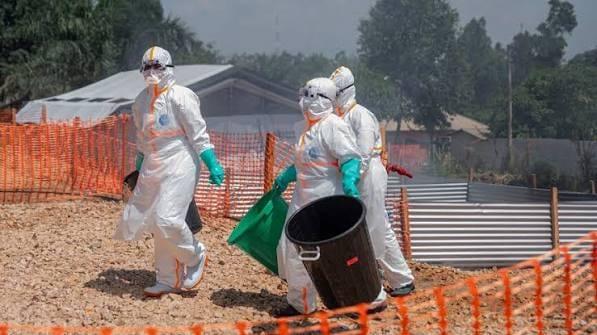
More than 500 people have died in the ongoing Ebola outbreak in the Democratic Republic of Congo (DRC), according to the latest figures from the World Health Organization (WHO). The outbreak, declared in mid-May, has seen 1,561 confirmed cases, including 506 deaths. Two additional deaths have been reported in neighboring Uganda.
Outbreak Details and Impact
The WHO reports that the DRC outbreak has a case fatality rate of 32 percent. A total of 254 patients have recovered, while 354 suspected cases are currently under investigation. The outbreak, driven by the rare Bundibugyo species of Ebola, is centered in Ituri province but has spread to four provinces.
Efforts to Combat the Outbreak
There are no approved vaccines or treatments for the Bundibugyo species of Ebola. However, trials for two potential treatments, the monoclonal antibody MBP134 and the antiviral drug remdesivir, began in the DRC on Thursday. These trials aim to evaluate the safety and effectiveness of these treatments.
Global Health Implications
The milestone of 500 confirmed deaths coincides with WHO member states reconvening to negotiate the missing section of the landmark pandemic agreement from last year. WHO chief Tedros Adhanom Ghebreyesus warned that "the next pandemic will not wait for us to be ready," highlighting the ongoing Ebola outbreak as a stark reminder of the persistent threat.
Background and Context
The DRC's 17th Ebola outbreak was declared on May 15 after several unexplained deaths in Ituri, a mineral-rich but volatile region plagued by armed groups. The virus spreads through close contact and infected bodily fluids. Notably, a doctor who tested positive for Ebola after flying from the DRC to France has since recovered and left the hospital.
Why This Matters
For Bangladesh, this outbreak underscores the importance of global health security and the need for robust pandemic preparedness. It highlights the interconnectedness of global health and the potential for diseases to cross borders, affecting even distant nations. Strengthening healthcare systems and international cooperation is crucial to mitigate such threats.