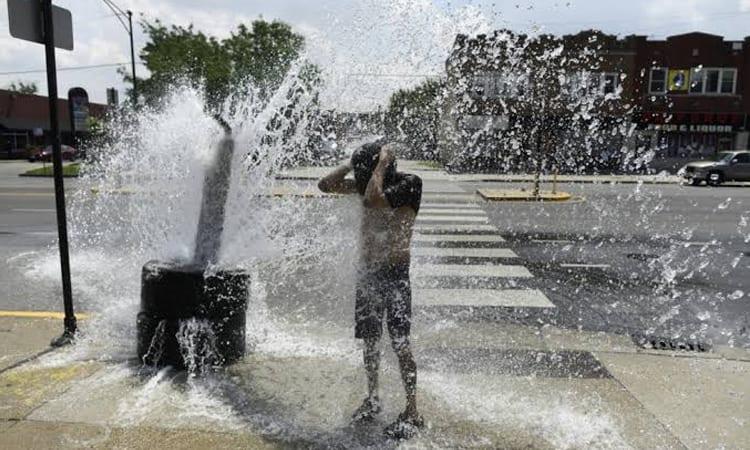
A dangerous heatwave has reached peak temperatures along the US east coast, straining power grids and impacting major events, including World Cup matches and America's 250th independence anniversary celebrations. With the heat index threatening to top 115F (46C), records could be broken in New York City, as extreme heat warnings blanket the northeast and mid-Atlantic regions.
Impact on Major Events
The extreme heat has posed significant challenges to major events. In New York, Mayor Zohran Mamdani urged residents to stay cool and vigilant, while the city has transformed hundreds of public buildings into cooling centers and extended the hours of swimming pools. Three World Cup matches were scheduled for Friday, including one in Miami where the heat index at kickoff was expected to hit 100F. FIFA has introduced a mandatory 'hydration break' in each half of every game at this World Cup.
Public Response and Safety Measures
Despite the extreme temperatures, many residents are determined to participate in celebrations. Hang Dang, a 76-year-old retiree, drove 12 hours from Florida to attend festivities in Washington for the 250th July Fourth anniversary. In response to the heatwave, Chicago utility company ComEd urged residents to raise their thermostats as high as is comfortably safe due to critical strain on the power grid.
Climate Change Connection
A study from the World Weather Attribution group of leading climate researchers said that the current extreme heat and humidity would have been 'virtually impossible' without climate change. The heatwave's duration, intensity, and high nighttime temperatures pose significant threats to vulnerable people and strain energy infrastructure.
Why This Matters for Bangladesh
The extreme heatwave in the US highlights the growing impact of climate change on global weather patterns. For Bangladesh, a country highly vulnerable to climate change, this serves as a stark reminder of the need for preparedness and adaptation strategies to cope with similar extreme weather events. The heatwave underscores the importance of international cooperation in addressing climate change and its effects on global communities.