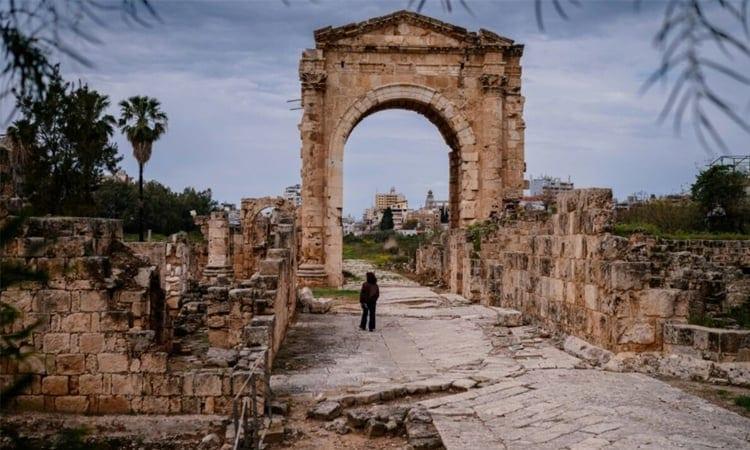
The ancient Phoenician city of Tyre in southern Lebanon, recently bombarded by Israel, has been added to UNESCO's list of world heritage sites in danger. The site, which has been directly hit and sustained damage, faces growing conservation concerns. UNESCO cited the Lebanese government's request for its inclusion on the list due to the escalating conflict between Israel and Hezbollah. Tyre, located 83 kilometers south of Beirut and near the Israeli border, was placed on the UNESCO heritage list in 1984 and contains significant Roman-era archaeological remains.
Historical Significance and Current Threats
Founded around 4,700 years ago, Tyre is one of the oldest cities in the Mediterranean, with a rich history spanning Phoenician, Persian, Hellenistic, Roman, Byzantine, and Ottoman periods. The city is home to two UNESCO World Heritage Sites: a Roman triumphal arch and a hippodrome dating from the second century. One of these sites suffered a direct hit from an Israeli strike in June.
Conflict and Conservation Challenges
The coastal city has become embroiled in the ongoing conflict between Israel and Hezbollah. Most of Tyre's inhabitants have fled after the Israeli army issued evacuation orders covering districts including some archaeological areas. Lebanese Minister of Culture, Ghassan Salame, accused Israel of failing to comply with the Hague Convention, which requires warring parties to protect cultural sites during armed conflict. Salame also criticized Israel for disregarding 'blue shields,' an internationally-recognized emblem designed to protect cultural sites.