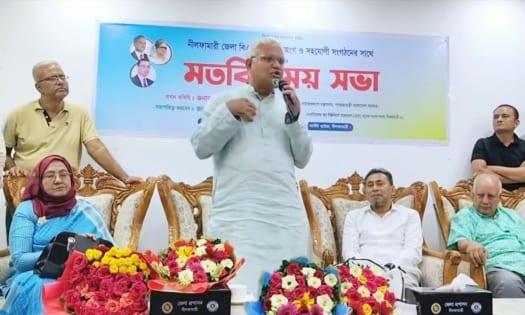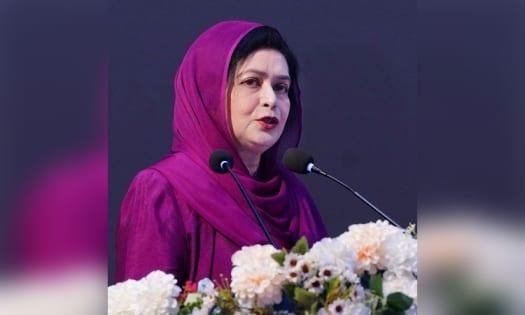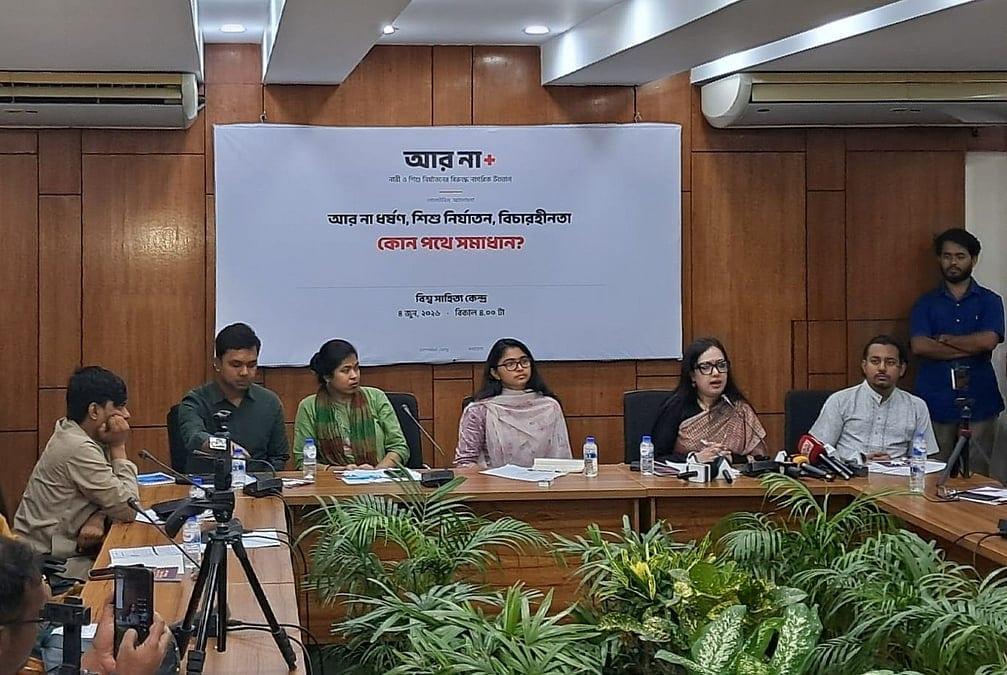
Independent MP Rumeen Farhana believes political action on rape and oppression cases is contingent on them becoming viral or highly publicized. She asserts that unless such incidents become viral on social media and generate widespread public discussion, political figures remain indifferent, and the cases do not move towards justice. Farhana made these remarks during a discussion titled 'No More Rape, Child Abuse, Impunity: What is the Solution?' organized by the 'Ar Na+' platform at the Bissho Sahitya Kendra in Dhaka.
Farhana criticized the selective attention given to certain high-profile cases, calling it 'cherry-picking.' She emphasized that as long as political parties attempt to politicize these incidents and make politically motivated decisions, true rule of law and justice will remain elusive. She cited the recent child rape and murder in Pallabi, Dhaka, as a 'classic example of politicization,' noting how it stirred political unrest despite similar incidents not receiving the same attention.
According to Farhana, statistics show at least 118 rape cases occurred in the past month, mostly involving child victims. However, only a few cases garner significant political attention. She pointed out that the Pallabi incident was heavily politicized, with political leaders visiting the victim's family and hospital. In contrast, other rape cases did not see the same political engagement.
Other speakers at the event echoed similar sentiments. Supreme Court lawyer Ayesha Aktar cautioned against rushing to judgment based on sentiment. Lawyer Manzur Al Motin stressed the need for media to give due importance to such issues rather than waiting for them to go viral. Doctor Tasnim Jara, a candidate in the 13th national election, called for a structured approach within the state to ensure all rape and oppression cases receive attention and justice.
Umama Fatema, former spokesperson for the Anti-Discrimination Student Movement, argued that legislative changes alone won't solve the problem; societal and political barriers must also be addressed. Nazifa Jannat from the Network for Peoples Action emphasized the need for responsible ministries to take action and for citizens to maintain pressure on authorities. Arif Sohel from the Gonobiplobi Uddyog platform called for a nationwide social movement against women's oppression, involving all sectors of society, including religious and social institutions.