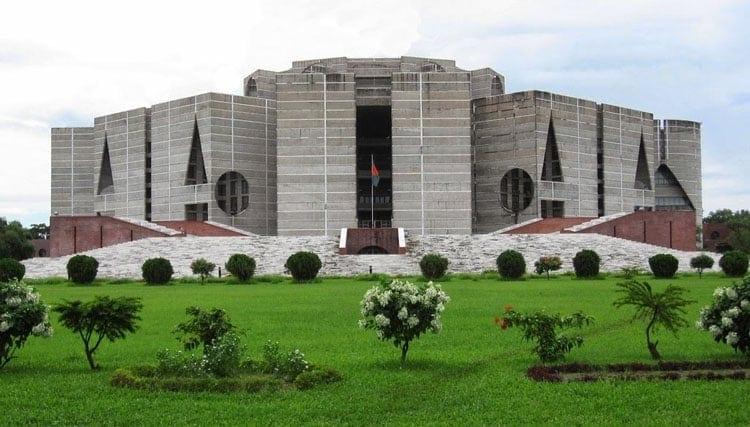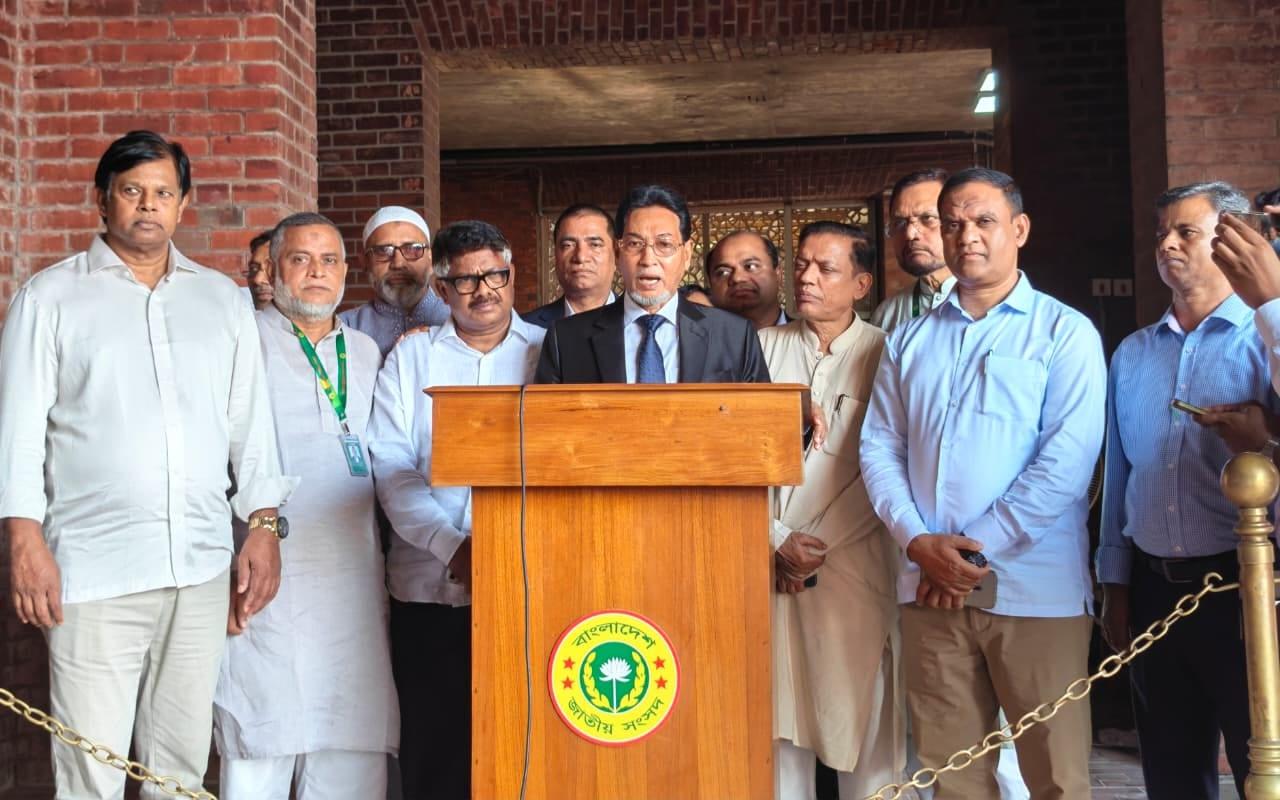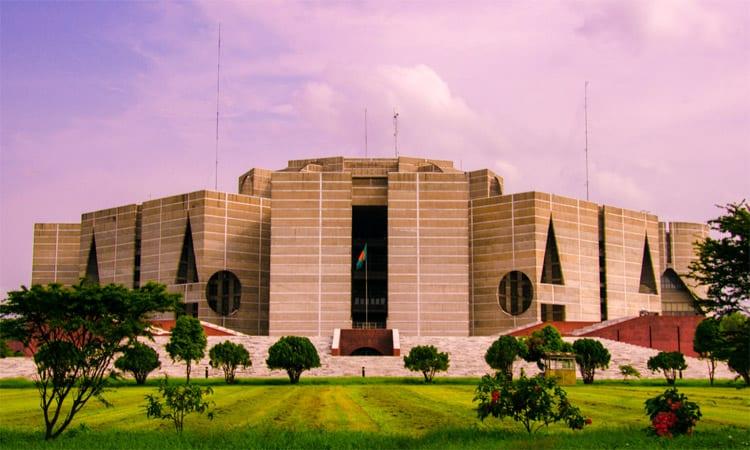
Six parliamentary standing committees were constituted today during the proceedings in the Jatiya Sangsad (JS). The committees were formed to oversee the Liberation War Affairs Ministry, Industries Ministry, Foreign Affairs Ministry, Commerce Ministry, Water Resources Ministry, and Home Affairs Ministry.
Committee Formation Process
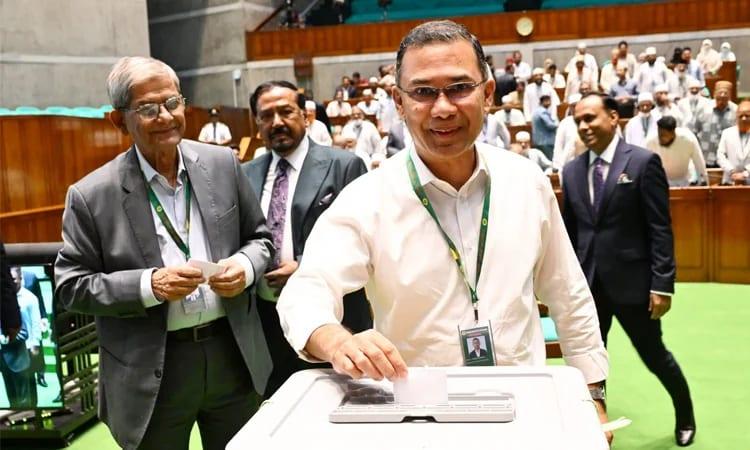
Chief Whip Md. Nurul Islam Moni, with the consent of Prime Minister and Leader of the House Tarique Rahman, proposed the formation of these committees. The proposals were passed by voice vote, with Deputy Speaker Barrister Kayser Kamal presiding over the session.
Committee Leadership
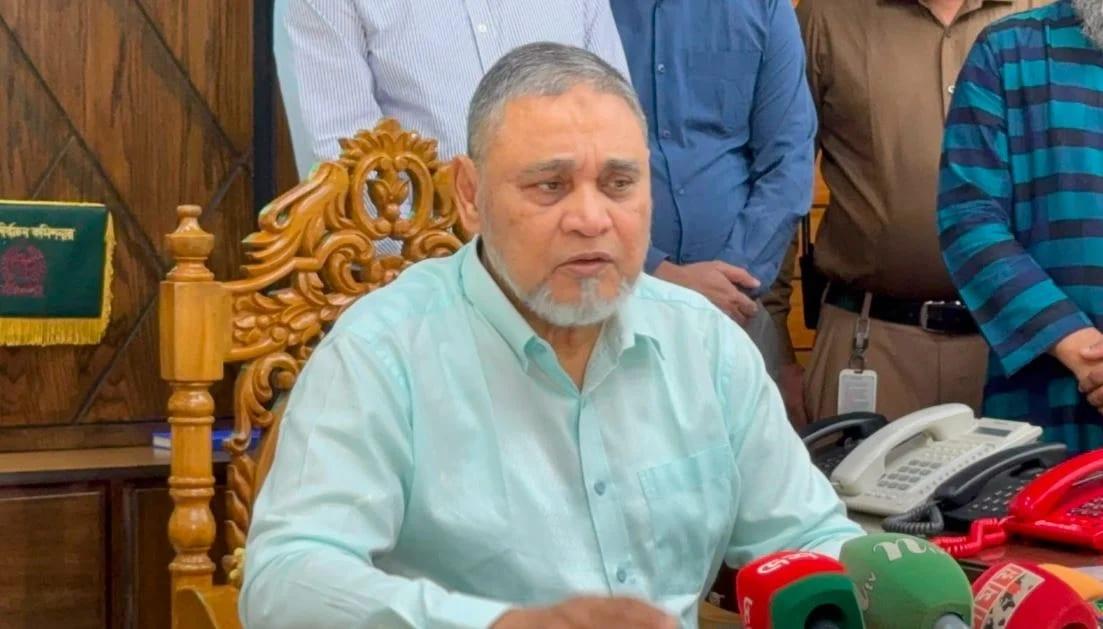
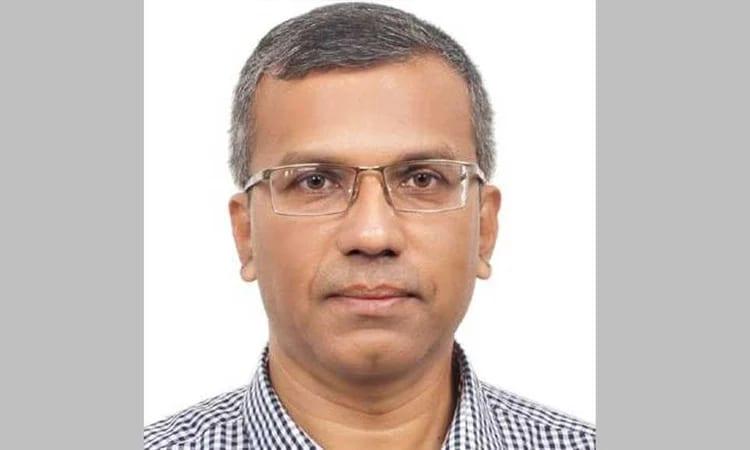
The parliamentary standing committee for the Liberation War Affairs Ministry will be led by BNP MP Md Manirul Haque Chowdhury, elected from Cumilla-6. The Industries Ministry committee will be chaired by BNP MP Md Abul Kalam, elected from Cumilla-9. The Foreign Affairs Ministry committee will be led by BNP MP Jahrat Adib Chowdhury, representing Woman Reserve Seat-27.
The Commerce Ministry committee will be chaired by BNP MP Md. Khaled Hossain Mahboob, elected from Brahmanbaria-3. The Water Resources Ministry committee will be led by BNP MP Mohammad Shofiqul Haque Milon, elected from Rajshahi-3. Lastly, the Home Affairs Ministry committee will be chaired by BNP MP Zainul Abedin, elected from Barishal-3.
Significance and Implications
The formation of these committees is a crucial step in ensuring effective oversight and governance of key ministries. These committees will play a vital role in scrutinizing the activities and policies of the respective ministries, ensuring transparency and accountability.
By having dedicated committees for each ministry, the parliament aims to enhance its legislative and oversight functions. This will enable more focused and detailed scrutiny of the ministries' performance, leading to better governance and policy-making.
What Happens Next
The newly formed committees will now begin their work by reviewing the current status and performance of their respective ministries. They will hold meetings, conduct hearings, and engage with stakeholders to gather information and insights.
The committees will also be responsible for reviewing and providing recommendations on proposed laws and policies related to their ministries. This will ensure that the legislative process is thorough and considers all relevant perspectives.